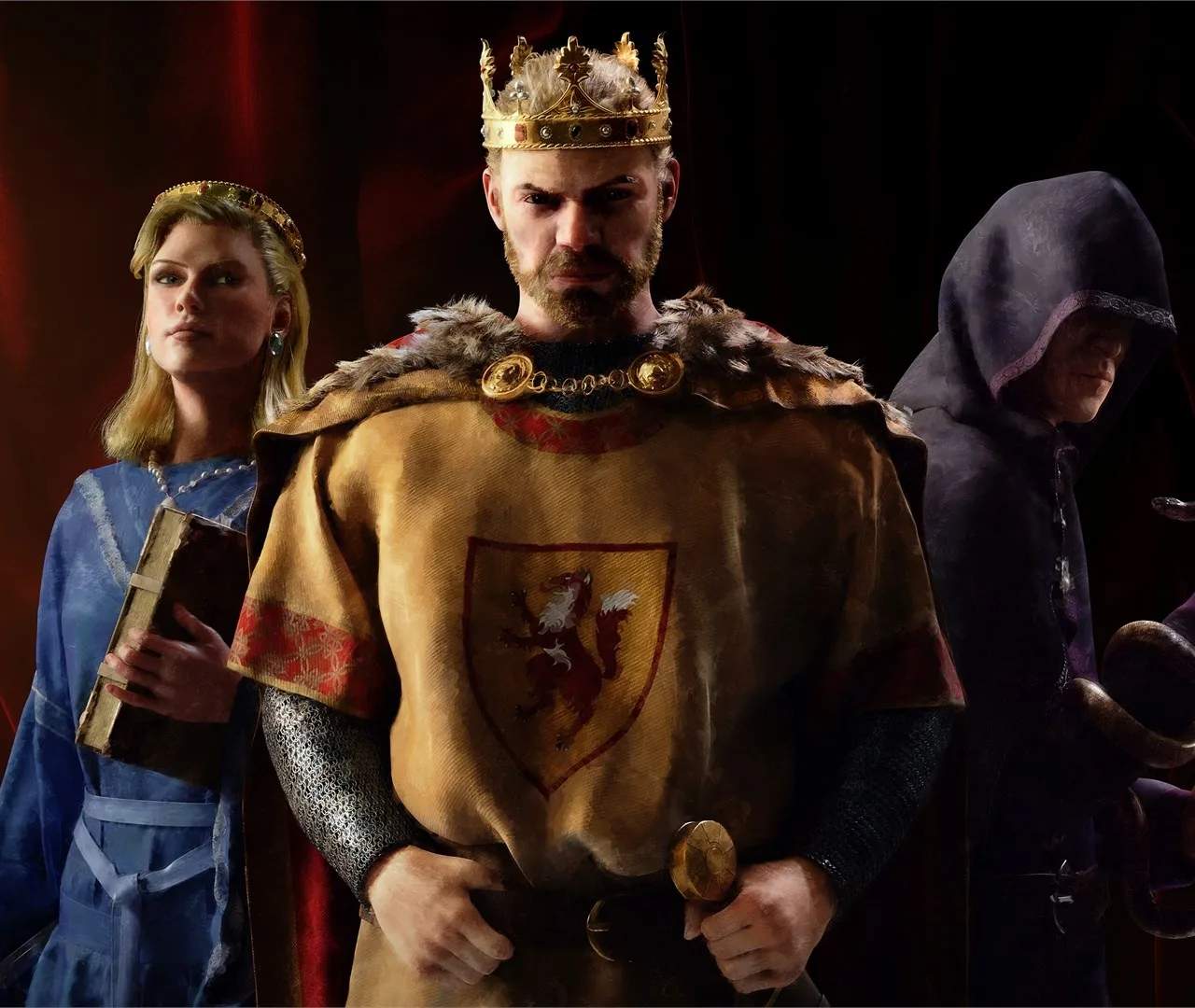
New Game Plus and Replayability
Crusader Kings III, by its very nature as a grand strategy RPG, doesn't feature a traditional "New Game Plus" mode in the same vein as many linear RPGs. Instead, its replayability stems from the vast array of starting conditions, character choices, and emergent narratives that unfold with each new campaign. The true "New Game Plus" experience in CK3 is about leveraging your accumulated knowledge and understanding of its intricate systems to achieve new and more challenging goals.
Embracing the Replay Loop
Every new game in Crusader Kings III is an opportunity to rewrite history. Unlike games with a fixed narrative, CK3's story is yours to craft. The replay loop is driven by:
- Different Starting Characters: Each character, from a lowly count to a powerful emperor, offers a unique set of challenges and opportunities.
- Varied Starting Locations: The geopolitical landscape shifts dramatically depending on your chosen region, influencing available alliances, enemies, and cultural interactions.
- Dynamic Event System: Random events, character interactions, and AI decisions ensure no two playthroughs are ever identical.
- Achievement Hunting: The game boasts a comprehensive list of achievements that encourage diverse playstyles and long-term goals.
Strategies for a "New Game Plus" Mindset
To truly experience CK3's replayability, approach each new campaign with a fresh perspective and specific objectives. Here are some actionable strategies:
1. The "Hard Mode" Start
Once you've mastered the basics, challenge yourself with difficult starts. These often involve:
- Small Holdings: Begin as a one-county count in a hostile region, such as a Catholic ruler surrounded by powerful Muslim neighbors in Iberia (e.g., the County of Barcelona in 1066).
- Unpopular Religions/Cultures: Play as a character with a minority faith or culture in a dominant foreign land, like a Norse Asatru count in Francia.
- Vassal Starts: Instead of an independent ruler, start as a powerful vassal with ambitions to usurp your liege's title. Focus on building a strong power base within the realm before making your move.
- Specific Historical Figures: Choose a character known for their historical struggles, such as William the Conqueror in 1066, and try to replicate or diverge from their historical path.
2. Achievement-Driven Playthroughs
The achievement list is a fantastic guide for exploring different facets of the game. Here are examples of how to approach them:
- "A. E. I. O. U." (Form the Archduchy of Austria): This requires a focused diplomatic and territorial expansion strategy within the Holy Roman Empire. Start as a character in the Duchy of Austria (e.g., Leopold II of Austria in 1066) and prioritize developing your domain and securing alliances.
- "Rise of the Ghilman" (Start as a Muslim ruler in 867 and have 50 powerful Ghilman in your court): This encourages a military-focused playstyle, emphasizing the recruitment and management of powerful commanders. Consider a start in the Abbasid Caliphate or an independent Emirate.
- "Mother of us All" (Unite Africa as a custom African faith): This is a long-term goal requiring significant religious reform, cultural assimilation, and military conquest. Start as a tribal ruler in West Africa (e.g., the Kingdom of Ghana in 867) and focus on developing your tribal organization and converting your neighbors.
- "What's in the Box?" (Open a treasure chest event): While seemingly simple, this achievement often requires specific character traits (e.g., high intrigue) or event chains to trigger.
3. Roleplaying and Narrative Focus
Forget optimal strategies and embrace the chaos. Choose a character and commit to their personality and traits, even if it leads to suboptimal decisions. For example:
- The "Lustful Schemer": Play a character with high intrigue and the 'Lustful' trait. Focus on seduction schemes, illegitimate children, and assassinating rivals to place your dynasty on multiple thrones.
- The "Devoted Crusader": Choose a zealous Catholic ruler and dedicate your entire reign to participating in and winning crusades, even if it means neglecting your home domain.
- The "Mad Genius": Play a character with high learning and the 'Lunatic' trait. Embrace strange decisions, pursue obscure knowledge, and see what bizarre events unfold.
4. Modded Experiences
The CK3 modding community is incredibly active, offering a true "New Game Plus" experience through content additions and overhauls. Popular mods include:
- Total Conversion Mods: These completely change the game's setting, such as "A Game of Thrones" (GoT) or "Elder Kings II" (Elder Scrolls universe). These offer entirely new maps, cultures, religions, and mechanics.
- Quality of Life Mods: Enhance the base game experience with improved UI, additional decision options, or more detailed character interactions.
- Historical Flavor Packs: Add more historical depth and events to specific regions or cultures, making playthroughs in those areas feel fresh.
Long-Term Goals and Dynasty Building
Ultimately, the "New Game Plus" of Crusader Kings III is about the enduring legacy of your dynasty. Even after a successful campaign, consider these long-term objectives for subsequent playthroughs:
- World Conquest: Can you unite the entire map under a single dynasty?
- Religious Dominance: Can you spread your custom faith across the globe?
- Cultural Hegemony: Can you make your culture the dominant one in every corner of the world?
- Genetic Perfection: Can you breed a dynasty of perfect geniuses, strong, and beautiful rulers over centuries?
By approaching each new game with a specific challenge or narrative in mind, Crusader Kings III offers endless replayability, making every campaign feel like a fresh "New Game Plus" adventure.