PvP Combat Mechanics
Welcome, fellow champions of the Realm! The battlefields of Dark Age of Camelot are unforgiving, and understanding the intricate dance of PvP combat mechanics is paramount to your survival and success. This guide will delve deep into the core elements that dictate victory and defeat in the Realm vs. Realm (RvR) warzones.
Understanding Damage Modifiers and Armor Types
A crucial, yet often overlooked, aspect of RvR is the complex system of damage modifiers based on weapon and armor types. Every weapon in DAoC possesses a specific damage type, and every armor type offers varying degrees of protection against these damage types. Mastering this interaction is key to maximizing your offensive output and defensive resilience.
- Weapon Damage Types:
- Crush: Blunt weapons like hammers and maces.
- Slash: Edged weapons such as swords and axes.
- Thrust: Piercing weapons like spears and daggers.
- Armor Types and Resistances:
- Plate (Albion): Offers strong protection against Slash and Thrust, but is vulnerable to Crush. Common among Armsmen and Paladins.
- Chain (Albion, Midgard): Provides balanced protection against all physical damage types, but doesn't excel in any specific area. Worn by Mercenaries (Albion) and Midgardian Warriors.
- Studded (Albion, Midgard): Decent protection against Slash, but weaker against Crush and Thrust. Often seen on Reavers (Albion) and Midgardian Hunters.
- Leather (Albion, Hibernia, Midgard): Offers moderate protection, generally balanced. Used by various light armor classes across all realms.
- Cloth (Albion, Hibernia, Midgard): Very low physical protection, highly vulnerable to all physical damage types. Primarily worn by casters and healers.
- Scale (Hibernia): Strong against Thrust and Crush, but weaker against Slash. Common among Hibernian Blademasters.
- Reinforced (Hibernia): Similar to Chain, offering balanced protection. Worn by Hibernian Wardens.
Actionable Strategy: When engaging an enemy, quickly identify their armor type. If you are an Albion Armsman wielding a great sword (Slash damage), targeting a Hibernian Blademaster in Scale armor will be less effective than targeting a Hibernian Druid in Cloth. Conversely, if you are a Midgardian Thane with a large hammer (Crush damage), a Plate-wearing Albion Paladin becomes a prime target.
Understanding Class-Specific Modifiers
Beyond general armor and weapon types, certain classes possess inherent modifiers that further influence combat. These can be passive abilities, active buffs, or even racial traits.
- Albion Tanks (Armsmen, Paladins, Mercenaries, Reavers):
- Armsmen: Often focus on weapon specialization, gaining bonuses to specific weapon types. A Sword-spec Armsman will deal significantly more damage with a sword than an axe.
- Paladins: Utilize their divine buffs to increase their own resistances or debuff enemy defenses. Their Smite line can bypass some armor.
- Mercenaries: Excel in dual-wielding and rapid attacks, often benefiting from quicker attack speeds and parry/block rates.
- Reavers: Possess unique debuffs and damage-over-time abilities that can bypass traditional armor resistances over time.
- Hibernia and Midgard Tanks: Similar class-specific nuances exist. For example, a Midgardian Thane's shield abilities can significantly reduce incoming damage, while a Hibernian Blademaster's evade chance can make them frustratingly difficult to hit.
Actionable Strategy: Before engaging, observe your opponent's class. A Paladin's glowing buffs indicate increased resilience. A Reaver's dark aura suggests debuffs are coming. Adapt your strategy accordingly – focus on dispelling buffs, or prepare for sustained damage if facing a Reaver.
Positioning and Terrain
The battlefield itself is a weapon. Strategic positioning can turn the tide of a skirmish or a full-scale siege.
- Line of Sight (LoS): Crucial for casters and archers. Breaking LoS can interrupt spells, prevent ranged attacks, and force melee engagement. Use terrain features like hills, walls, and even large trees to your advantage.
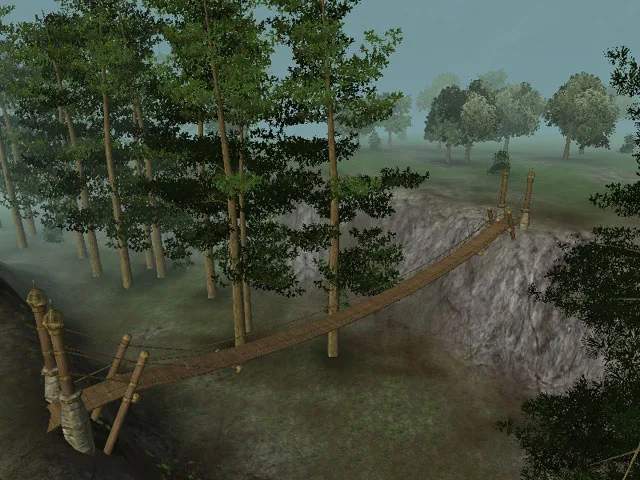
- Chokepoints: Narrow passages, bridge entrances, and castle gates are ideal for funneling enemies into AoE (Area of Effect) attacks or for creating defensive stands.
- High Ground: Provides a tactical advantage for ranged classes, offering a clear view of the battlefield and often increasing their effective range.
- Environmental Hazards: Be aware of environmental elements like lava, water, or cliffs. A well-placed knockback can send an enemy to their doom.
Actionable Strategy: When defending a keep, position your casters on the walls for maximum LoS. As a melee character, try to engage enemies in open areas where you have room to maneuver, or in chokepoints where you can control the flow of battle. Never chase an enemy blindly into an unknown area; they might be leading you into an ambush.
The Importance of Group Synergy
Dark Age of Camelot RvR is a team sport. A lone warrior, no matter how skilled, will rarely stand a chance against a coordinated group.
- Healers: Protect your healers at all costs. They are the lifeblood of your group. Designate a "peeler" (a melee class) to keep enemies off them.
- Crowd Control (CC): Classes with stun, root, mezz (mesmerize), and debuff abilities are invaluable. Coordinate your CC to lock down key enemy targets.
- Focus Fire: Designate a primary target and have your entire group focus their damage on that single enemy. This quickly eliminates threats and creates numerical advantages.
- Communication: Use group chat or voice communication to call out targets, warn of incoming threats, and coordinate abilities.
Actionable Strategy: As a tank, your role is often to initiate combat, draw aggro, and protect your squishier teammates. Use your taunts and defensive abilities to keep enemies focused on you. As a damage dealer, follow your group leader's target calls. As a healer, stay behind your tanks and be aware of your surroundings to avoid being flanked.