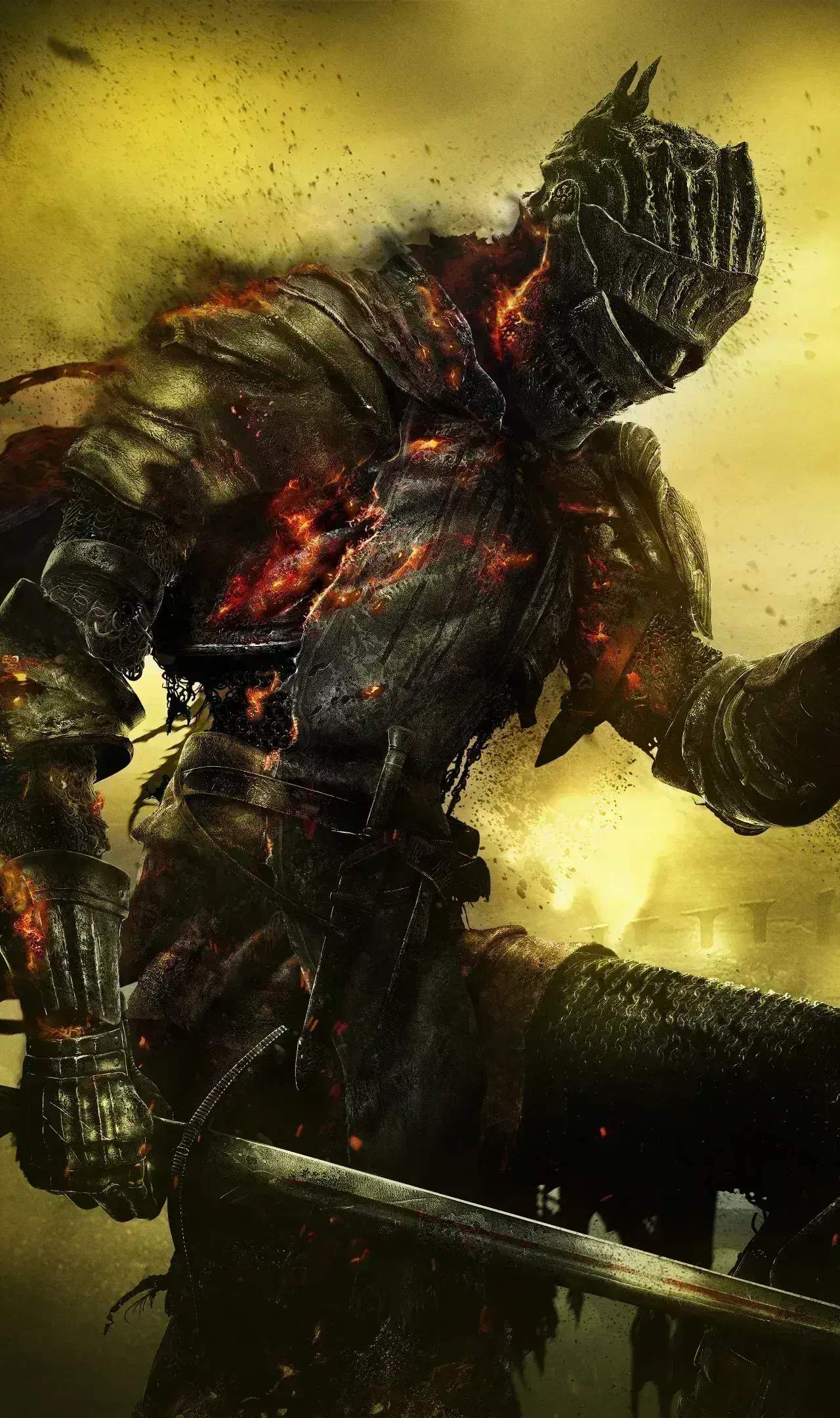
Understanding how weapons scale with your character's stats and the different damage types they inflict is crucial for optimizing your build and maximizing your damage output in Dark Souls III. Simply picking up the biggest sword you find won't always lead to the best results; a weapon's true potential is unlocked when it synergizes with your chosen attributes.
Weapon Scaling Explained
Every weapon in Dark Souls III has a letter grade associated with various stats (Strength, Dexterity, Intelligence, Faith, and Luck). These grades, ranging from E (poor) to S (exceptional), indicate how much bonus damage the weapon receives from that particular stat. For instance, a weapon with 'A' scaling in Strength will gain significantly more attack rating from your Strength stat than one with 'C' scaling.
- Strength (STR): Primarily benefits heavy, slow-hitting weapons like Greatswords, Greataxes, and Ultra Greatswords.
- Dexterity (DEX): Enhances faster, more agile weapons such as Katanas, Daggers, and Curved Swords.
- Intelligence (INT): Boosts damage for sorcery-infused weapons and catalysts.
- Faith (FTH): Increases damage for miracles-infused weapons and talismans/chimes.
- Luck (LCK): Primarily affects Hollow and Bleed infusions, and item discovery.
When choosing a weapon, always check its scaling. If you're building a Strength character, prioritize weapons with high Strength scaling. Likewise, a Dexterity build should seek out weapons that scale well with Dex.
Damage Types
Beyond raw attack rating, Dark Souls III features several distinct damage types, each with its own strengths and weaknesses against different enemies:
- Standard: The most common damage type, effective against a wide range of foes.
- Strike: Particularly effective against heavily armored enemies and skeletons. Think hammers, maces, and fists.
- Slash: Good against unarmored or lightly armored enemies. Found on most swords, axes, and katanas.
- Thrust: Excellent for hitting weak points and often has longer reach. Spears, rapiers, and some sword attacks fall into this category.
- Magic: Deals magical damage, often effective against fire-resistant or heavily armored foes.
- Fire: Inflicts fire damage, devastating against many beasts and some humanoids.
- Lightning: Deals lightning damage, highly effective against many bosses and enemies found in late-game areas.
- Dark: Inflicts dark damage, often strong against holy or light-aled enemies.
Experiment with different damage types to exploit enemy weaknesses. For example, a Strike weapon can make short work of the heavily armored Lothric Knights, while a Fire weapon will melt many of the early game's undead.