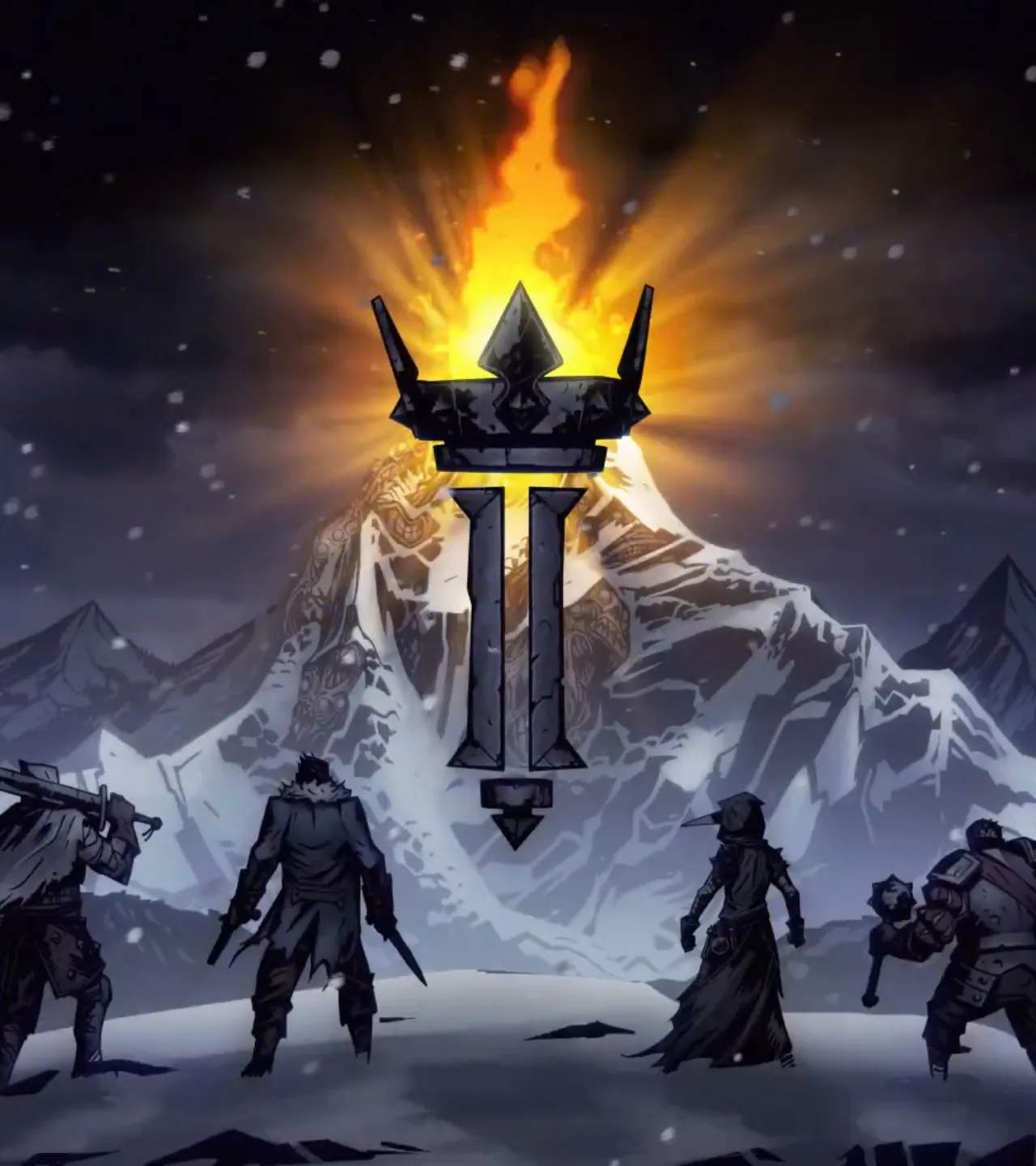
The Crossroads: Starting Your Journey
The Crossroads is your initial staging ground in Darkest Dungeon II, the pivotal moment where your journey truly begins. This isn't just a menu; it's where you make crucial decisions that will dictate the flow and difficulty of your entire expedition. Understanding these early choices is paramount to survival and success.
Selecting Your Initial Heroes
Upon arriving at the Crossroads, you'll be presented with a selection of four heroes. These are your starting roster, and their composition is vital. While the game often offers a balanced group, consider the following:
- Role Diversity: Aim for a mix of damage dealers (e.g., Highwayman, Grave Robber), tanks/front-liners (e.g., Man-at-Arms, Leper), healers/support (e.g., Plague Doctor, Vestal), and utility/rank shifters (e.g., Jester, Runaway).
- Synergies: Look for heroes whose skills complement each other. For instance, the Plague Doctor's Blight skills pair well with heroes who can apply Vulnerable. The Man-at-Arms' Bolster can set up strong defensive turns for your entire party.
- Personal Preference: Ultimately, choose heroes you enjoy playing. Familiarity with a hero's kit can often outweigh a theoretically "perfect" composition.
You cannot change these initial heroes once you depart the Crossroads, so choose wisely!
The Stagecoach: Your Lifeline
Before you set off, you'll also interact with your Stagecoach. This isn't just transport; it's a mobile base that can be upgraded and customized. At the Crossroads, your Stagecoach will be in its basic form, but it's important to understand its function from the outset.
- Inventory: The Stagecoach carries your inventory of items, including Combat Items, Inn Items, and Trinkets. You'll start with a small selection of provisions.
- Resistance: The Stagecoach has its own HP and Flame. Maintaining its Flame is critical, as a low Flame value increases the likelihood of ambushes and negative encounters.
- Upgrades (Later): While not available at the Crossroads, remember that you'll be able to acquire Stagecoach upgrades later in your run, such as Cargo Bay for more inventory slots or Armored Wheels for increased durability.
Initial Inventory and Trinkets
Before you embark, take a moment to review your starting inventory and equip any available Trinkets. Your heroes will begin with a few basic items:
- Combat Items: You'll typically have a few Bandages, Medicinal Herbs, and Combat Stimulants. Distribute these among your heroes based on their needs and roles. For example, a hero prone to Bleed might benefit from a Bandage.
- Inn Items: These are used at Inns between regions. You'll likely start with a few basic Laudanum or Whiskey to manage stress.
- Trinkets: Each hero can equip two Trinkets, which provide powerful passive bonuses. At the Crossroads, you might have one or two basic Trinkets available. Equip them to heroes who can best utilize their effects. For instance, a Sharpened Spike (increased Melee Crit) would be excellent on a Highwayman.
Strategy: Don't hoard your initial items. While resources are scarce, using a Bandage to prevent a hero from dying in the first combat is always a good trade-off. Think of these starting provisions as a buffer to get you through the initial encounters.
The Road Ahead: Path Selection
Once your heroes are chosen and equipped, you'll be prompted to select your first path on the expedition map. This is a critical decision that influences the types of encounters you'll face and the rewards you can earn.
- Region Types: You'll typically choose between two or three different regions for your first leg of the journey, such as The Sprawl (fire-themed, often stress-heavy) or The Foetor (disease-themed, blight-focused). Each region presents unique enemy types and environmental hazards.
- Node Types: Along each path, you'll see various nodes representing different encounters:
- Combat Encounters: Standard battles against enemy groups.
- Assistance Encounters: Opportunities to gain positive buffs, resolve stress, or acquire items.
- Lair Encounters: Challenging multi-stage battles culminating in a mini-boss, offering valuable rewards like Hero Shrines or powerful Trinkets.
- Hoarder Encounters: A merchant where you can buy and sell items.
- Academic's Study: Provides Lore and sometimes items.
- Flame Management: Keep an eye on the Flame icon on your Stagecoach. Certain paths or encounters might reduce your Flame, making subsequent encounters more dangerous. Aim to maintain a high Flame value whenever possible.
Recommendation: For your very first run, consider a path that offers a mix of combat and assistance nodes to help you get a feel for the game's mechanics without being overwhelmed. Don't be afraid to experiment with different regions on subsequent runs to discover what suits your playstyle best.
With these initial decisions made, you're ready to leave the Crossroads and face the horrors of the Darkest Dungeon. Good luck, and may your resolve be unyielding!