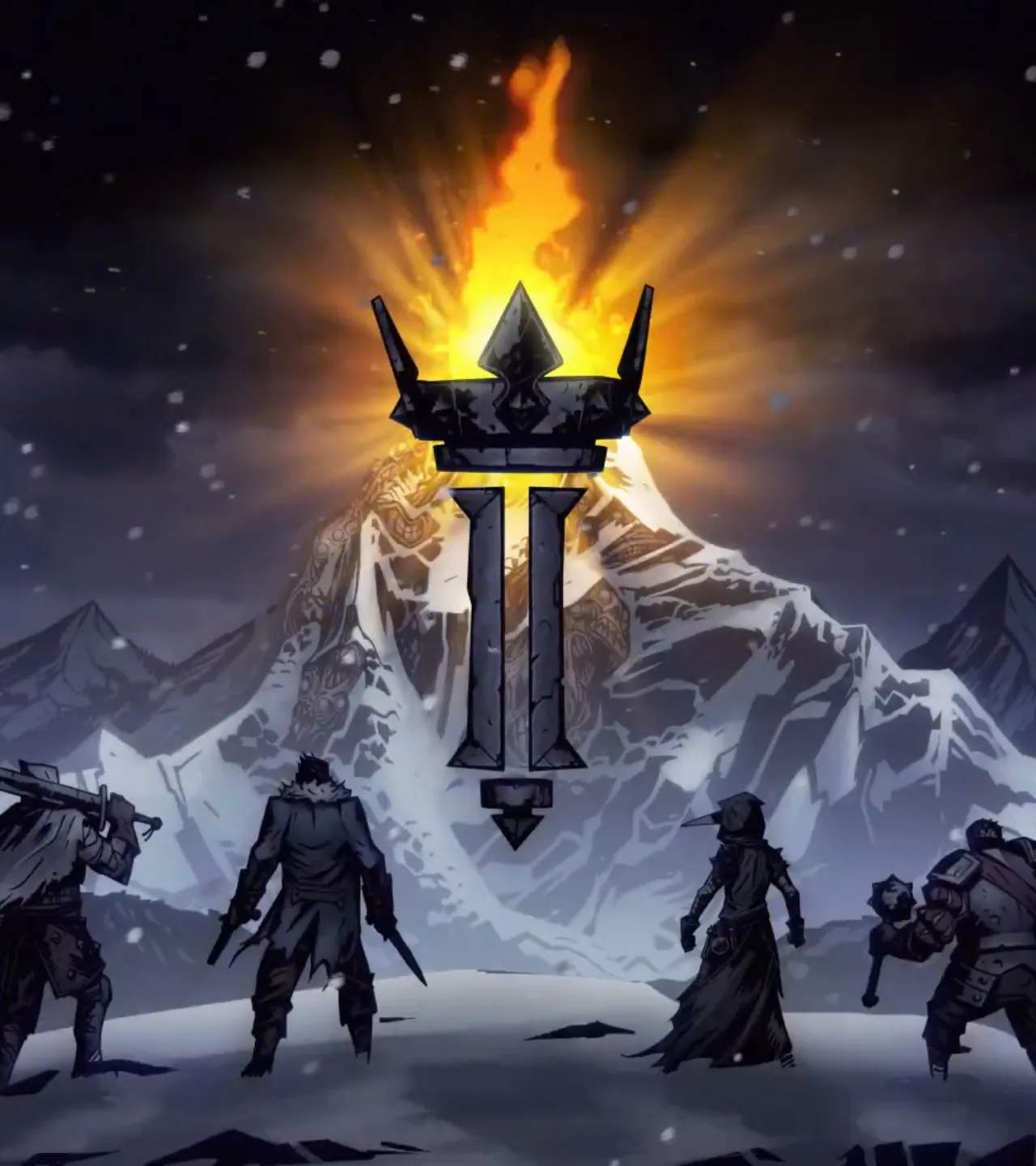
What's New in Darkest Dungeon II
Welcome, veteran adventurers and fresh recruits alike! Darkest Dungeon II brings a host of significant changes and exciting new mechanics to the beloved, brutal formula. Forget the Hamlet; your journey now takes place on a perilous road trip across a dying world. This section will guide you through the most impactful differences, ensuring you're well-equipped to face the encroaching apocalypse.
The Journey: A Roguelike Road Trip
The most fundamental shift in Darkest Dungeon II is the transition from a town-based management sim to a roguelike expedition. Instead of managing a roster of heroes in the Hamlet, you now embark on a single, continuous journey with a chosen party of four. Each run is a distinct attempt to reach and defeat the final boss at the Mountain.
- The Stagecoach: Your Lifeline: The Stagecoach is your mobile base of operations. It's not just transport; it's where you store your inventory, manage your Flame (a crucial resource), and apply Stagecoach Upgrades.
- Actionable Step: Prioritize upgrading your Stagecoach early in a run. Look for upgrades like the Cargo Crate (increases inventory slots) or the Armored Plating (reduces damage taken from road hazards). These can be acquired at the Inn or sometimes as rewards from Road Encounters.
- Strategy: Always keep an eye on your Stagecoach's durability. If it falls to zero, you'll be forced to walk, incurring stress and potential negative quirks. Repair kits are essential!
- The Flame: Hope's Ember: The Flame on your Stagecoach represents your party's hope and resilience. It decreases as you travel and face challenges. A higher Flame level grants combat bonuses and better loot.
- Actionable Step: Replenish your Flame at Inns or by successfully completing certain Road Encounters. Avoiding unnecessary detours or dangerous paths can also help conserve it.
- Strategy: Don't let your Flame drop too low. A critically low Flame (below 20) can trigger negative events and make combat significantly harder.
- Regions and Paths: The world is divided into distinct regions, each with its own unique enemies, environmental hazards, and potential rewards. You'll choose your path at various junctions, influencing the challenges you face.
- Actionable Step: At each crossroads, carefully consider the icons displayed on the path options. Icons like the Loot Chest (guaranteed treasure), Hospital (heals diseases/quirks), or Resistance Encounter (combat) indicate what lies ahead.
- Strategy: Balance risk and reward. Sometimes a more dangerous path offers greater potential rewards, but don't overextend your party if they're already stressed or injured.
Hero Management & Relationships
The hero roster system has been completely revamped. Instead of a large pool of interchangeable heroes, you now focus on a core party of four, whose relationships dynamically evolve throughout the journey.
- Relationship System: Heroes now develop relationships with each other, ranging from positive (e.g., Admiration, Respect) to negative (e.g., Distrust, Hatred). These relationships trigger unique combat buffs or debuffs.
- Actionable Step: Pay attention to dialogue choices during Road Encounters and at Inns. Certain choices can improve or worsen relationships. Using specific Inn Items like the Whiskey Barrel or Gambling Dice can also influence rapport.
- Strategy: Aim for positive relationships between heroes who synergize well in combat. For example, a Man-at-Arms with Admiration for a Highwayman might grant the Highwayman extra damage. Conversely, a hero with Distrust might refuse to heal or guard their disliked comrade.
- Hero Shrines: Backstory & Skills: Gone are the old skill trainers. Heroes now unlock new skills and learn about their past through Hero Shrines found on the road.
- Actionable Step: Always prioritize visiting Hero Shrines when you see them on the map. Each shrine offers a unique challenge or narrative segment that, upon completion, unlocks a new combat skill or a powerful memory.
- Strategy: Unlocking a hero's full skill set is crucial for optimizing their combat effectiveness. Some shrines require specific hero combinations or items to complete.
- Paths: Specializing Your Heroes: Each hero now has multiple "Paths" (similar to subclasses) that alter their base stats and skills. For example, the Highwayman can choose the Sharpshooter path for ranged damage or the Rogue path for melee prowess.
- Actionable Step: Experiment with different Paths for your heroes. You can select a hero's Path at the start of a run or sometimes change it at the Inn if you find a specific item.
- Strategy: Build a cohesive party composition by selecting Paths that complement each other. A tanky Man-at-Arms (e.g., Vanguard Path) paired with a high-damage Plague Doctor (e.g., Alchemist Path) can be very effective.
Combat and Progression Changes
While the core turn-based combat remains, several key elements have been refined or introduced to enhance strategic depth.
- Token System: Combat now heavily utilizes a token system. Buffs and debuffs are often applied as tokens (e.g., Block, Crit, Vulnerable, Weak) that persist for a certain number of turns or until consumed.
- Actionable Step: Pay close attention to the tokens on both your heroes and enemies. Prioritize removing negative tokens from your heroes and applying positive tokens to your damage dealers.
- Strategy: Skills that apply or remove tokens are incredibly valuable. The Plague Doctor's Indiscriminate Science can remove negative tokens, while the Man-at-Arms' Bolster can apply Block tokens to the party.
- Stress and Meltdowns: Stress is still a major factor, but the "Affliction" system has been replaced by "Meltdowns." When a hero's stress reaches 10, they suffer a Meltdown, taking significant health damage and potentially gaining a negative relationship with another hero.
- Actionable Step: Manage stress proactively using skills like the Jester's Battle Ballad or Inn Items like the Laudanum.
- Strategy: While Meltdowns are detrimental, they also reset a hero's stress to 0. Sometimes, allowing a hero to meltdown if they are already heavily stressed can be a calculated risk, especially if you have healing available.
- The Altar of Hope: Permanent Progression: Unlike the first game, progression in Darkest Dungeon II is largely persistent across runs through the Altar of Hope. Here, you spend Hope (earned from successful runs and encounters) to unlock new heroes, items, Stagecoach upgrades, and more.
- Actionable Step: After each run, visit the Altar of Hope. Prioritize unlocking essential items like Healing Salve recipes or new heroes that fit your preferred playstyle.
- Strategy: Don't spread your Hope too thin. Focus on unlocking upgrades that will immediately benefit your next few runs, such as increased inventory space or stronger starting trinkets.