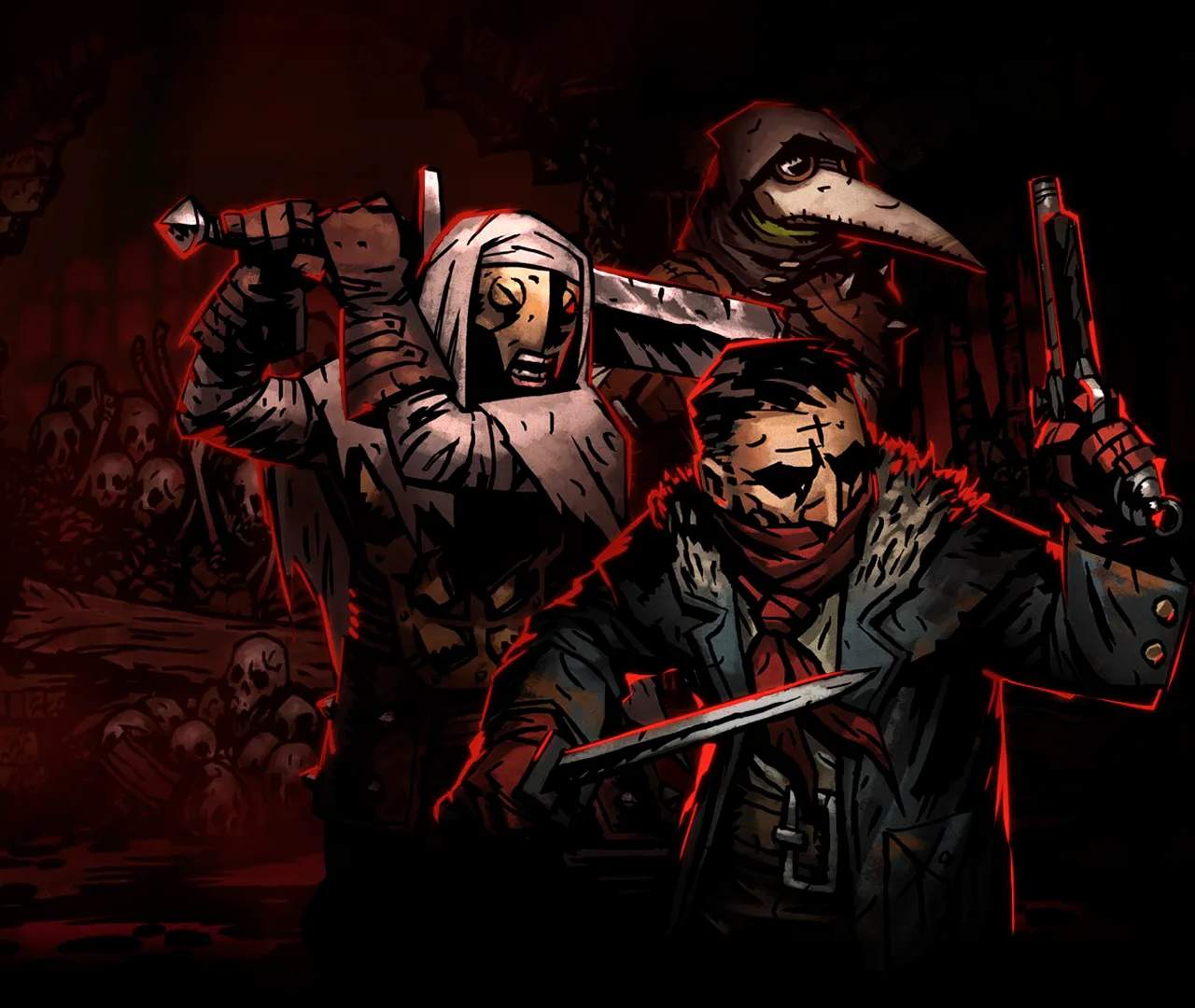
The Necromancer (Ruins)
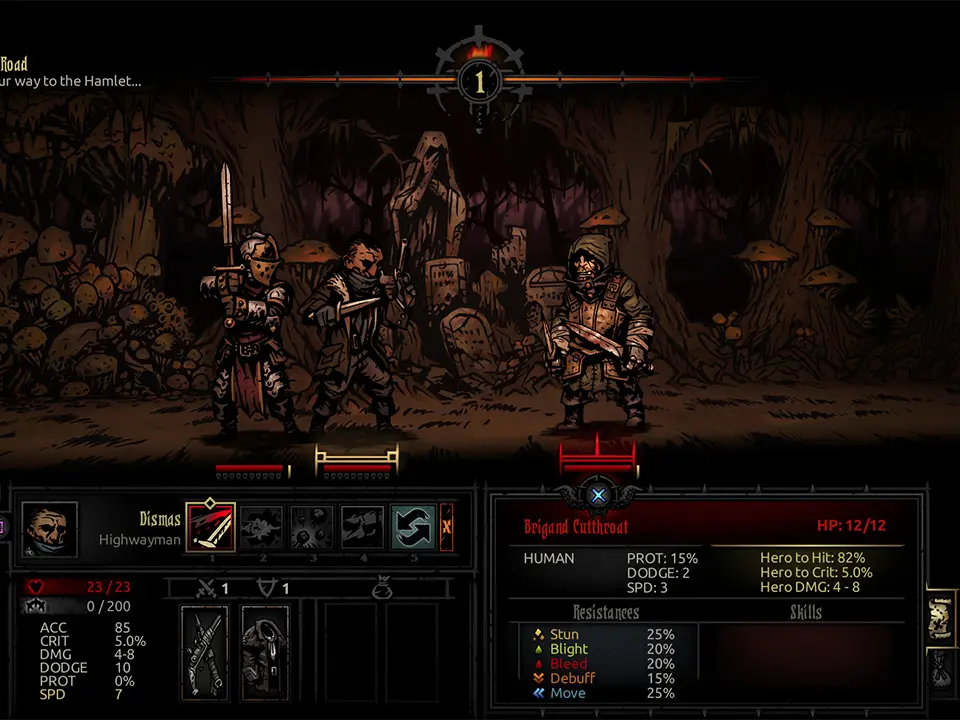
The Necromancer is typically the first boss players will encounter in Darkest Dungeon, found at the end of a Medium or Long dungeon run in the Ruins. He serves as a formidable introduction to the game's boss mechanics, primarily revolving around his ability to summon an endless horde of skeletal minions. Defeating him requires a focused strategy on damaging the boss directly while managing the constant pressure from his summoned allies.
Boss Mechanics & Attack Patterns
The Necromancer's primary threat comes from his ability to summon new skeletal enemies every few rounds. He has a relatively low HP pool for a boss, but his constant reinforcements can quickly overwhelm an unprepared party. Understanding his core abilities is crucial:
- The Flesh is Willing: This is the Necromancer's signature move. He will summon 1-2 skeletal minions (either Skeletal Footmen, Skeletal Spearmen, or Skeletal Arbalests) to fill any empty ranks in his party. These minions are identical to their regular dungeon counterparts, possessing their usual attacks and resistances. This ability is often used when his current minions are defeated, but he can also use it to replace weakened ones.
- Bone Storm: A moderate damage area-of-effect (AoE) attack that targets all heroes, often inflicting blight or bleed. This can quickly chip away at your party's health if not managed.
- Unholy Touch: A single-target melee attack with moderate damage. Less common than his summoning or AoE, but still a threat.
Key Strategy: The most critical aspect of this fight is understanding that the Necromancer's minions will always respawn. Attempting to clear them all before focusing on the boss is a losing battle. Your primary objective is to deal as much direct damage to the Necromancer as possible, ignoring his summoned allies unless they pose an immediate threat (e.g., high damage dealers or stress dealers). The Necromancer will shift positions (ranks 1-4) throughout the fight, making ranged attacks and heroes with flexible attack ranges valuable.
Recommended Party Composition & Tactics
A balanced party with strong single-target damage, healing, and some crowd control is ideal for tackling the Necromancer. Heroes with bonuses against Unholy enemies are particularly effective.
Hero Recommendations:
- Crusader: An absolute staple for the Ruins. His Smite ability deals bonus damage to Unholy enemies, and Holy Lance allows him to attack from the back ranks if shuffled. He also provides stress healing with Inspiring Cry. Position: Front ranks (1-2).
- Vestal: Essential for reliable healing. Divine Grace and Divine Comfort will keep your party alive through the Necromancer's attacks and the sustained damage from his minions. Her Judgement can also contribute some damage from the back. Position: Back ranks (3-4).
- Bounty Hunter: Excellent single-target damage, especially when combined with marking. Collect Bounty deals significant damage to marked targets, and his Hook and Slice can pull the Necromancer forward if he retreats. Flashbang provides a useful stun. Position: Middle ranks (2-3).
- Hellion: High damage dealer with powerful stuns. Iron Swan can hit back ranks, and Adrenaline Rush can clear debuffs and boost damage. Yawp! is a strong AoE stun that can buy time against minions. Position: Front ranks (1-2).
- Highwayman: Versatile damage dealer. Point Blank Shot for burst damage (requires rank 1), Pistol Shot for back rank damage, and Duelist's Advance for repositioning and damage. Position: Flexible (1-3).
- Grave Robber: High damage with good mobility. Lunge and Shadow Fade allow her to reposition while dealing significant damage, and Poison Dart can apply blight. Position: Flexible (2-4).
Optimal Party Positioning:
A common and effective setup for the Necromancer fight is:
- Crusader (or Hellion/Man-at-Arms)
- Bounty Hunter (or Highwayman/Grave Robber)
- Vestal (or Occultist)
- Arbalest/Musketeer (or Plague Doctor/Vestal)
This provides a strong front-line tank/damage dealer, a flexible damage dealer, and two back-line support/damage heroes. The Arbalest/Musketeer is particularly good for marking the Necromancer and dealing high damage from the back, while the Plague Doctor can apply blight and stun minions.
Tactical Advice:
- Focus Fire: Your absolute top priority is to damage the Necromancer. Every turn, if possible, at least one hero should be attacking him directly.
- Minion Management: While you shouldn't waste turns clearing every minion, don't ignore them entirely.
- Stun high-threat minions: Skeletal Spearmen can hit your backline, and Arbalests deal significant ranged damage. Stun them to reduce incoming damage.
- Finish off weakened minions: If a minion is almost dead from AoE or incidental damage, a quick hit to finish it off can prevent it from attacking again.
- Ignore low-threat minions: Skeletal Footmen in the front ranks are generally less dangerous than the Necromancer himself. Let your front-liners absorb their attacks while your damage dealers focus on the boss.
- Healing & Stress: Keep your party's health and stress levels in check. The sustained damage from minions and the Necromancer's AoE can quickly add up. Use your Vestal's heals proactively.
- Movement Skills: The Necromancer can shuffle your party. Heroes with movement skills (e.g., Crusader's Holy Lance, Highwayman's Duelist's Advance, Grave Robber's Lunge/Shadow Fade) are invaluable for recovering from shuffles without losing damage turns.
- Marking: If you bring a hero like the Bounty Hunter or Arbalest, marking the Necromancer can significantly increase your damage output.
- Trinkets: Equip trinkets that boost damage (especially against Unholy), accuracy, or healing. Stress resistance trinkets can also be helpful.
Provisioning & Curios
For a Medium or Long dungeon run leading to the Necromancer, standard provisioning applies, with a few boss-specific considerations:
- Food: Ample food is crucial for healing between fights and managing hunger checks.
- Torches: Maintain high light levels to reduce stress and increase scouting chance.
- Bandages & Antivenom: Less critical for the Necromancer himself, but useful for the dungeon leading up to him.
- Medicinal Herbs: Can cure blight/bleed from Bone Storm, but not a primary concern.
- Holy Water: Can be used on Altars of Light for buffs in the Ruins, and can cleanse specific debuffs.
- Shovels: For clearing obstacles.
- Keys: For locked curios and secret rooms.
Curios in the Ruins: Prioritize interacting with curios that provide buffs or valuable loot. Use Holy Water on Altars of Light for a damage buff, and use Keys on Sarcophagi for extra treasure. Avoid negative interactions that cause stress or debuffs.
Rewards
Upon defeating the Necromancer, you will receive a significant amount of gold, heirlooms, and potentially rare trinkets. The specific rewards vary based on the difficulty (Apprentice, Veteran, Champion) and the dungeon's length, but generally include:
- Gold: Substantial amounts for upgrading the Hamlet.
- Heirlooms: Busts, Portraits, Deeds, and Crests, vital for Hamlet upgrades.
- Boss Trinket: Each Necromancer fight has a chance to drop a unique Necromancer-themed trinket. Examples include:
- Necromancer's Collar: +10% DMG, +10 ACC, -5 DODGE (Apprentice)
- Necromancer's Map: +25% Scout Chance, +10 DODGE, -10% Max HP (Veteran)
- Necromancer's Scroll: +15% Stress Resist, +10% Virtue Chance, -10% Max HP (Champion)
Defeating the Necromancer also completes the associated quest, allowing you to progress further into the game and unlock more challenging content.
Common Pitfalls & How to Avoid Them
- Ignoring the Necromancer: The biggest mistake is getting sidetracked by his minions. Always remember: the boss is the target.
- Lack of Healing: Sustained damage from minions and the boss can quickly deplete health. Ensure your Vestal (or Occultist) is well-equipped and prioritized for healing.
- Low Damage Output: If your party lacks sufficient single-target damage, the fight will drag on, and stress/health will become unmanageable. Bring heroes optimized for direct damage.
- Poor Stress Management: While not as stress-heavy as some other bosses, the constant attacks can accumulate stress. Bring a stress healer (Crusader, Jester) if you're concerned, or ensure you have high stress resistance.
- Under-provisioning: Running out of torches, food, or healing supplies before reaching the boss can doom your run. Always over-provision slightly.
By focusing on the Necromancer, managing his summoned minions strategically, and maintaining your party's health, you'll be well-equipped to send this undead lord back to his grave and claim your rewards.