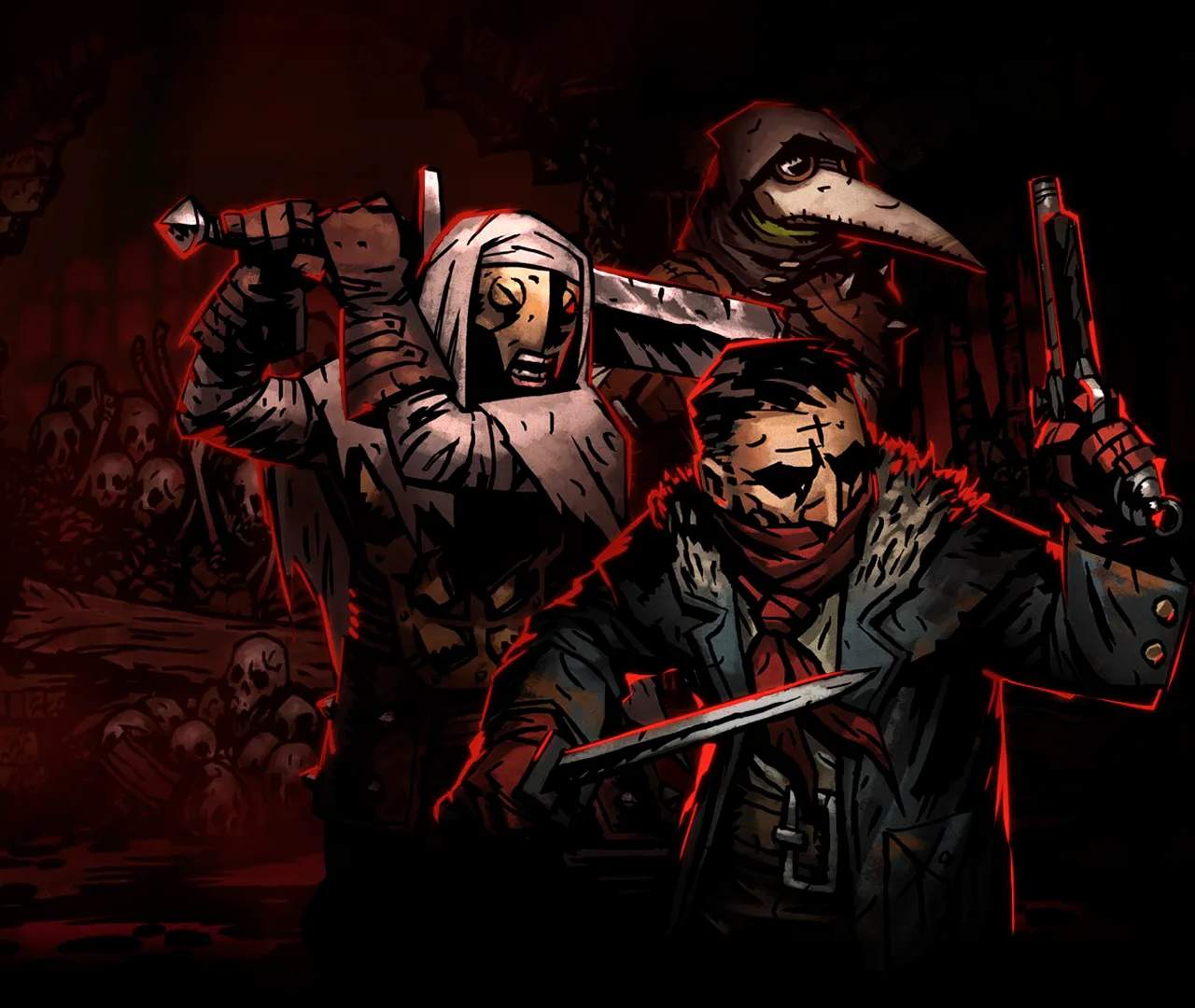
Estate Management: Upgrades & Decisions
The Hamlet is your sanctuary, your base of operations, and the key to your long-term success in Darkest Dungeon. Effective estate management, through strategic upgrades and careful decision-making, is paramount to keeping your heroes alive and your expeditions fruitful. This section will guide you through the critical buildings and their upgrades, helping you prioritize your limited resources.
Resource Management: Heirlooms
Upgrading the Hamlet's buildings requires Heirlooms, which come in four types:
- Busts: Primarily used for the Abbey and Tavern.
- Portraits: Essential for the Guild and Blacksmith.
- Deeds: Required for the Stage Coach and Survivalist.
- Crests: Used for the Nomad Wagon and Sanitarium.
You acquire Heirlooms by completing quests, clearing curios, and from monster drops. Always be mindful of your current Heirloom needs when selecting quest rewards.
Key Hamlet Buildings & Upgrade Priorities
Each building in the Hamlet offers unique benefits. Prioritizing upgrades is crucial, especially in the early game when resources are scarce.
1. The Stage Coach
This is arguably the most important building to upgrade early. It dictates the influx of new heroes, which is vital for replacing fallen comrades and expanding your roster.
- Upgrade: Hero Barracks: Increases the maximum number of heroes you can house. Prioritize this to at least Level 3 (20 heroes) early on. More heroes mean more options for expeditions and less downtime due to stress and afflictions.
- Upgrade: Hero Recruit Chance: Increases the number of heroes appearing each week and their starting Resolve level. Higher levels here mean you'll see more diverse and potentially higher-level recruits, saving you time and money on training. Aim for Level 2 or 3 quickly.
Decision Point: Early game, focus on Barracks and Recruit Chance to ensure a steady supply of fresh bodies. Later, you can fine-tune for higher-level recruits.
2. The Blacksmith
Your heroes are only as good as their gear. The Blacksmith allows you to upgrade weapons and armor, significantly boosting their combat effectiveness.
- Upgrade: Weapon Smithing: Unlocks higher tiers of weapon upgrades. Prioritize this for your primary damage dealers and tanks.
- Upgrade: Armor Smithing: Unlocks higher tiers of armor upgrades. Essential for all heroes, especially those on the front lines.
Strategy: Aim to keep your active roster's gear at the highest possible level for their Resolve tier. A hero with Level 3 gear will perform far better than one with Level 1, even if their skills are identical.
3. The Guild
Skills are the backbone of your heroes' abilities. The Guild allows you to upgrade and unlock new skills.
- Upgrade: Skill Training: Unlocks higher tiers of skill upgrades. Similar to the Blacksmith, prioritize this for your core abilities on your most used heroes.
- Upgrade: Skill Slots: Increases the number of active skills a hero can have equipped. While useful, this is generally a lower priority than unlocking higher skill tiers.
Strategy: Focus on upgrading the core skills of your most reliable heroes first. Don't spread your resources too thin across too many heroes or skills initially.
4. The Abbey & The Tavern
These two buildings are your primary means of stress relief. Both offer different methods and have their own advantages.
- The Abbey: Offers Prayer, Meditation, and Flagellation. Generally more reliable for stress relief, but can lock heroes into specific activities for a week.
- The Tavern: Offers the Bar, Gambling Hall, and Brothel. Can be faster for stress relief but carries a higher risk of negative quirks or losing trinkets.
Upgrade Priorities:
- Abbey: Cloister (Prayer): Often the most cost-effective and reliable stress relief option.
- Tavern: Bar: A good alternative, especially for heroes who don't get along with the Abbey's options.
Decision Point: Upgrade both equally to provide options. Some heroes have quirks that make them prefer one over the other (e.g., "Religious" heroes prefer the Abbey, "Gambler" heroes prefer the Tavern). Maximize the slots in each to handle more stressed heroes simultaneously.
5. The Sanitarium
The Sanitarium is where you manage quirks and diseases. It's expensive but invaluable for maintaining a healthy roster.
- Upgrade: Treatment Ward: Increases the number of heroes who can receive treatment for negative quirks or diseases.
- Upgrade: Medical Ward: Allows you to lock in positive quirks, preventing them from being replaced.
Strategy: Early on, focus on removing debilitating negative quirks (e.g., Kleptomaniac, Compulsive). Later, as you acquire more gold, you can start locking in powerful positive quirks (e.g., Warrior of the Light, Hard Skinned).
6. The Nomad Wagon
This building sells trinkets, which can significantly enhance your heroes' abilities.
- Upgrade: Trinket Inventory: Increases the number of trinkets available for purchase each week.
- Upgrade: Trinket Rarity: Increases the chance of rare and very rare trinkets appearing.
Decision Point: This is a lower priority than core hero-focused upgrades. Invest here when you have a stable economy and are looking to optimize your hero builds.
7. The Survivalist
The Survivalist offers camping skills, which are crucial for longer expeditions.
- Upgrade: Camping Skills: Unlocks more powerful camping skills for your heroes.
Strategy: A low-priority upgrade initially. Most basic camping skills are sufficient for early dungeons. Focus on this when you start tackling longer, more challenging expeditions.
General Upgrade Philosophy
- Early Game (Weeks 1-10): Prioritize the Stage Coach (Barracks, then Recruit Chance), then the Blacksmith and Guild to get your core heroes equipped and skilled. Stress relief (Abbey/Tavern) should follow closely.
- Mid Game (Weeks 11-30): Continue upgrading Blacksmith and Guild to keep pace with hero Resolve levels. Expand stress relief options. Begin investing in the Sanitarium to manage quirks.
- Late Game (Weeks 30+): Max out all essential buildings. Focus on the Sanitarium for quirk management and the Nomad Wagon for optimal trinkets.
Remember, the Hamlet is a living entity, constantly evolving with your campaign. Adapt your upgrade strategy based on your current needs and the challenges presented by the Darkest Dungeon itself.