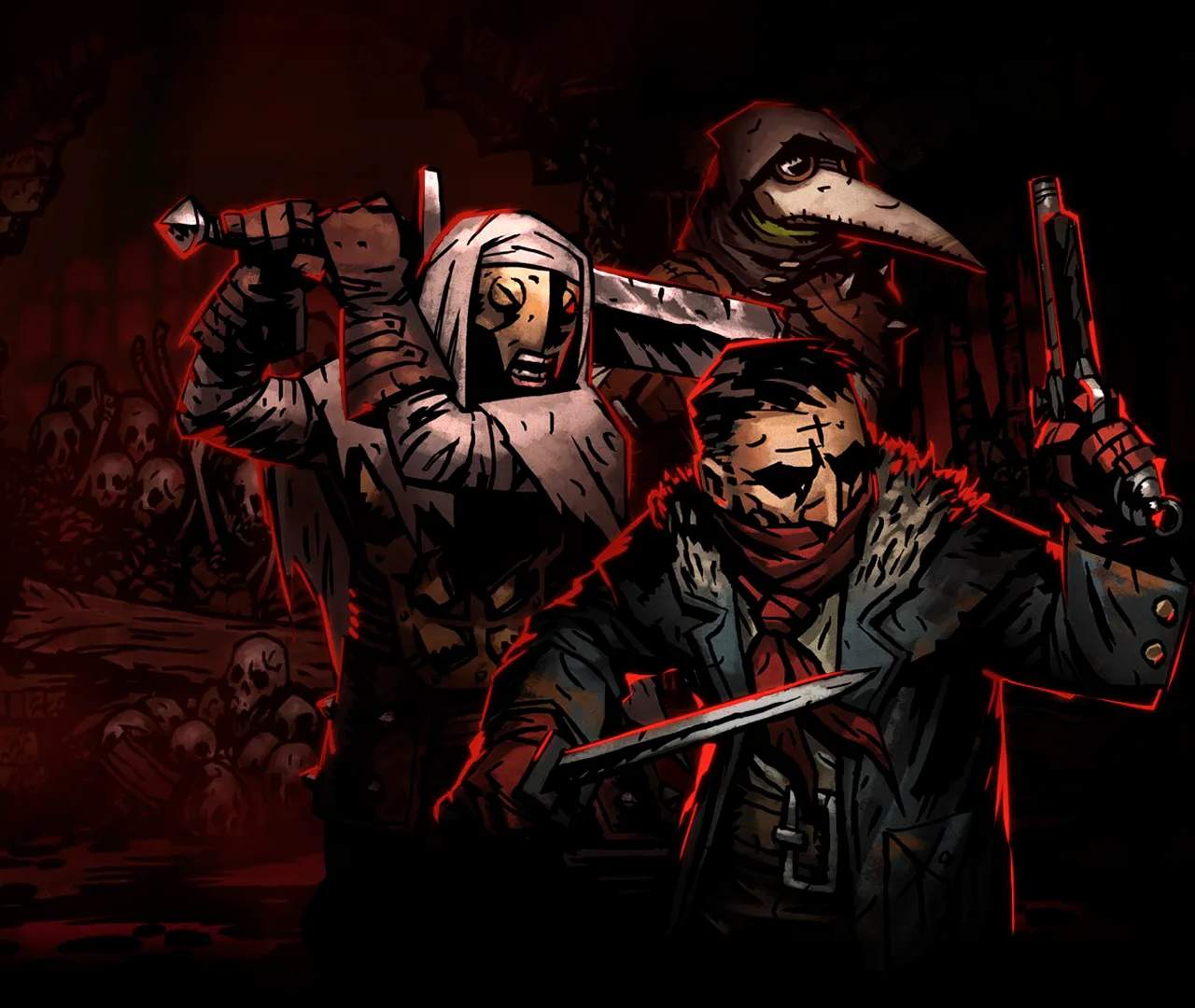
Hero Roster Management
The Hamlet's roster is your most vital asset in the fight against the encroaching darkness. Effective management of your heroes is paramount to success, ensuring you have a diverse, well-equipped, and mentally stable force ready for any challenge the Darkest Dungeon throws your way. This section will guide you through optimizing your hero pool.
Recruiting New Blood
New heroes arrive weekly via the Stage Coach, located in the Hamlet. The number of recruits available and their starting Resolve level (and thus, their initial skill and weapon/armor upgrades) depends on the upgrades you've invested in the Stage Coach:
- Stage Coach Network: Increases the number of heroes available for recruitment each week. Prioritize upgrading this early to expand your options.
- Hero Barracks: Increases your maximum roster size. While tempting to fill your barracks, remember that more heroes mean more stress and disease to manage. Aim for a comfortable buffer, perhaps 20-25 heroes, before maxing this out.
When selecting new recruits, consider the following:
- Class Diversity: Aim for a balanced roster across all hero classes. You'll need different compositions for different dungeon regions and boss fights. Don't over-recruit a single class, even if it's your favorite.
- Positive Quirks: Look for heroes with strong positive quirks like Tough (+10% MAX HP), Quick Reflexes (+2 SPD), or Luminous (+10 ACC, +5 DODGE in well-lit areas). These can provide significant advantages.
- Negative Quirks: Be wary of crippling negative quirks like Claustrophobia (+20 Stress in hallways), Kleptomaniac (steals loot), or Fear of Eldritch (+20 Stress vs. Eldritch). While some can be removed at the Sanitarium, others are permanent or too costly to address immediately.
- Starting Skills/Gear: Higher Resolve level recruits often come with pre-upgraded skills and equipment, saving you valuable gold and heirlooms.
Managing Stress and Afflictions
Stress is the silent killer in Darkest Dungeon. Unchecked stress leads to debilitating afflictions, and eventually, heart attacks. Your primary tools for stress management are the Abbey and the Tavern.
- The Abbey: Offers three stress-healing activities:
- Pray: Moderate stress heal, chance for positive quirk. Costs gold.
- Meditate: Strong stress heal, chance for positive quirk. Costs gold.
- Flagellate: Very strong stress heal, but hero takes damage and can gain negative quirks. Costs gold.
- The Tavern: Also offers three stress-healing activities:
- Gambling: Moderate stress heal, chance to gain or lose gold. Costs gold.
- Brothel: Strong stress heal, chance for negative quirk. Costs gold.
- Drinking: Very strong stress heal, but hero can gain negative quirks or diseases. Costs gold.
Important Considerations:
- Conflicting Quirks: Some heroes have quirks that prevent them from using certain facilities (e.g., God Fearing prevents Tavern use, Deviant Tastes prevents Abbey use). Plan accordingly.
- Disease Treatment: Diseases acquired in dungeons or from Tavern activities must be cured at the Sanitarium. Prioritize curing debilitating diseases like Crimson Curse (if you have The Crimson Court DLC), Rabies, or Syphilis.
- Quirk Management: The Sanitarium is also where you can lock in positive quirks (making them permanent) or remove negative quirks. This is expensive, so be selective. Lock in truly powerful positive quirks early, and remove only the most detrimental negative ones.
Upgrading Skills and Equipment
As your heroes gain Resolve levels, they unlock higher tiers of skills and equipment. These upgrades are crucial for increasing their effectiveness in combat.
- Guild: Located in the Hamlet, the Guild is where you upgrade hero skills. Each skill upgrade costs gold and requires a certain amount of Busts, Portraits, Deeds, or Crests (heirlooms). Prioritize upgrading core combat skills for your main party members.
- Blacksmith: Also in the Hamlet, the Blacksmith is where you upgrade hero weapons and armor. Each upgrade costs gold and heirlooms. Weapon upgrades increase damage and critical hit chance, while armor upgrades increase HP and Dodge. Always keep your main party's gear up-to-date.
Strategic Upgrading:
- Focus on Core Teams: Don't try to upgrade every hero equally. Identify your preferred dungeon-crawling compositions and invest heavily in them first.
- Heirloom Prioritization: Early on, Deeds are vital for upgrading the Blacksmith and Guild themselves, which then allows for higher hero upgrades. Balance hero upgrades with Hamlet upgrades.
- Skill Synergy: Consider how skills interact. Upgrading a Crusader's Smite and Holy Lance makes him a more potent damage dealer, while upgrading a Vestal's Divine Grace and Divine Comfort enhances her healing capabilities.
Dismissing Heroes
Sometimes, a hero simply isn't worth the investment. They might have too many terrible negative quirks, be constantly stressed, or simply not fit into your preferred team compositions. To dismiss a hero, select them from the roster and click the "Dismiss" button. This action is irreversible, so be certain of your decision. Don't be afraid to cut ties with dead weight; a lean, efficient roster is often more effective than a bloated, dysfunctional one.