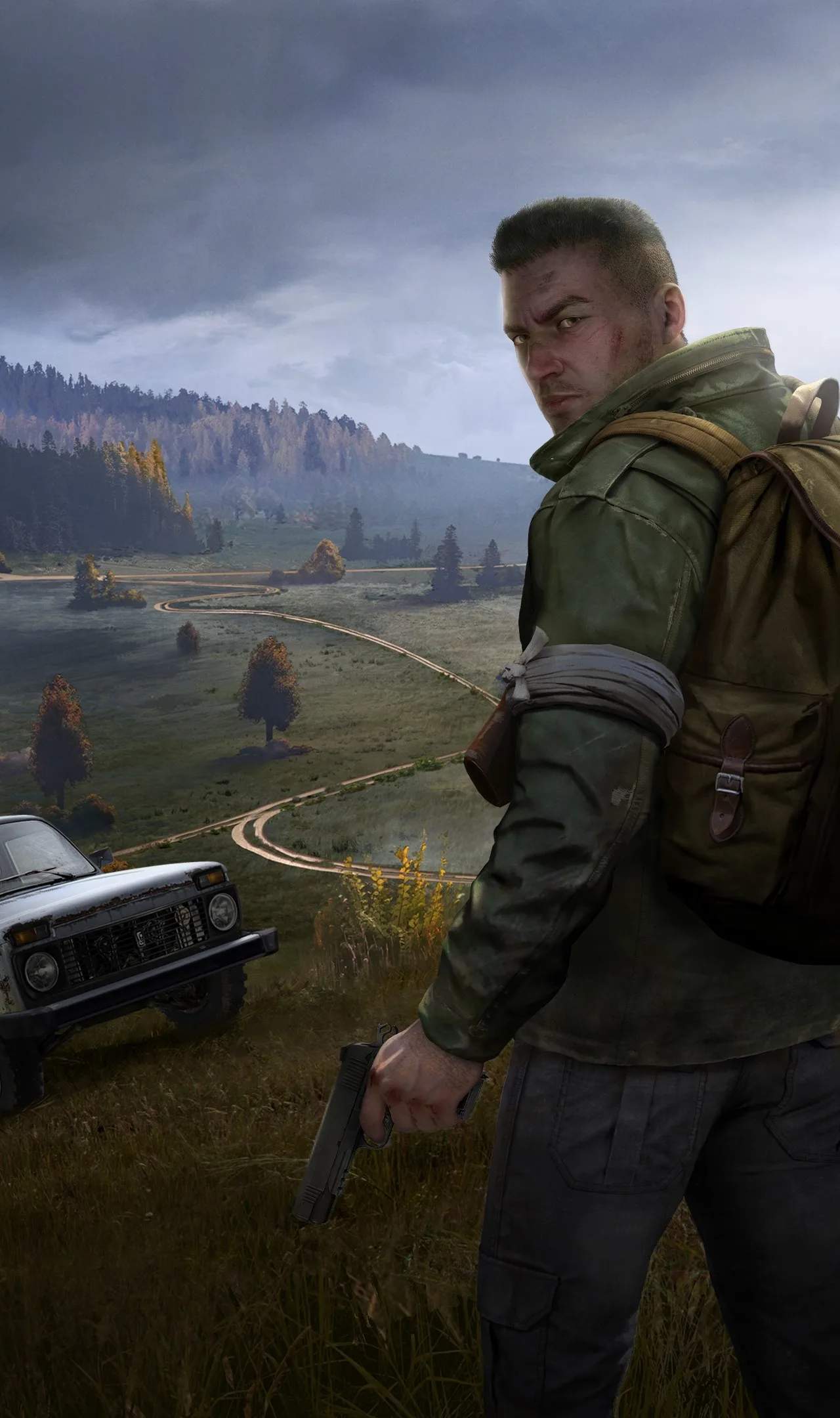
DayZ's environment is as much a threat as its zombies and hostile survivors. Dynamic weather systems and environmental hazards can quickly turn a successful scavenging run into a desperate fight for survival. This section details the various weather conditions and environmental dangers you'll face and how to mitigate their effects.
Weather Conditions and Their Impact
DayZ features a dynamic weather system that can change rapidly, sificantly impacting gameplay:
- Clear Skies: Ideal conditions, offering good visibility and no immediate environmental threats.
- Rain: Can reduce visibility, make surfaces slippery, and increase the risk of hypothermia if you're not adequately clothed. It also makes it harder to hear approaching zombies or players.
- Fog: Severely reduces visibility, making navigation and combat extremely difficult. It can be used for stealth but also makes you vulnerable to ambushes.
- Thunderstorms: Combine heavy rain, strong winds, and lightning. Lightning strikes can be dangerous, and the loud thunder can attract zombies. Hypothermia risk is high.
- Snow: Primarily affects cold weather survival, requiring warm clothing. Visibility can also be reduced.
Environmental Hazards
Beyond weather, other environmental factors pose risks:
- Hypothermia: Prolonged exposure to cold, wet conditions without adequate clothing will lead to hypothermia. Symptoms include shivering, blurred vision, reduced stamina, and eventually health loss.
- Heatstroke: While less common than hypothermia, prolonged exposure to direct sunlight in hot weather can also cause health issues.
- Radiation Zones: Certain areas, often marked by Geiger counters or specific visual cues, can be contaminated with radiation. Prolonged exposure will cause radiation sickness, leading to health loss and requiring specific medical treatment.
- Drowning: Attempting to swim across large bodies of water without proper preparation or if exhausted can lead to drowning.
- Falling: Jumping from heights, especially cliffs or multi-story buildings, can result in broken bones or death.
Mitigation Strategies
Surviving these environmental challenges requires preparation and awareness:
- Clothing: Layering is key. Wear waterproof outer layers, warm inner layers, and headwear. Ensure your clothing is in good condition.
- Fire: A fireplace is essential for drying wet clothes and warming up. Gather tinder (rags, bark) and fuel (sticks, logs).
- Shelter: Seek shelter in buildings or natural formations during severe weather.
- Food and Water: Maintaining high levels of hunger and thirst can help your body resist the effects of cold.
- Geiger Counter: If exploring potentially irradiated areas, a Geiger counter is vital for detecting radiation levels.
- Medical Supplies: Keep bandages, painkillers, and especially items for radiation sickness (like Tetracycline) on hand.
Specific Scenarios and Tips
- Rainy Day Survival: Prioritize finding shelter or ensuring your clothing is waterproof. Dry your clothes by a fire.
- Foggy Conditions: Move slowly and cautiously. Use sound cues to detect threats. Consider staying put if visibility is too low for safe travel.
- Entering Radiation Zones: Wear protective clothing (if available), carry a Geiger counter, and limit your time in the zone. Use Tetracycline immediately after exiting.
- Cold Weather: Always wear multiple layers, including a hat and gloves. Keep a fire going and dry your clothes whenever possible.
By understanding and respecting the environmental challenges DayZ throws at you, you can sificantly improve your chances of long-term survival.