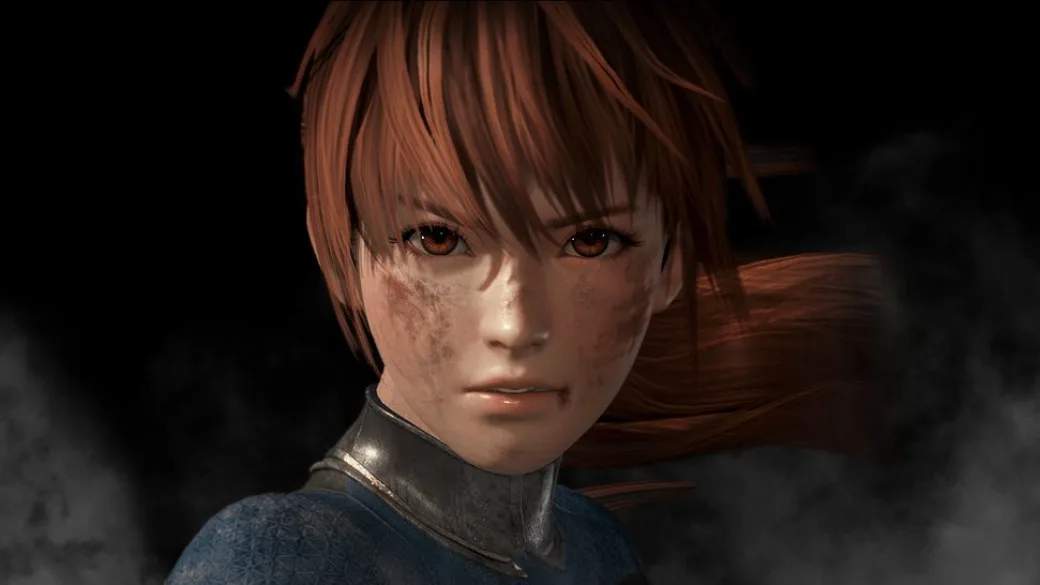
Story Mode
The Story Mode in Dead or Alive 6 presents a unique, non-linear narrative structure that can initially be a bit confusing. Unlike traditional fighting game story modes that follow a strict chapter progression, DOA6's story unfolds across a grid of interconnected events. This guide will help you navigate the story efficiently and ensure you experience the narrative in the most coherent way possible.
Navigating the Story Grid
Upon entering Story Mode, you'll be presented with a grid of nodes, each representing a specific event or fight. These nodes are not always chronological, and completing one might unlock several others, some of which could be "earlier" in the timeline (e.g., a prologue to an event you just witnessed).
Recommended Playthrough Order
To experience the story with the most logical flow, follow these steps:
- Start from the Leftmost Node: Always begin with the earliest available story segment in terms of its chapter designation.
- Play Left to Right: Once you've identified the earliest chapter, proceed to play the nodes horizontally, from left to right, within that chapter.
- Utilize L2/R2 (or equivalent): As you complete nodes, new ones will unlock. Use the L2 and R2 buttons (on PlayStation controllers, or their equivalent on other platforms) to cycle through the available story segments. This allows you to easily jump between different timelines and find the newly unlocked, earlier events.
- Prioritize Earliest Unlocked Chapters: If completing a node unlocks a "Prologue" or an event from an earlier chapter, immediately switch to that newly unlocked segment. Play through it and then return to your previous progression point.
- Repeat: Continue this pattern – playing left to right within the earliest available chapter, and immediately jumping to any newly unlocked earlier chapters – until all nodes are complete.
Following this method will ensure that you unlock and experience the story beats in a way that makes the most sense chronologically, even with the game's non-linear presentation.
Unlocks and Rewards
Completing Story Mode is essential for unlocking various in-game content. While the primary reward is the narrative experience itself, there are other benefits:
- Game Credits: Completing the first column of story nodes will trigger the game's end credits, marking a significant milestone in your progression.
- Titles: Progressing through the story and achieving certain objectives will unlock various titles that can be displayed on your player profile.
- Bios: Character biographies and lore entries are gradually unlocked as you play through the story, providing deeper insight into the Dead or Alive universe and its fighters.
- Trivia: Unlock interesting tidbits and trivia related to the game's characters and events.
- Music: While specific stage themes might require additional challenges, Story Mode progression contributes to unlocking music tracks for your in-game sound gallery.
unlike some previous Dead or Alive titles, completing Story Mode in DOA6 does not unlock hidden characters (such as Alpha-152 or Gen Fu), hidden stages, or special outfits. These types of unlocks are typically tied to other game modes like DOA Quest, Arcade Mode, or are available through in-game currency and purchases.
General Tips for Story Mode Fights
- Difficulty Adjustment: If you find certain fights too challenging, remember that you can adjust the difficulty settings in the game's options menu.
- Practice Mode: If you're struggling with a particular character or a specific move, take a moment to visit Practice Mode to hone your skills.
- Break Blows and Break Holds: Master the new Break Blow and Break Hold mechanics. These powerful moves can turn the tide of a fight and are crucial for overcoming tougher opponents.
- Environmental Hazards: Pay attention to the stages! Many stages feature environmental hazards that can be used to your advantage (or disadvantage). Knocking an opponent into a hazard can deal significant damage.