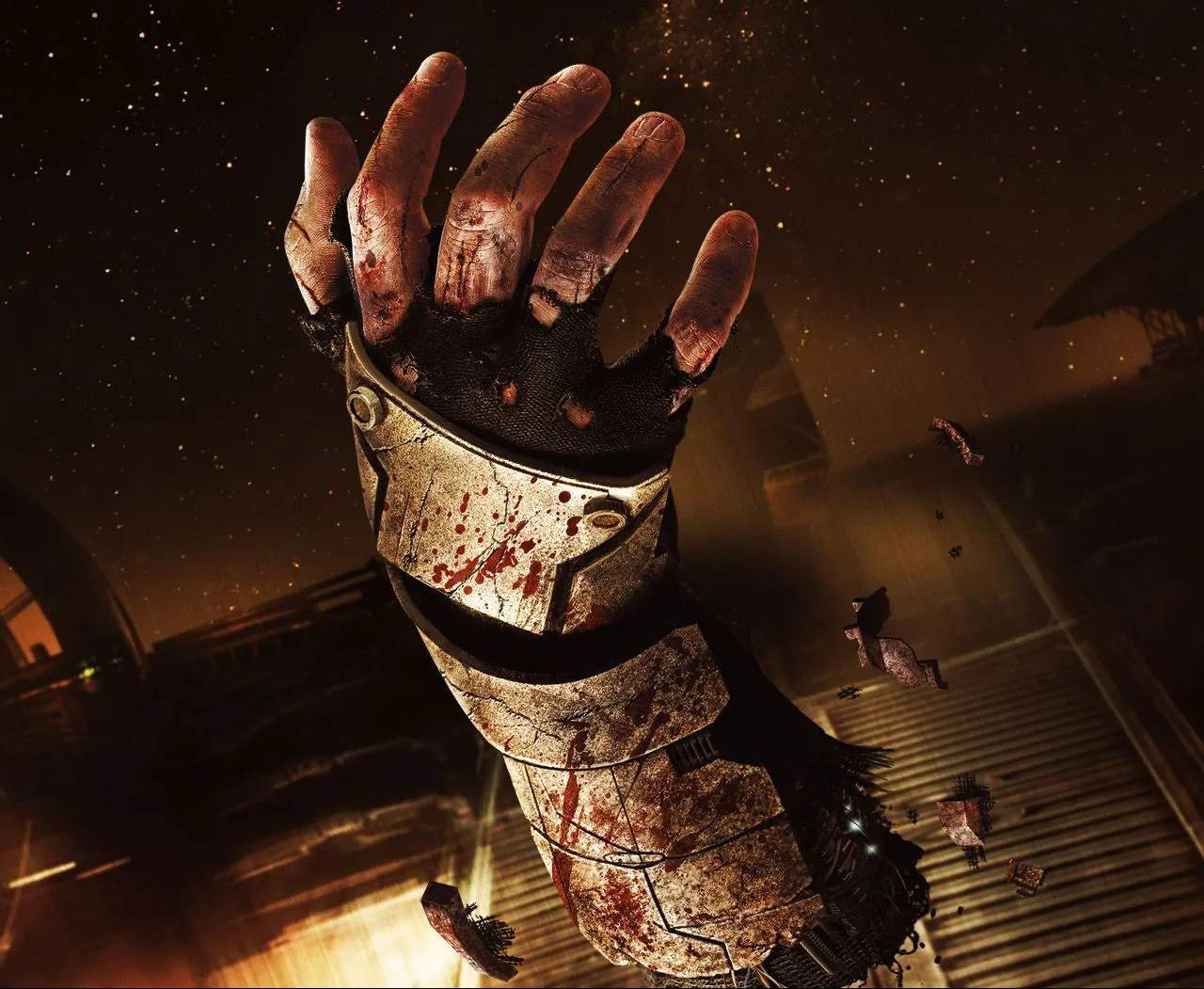
All Story Changes
The Dead Space Remake offers a faithful retelling of the original's narrative while introducing subtle yet impactful changes that enhance the story and character development. These alterations aim to deepen player immersion, flesh out existing plot points, and integrate new gameplay elements seamlessly into the established lore. Understanding these differences can provide a fresh perspective for returning players and a more cohesive experience for newcomers.
This section details the key story changes implemented in the Dead Space Remake compared to the 2008 original. We'll explore modifications to character arcs, expanded dialogue, new narrative sequences, and how these changes affect the overall plot progression. By highlighting these differences, we can appreciate the developers' efforts to modernize and enrich the iconic survival horror narrative.
Key Story Changes in the Remake:
- Isaac Clarke's Voice: Perhaps the most significant change is that Isaac Clarke is now a voiced protagonist. In the original, he was a silent character. The remake adds dialogue for Isaac, allowing him to react to events, express his thoughts, and interact more directly with other characters. This adds a new layer to his personality and his descent into madness.
- Expanded Nicole Brennan's Role: Nicole Brennan's presence and influence are more pronounced throughout the game. Her hallucinations and interactions with Isaac are more frequent and impactful, blurring the lines between reality and Isaac's deteriorating mental state. Her backstory and motivations are also explored in greater detail through new dialogue and expanded lore.
- Integration of Side Quests: The remake seamlessly integrates side quests, such as 'Scientific Methods,' 'You Are Not Authorized,' and 'Premeditated Malpractice,' into the main narrative flow. These quests provide deeper context for the outbreak, the Ishimura's crew, and the unethical research conducted on board, making the world feel more alive and interconnected.
- New Narrative Sequences: Several new scenes and dialogue exchanges have been added to flesh out character interactions and plot points. These include more detailed conversations with Hammond, Kendra, and other surviving crew members, as well as expanded lore entries that shed light on the Ishimura's mission and the cult of Unitology.
- Refined Pacing and Structure: While the core plot remains the same, the pacing has been adjusted in some areas to better suit the remake's gameplay and visual presentation. Certain events might occur earlier or later, or be presented with more dramatic emphasis.
- Environmental Storytelling: The enhanced graphics and level des allow for more detailed environmental storytelling. The state of the Ishimura, the placement of bodies, and the remnants of the crew's final moments are depicted with greater visceral impact.
- The Ending: While the core outcome of the original ending is preserved, the lead-up and Isaac's final moments have been slightly altered to better reflect his psychological state and the expanded narrative elements. The secret ending, tied to collecting Marker Fragments, also offers a new perspective.
Impact of the Changes:
- Increased Immersion: Isaac's voice and more detailed character interactions make You feel more connected to his plight.
- Deeper Lore: The expanded side quests and narrative elements provide a richer understanding of the Dead Space universe.
- Enhanced Psychological Horror: The increased focus on Nicole and Isaac's deteriorating mental state amplifies the psychological horror aspects of the game.
These story changes contribute to a Dead Space Remake that is both a loving tribute to the original and a compelling evolution of its narrative, offering a fresh yet familiar experience for all players.