Understanding Car Handling Characteristics
Mastering Dirt Rally 2.0 isn't just about raw speed; it's about intimately understanding how each vehicle responds to your inputs and the ever-changing terrain. Different car classes and individual models within those classes possess distinct handling characteristics that demand varied driving styles. Ignoring these nuances is a surefire way to end up in a ditch. This section will guide you through identifying and adapting to these critical differences.
The Core Elements of Car Handling
Every car's handling profile is a complex interplay of several key factors. Recognizing these will allow you to make informed decisions on car choice, tuning, and driving strategy.
- Weight Distribution: Front-engine, rear-wheel drive cars (like many Historic RWD vehicles) tend to be more prone to oversteer under power, especially on loose surfaces. Mid-engine or balanced AWD cars often feel more stable and predictable.
- Drivetrain (FWD, RWD, AWD):
- FWD (Front-Wheel Drive): Excellent traction for acceleration, but can suffer from understeer when pushed hard into corners. Requires precise throttle control to avoid scrubbing speed. Examples: Peugeot 205 GTI, MINI Cooper S.
- RWD (Rear-Wheel Drive): Highly dynamic and rewarding, but unforgiving. Prone to oversteer, demanding delicate throttle and counter-steering. Mastering RWD is key to unlocking some of the most satisfying driving in the game. Examples: BMW M3 E30, Ford Sierra Cosworth RS500.
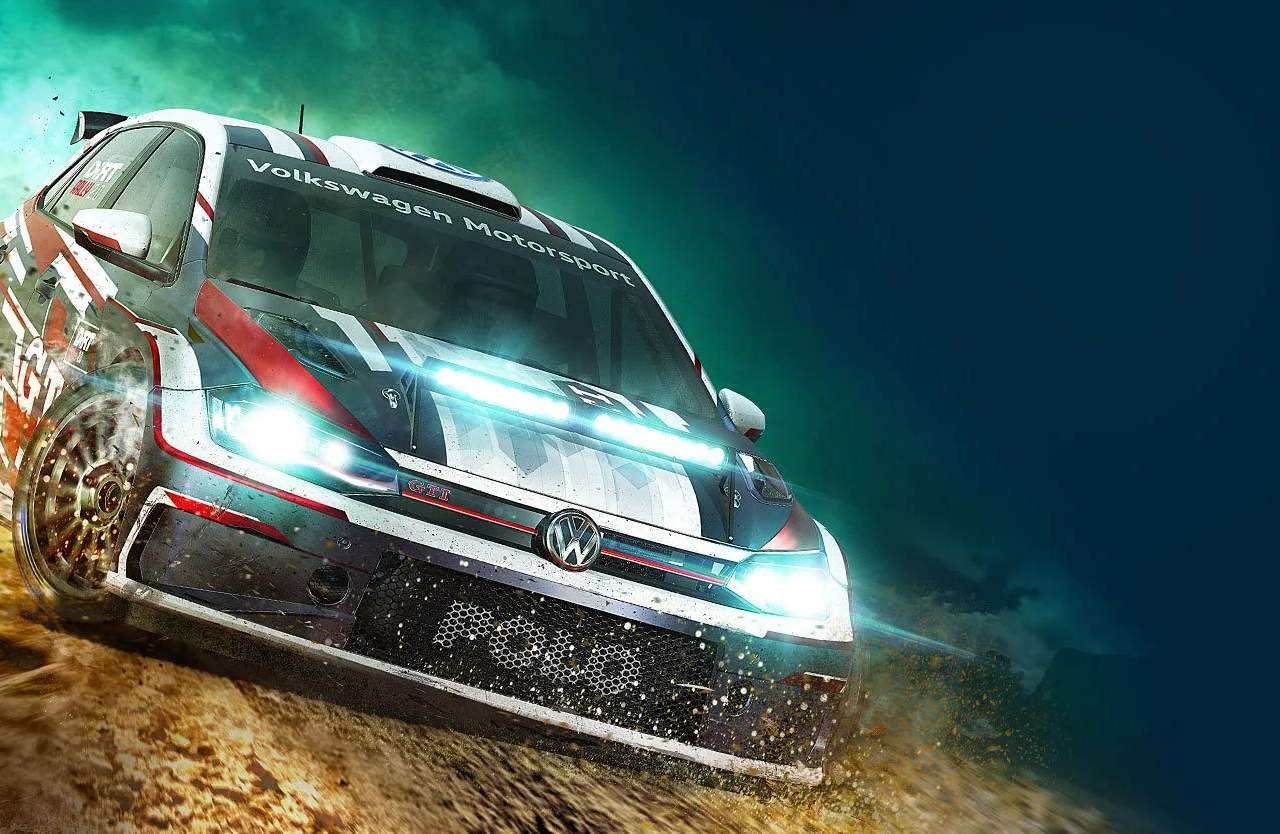
- AWD (All-Wheel Drive): Offers the best all-around traction and stability. Can be driven aggressively, but still requires respect for momentum and grip limits. Often the fastest choice for most stages. Examples: Subaru Impreza 2001, Volkswagen Polo GTI R5.
- Suspension Setup: Softer suspensions absorb bumps better but can lead to more body roll and less precise steering. Stiffer setups offer sharper response but can be jarring on rough terrain and reduce grip over uneven surfaces.
- Tire Compound & Wear: The chosen tire compound (Soft, Medium, Hard, Wet) dramatically affects grip. Soft tires offer maximum grip but wear quickly. Hard tires last longer but provide less grip. Tire wear over a long stage will progressively reduce grip and alter handling, often leading to increased understeer or oversteer depending on the car and surface.
- Aerodynamics: While less pronounced than in circuit racing, some cars (especially modern R5 and Group A) benefit from aerodynamic downforce, providing more grip at higher speeds. This can make them feel more planted in fast corners.
Actionable Steps to Understand and Adapt
Don't just pick a car and hope for the best. Follow these steps to truly grasp its handling:
- use Freeplay & Custom Events:
- Location: Navigate to the "Freeplay" menu from the main screen.
- Strategy: Select a single car and several stages with different surfaces (e.g., Argentina - Las Juntas for gravel, Poland - Czarny Las for tarmac/gravel mix, New Zealand - Te Awanga for fast, flowing gravel). Drive the same car repeatedly on these stages. Pay attention to how it behaves under braking, cornering, and acceleration on each surface.
- Item: Experiment with different tire compounds (available in the pre-stage service area) to feel the grip differences.
- Analyze Telemetry Data:
- Location: After completing a stage in Freeplay or a Custom Event, select "Replay" and then "Telemetry."
- Strategy: Observe key metrics like throttle input, brake pressure, steering angle, and tire grip. Pay close attention to moments where you lose control. Did the front tires lose grip (understeer)? Did the rear tires break away (oversteer)? This visual feedback is invaluable for identifying specific handling traits.
- Item: Focus on the "Grip Circle" and individual tire grip readings to understand where traction is being lost.
- Experiment with Tuning Setups:
- Location: In the pre-stage service area, select "Car Setup."
- Strategy: Make small, incremental changes to specific tuning parameters and test them immediately on the stage. Don't change too many things at once, or you won't know what had an effect.
- Differential: Adjusting the differential lock can significantly impact how the car turns in and puts power down. More lock generally means more stability but can induce understeer.
- Suspension (Springs & Dampers): Stiffening the front springs can reduce understeer, while stiffening the rear can reduce oversteer. Play with rebound and bump settings to control body movement.
- Brake Bias: Shifting brake bias forward increases front braking power, potentially reducing rear-end instability under braking. Shifting it rearward can help rotate the car into corners.
- Item: use the "Test Drive" option within the service area to quickly evaluate setup changes without committing to a full stage.
- Watch Replays from Top Drivers:
- Location: In the "Leaderboards" section, select a stage and view replays of the fastest drivers.
- Strategy: Observe their lines, throttle and brake inputs, and how they manage their car's specific handling characteristics. Pay attention to how they recover from slides or use the car's momentum. This can reveal advanced techniques for specific vehicles.
- Item: Focus on drivers using the same car model you are trying to master.
By systematically applying these steps, you'll move beyond simply driving and begin to truly understand and exploit the unique handling characteristics of every car in your garage, transforming your stage times and overall enjoyment of Dirt Rally 2.0.