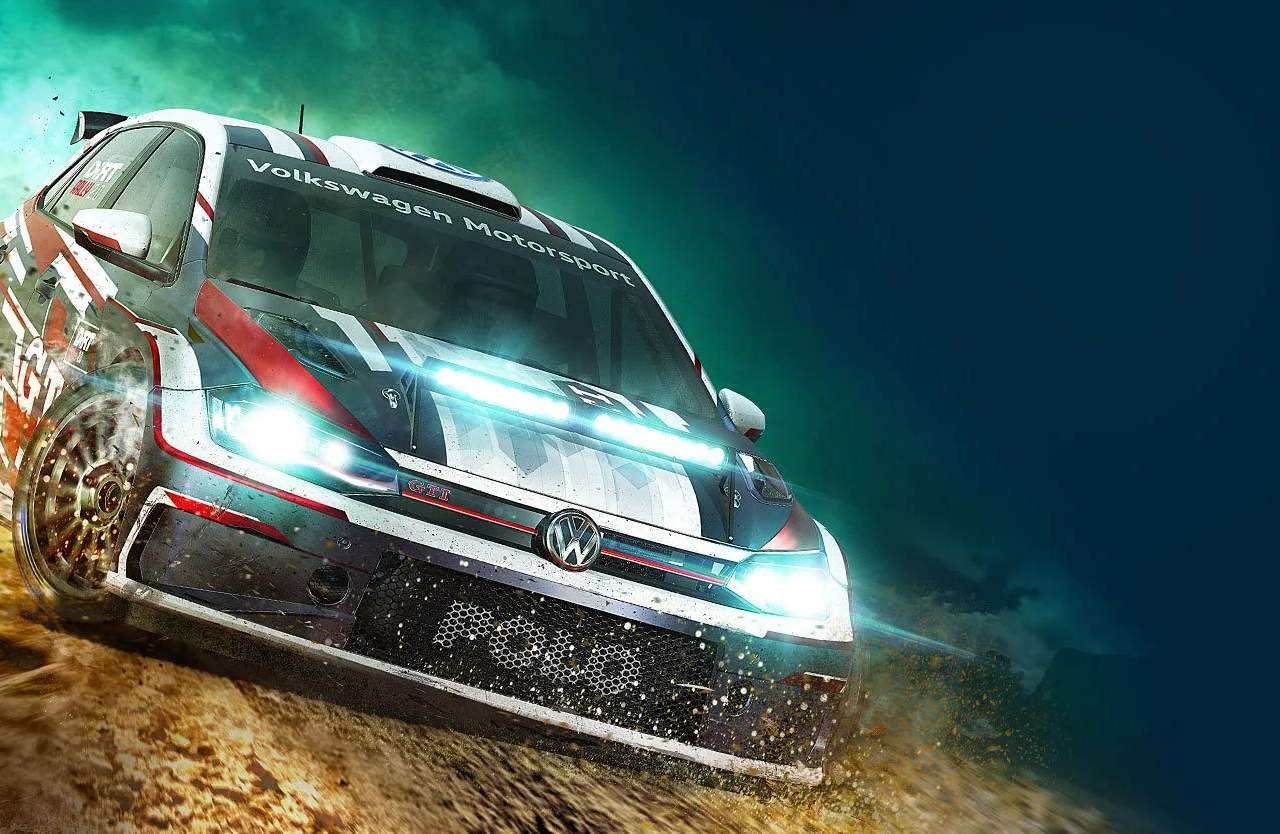
Wales Rally - Stage 11: 'Dyfi Forest - Short'
Welcome to Stage 11 of the Wales Rally, 'Dyfi Forest - Short'. This stage, while shorter than some, packs a sificant punch with its notoriously slippery tarmac and challenging gradients. Wales is known for its unforgiving, often wet, asphalt that can feel like ice when pushed too hard. Precision and a deep understanding of grip are essential here.
The 'Dyfi Forest - Short' stage is characterized by its narrow, winding tarmac roads that snake through dense woodland. The trees lining the track create a claustrophobic atmosphere and offer little forgiveness for off-road excursions. Expect a lot of blind crests and sudden changes in elevation that can easily unsettle your car. The tarmac itself is often covered in a fine layer of mud and debris, especially in the braking zones and apexes of corners, sificantly reducing grip. A key section to watch out for is the infamous 'Devil's Elbow' (a fictional, but representative, name for a particularly nasty hairpin) which often tightens unexpectedly and is usually coated in mud. Another challenge is the 'Forest Wall' – sections where the track runs perilously close to steep embankments or dense trees, leaving no room for error. Drivers often struggle with maintaining momentum through the slower, tighter sections, leading to frustration. The trick is to be smooth with your throttle and braking inputs, and to anticipate where the grip will be.
Key Sections and Tactics for 'Dyfi Forest - Short':
- Forest Entrance: Start with caution, as the initial corners are often the slipperiest. Focus on smooth throttle application.
- 'Devil's Elbow' and Hairpins: These require a well-timed handbrake and a controlled throttle to avoid spinning out.
- Blind Crests: Be prepared to react quickly. Short, controlled braking or throttle lifts can help settle the car.
- 'Forest Wall' Sections: Maintain a clean racing line and avoid clipping the edges of the track.
Recommended Car Setup Adjustments:
- Tires: Soft compound tarmac tires are essential for maximizing grip.
- Suspension: A stiffer suspension setup can help with responsiveness on the tarmac, but don't make it too harsh to avoid skipping over bumps.
- Differential: A more open differential can help with traction out of slower corners, but a slightly more locked one can improve stability on fast straights.
This stage is a true test of your ability to drive on the limit of adhesion. Focus on consistency, learn the braking points, and try to carry as much speed as possible through the flowing sections. Patience and precision will be your greatest allies.