
Rising Through the Ranks: National & Professional
The transition from Clubman and Open tiers to National and Professional championships in Dirt Rally 2.0 marks a significant escalation in difficulty and demands a more strategic, comprehensive approach to your rally career. The competition becomes fiercer, the stages more unforgiving, and the margins for error shrink dramatically. To truly excel, you'll need to move beyond basic driving and embrace advanced vehicle management, team development, and nuanced driving techniques.
Strategic Investments: Vehicles, Facilities, and Personnel
Your garage and team are the backbone of your success. As you climb the ranks, simply owning a car isn't enough; you need the right cars, maintained by the best team, in top-tier facilities.
Vehicle Acquisition & Prioritization
While you might have found success with Group A or R2 cars in lower tiers, National and Professional events often feature more powerful and demanding machinery. Your investment strategy should focus on:
- R5 Class (Rally2): These are the workhorses of the professional rally scene. Cars like the Skoda Fabia R5, Volkswagen Polo GTI R5, and Ford Fiesta R5 MkII offer incredible performance, advanced aerodynamics, and sophisticated suspension systems. They are a significant step up in speed and handling from Group A. Prioritize acquiring at least one competitive R5 car.
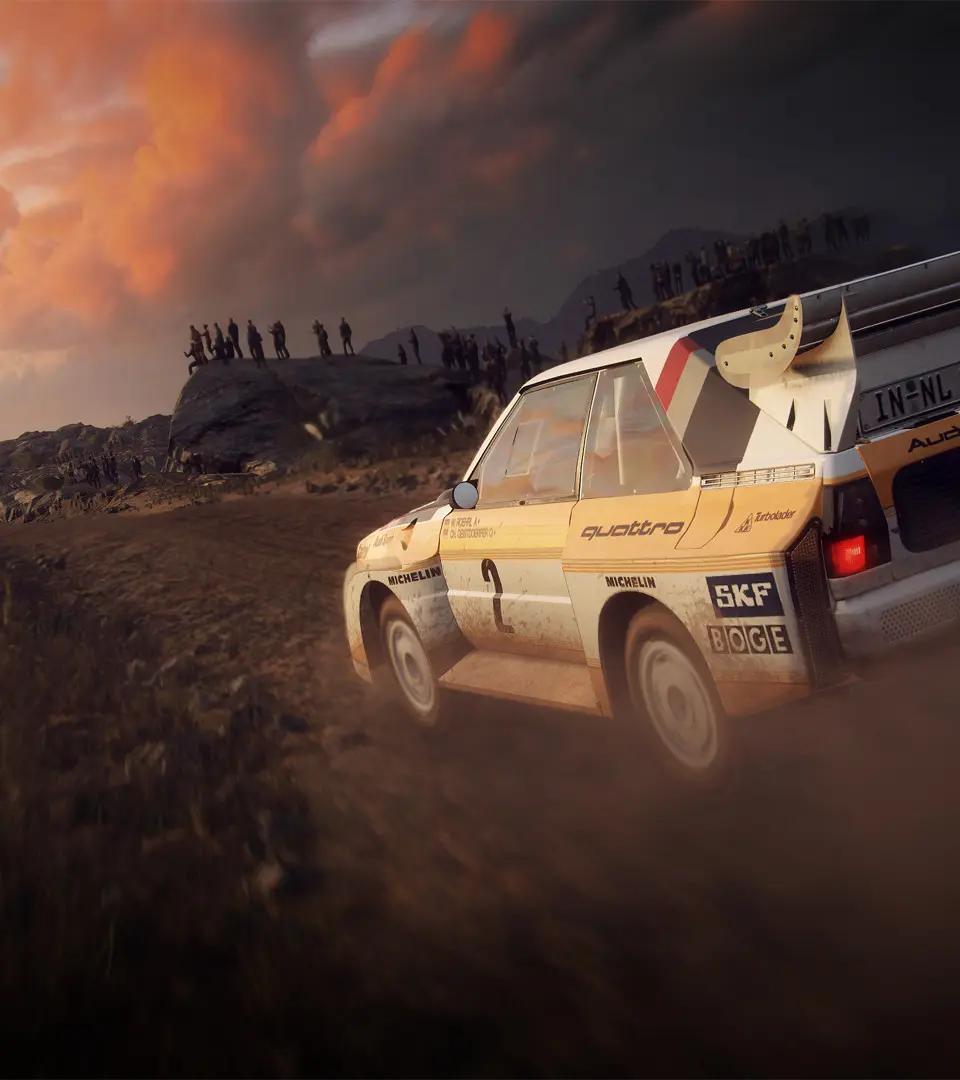
- Group B (4WD): While notoriously difficult to master due to their immense power and lack of driver aids, Group B cars like the Audi Sport Quattro S1 E2 or Peugeot 205 T16 Evo 2 can be incredibly rewarding and often feature in specific historic events at higher tiers. Master them for a unique challenge and potential high rewards.
- Upgrades: Don't just buy new cars; invest in their performance upgrades. Navigate to the "Service" tab in your garage, then select "Upgrades." Focus on engine, gearbox, and suspension upgrades first, as these directly impact performance and handling. Reliability upgrades are also crucial to prevent costly mid-stage failures.
Team Facility Upgrades
Your facilities directly impact your team's efficiency and the overall health of your vehicles. Prioritize these upgrades:
- Service Area (Level 3-4): This is paramount. Higher levels reduce repair times, increase the number of parts your engineers can carry, and improve the quality of repairs. This means less time spent in service zones and a lower chance of mechanical issues.
- Engineering Bay (Level 2-3): Improves the effectiveness of your engineers, leading to better vehicle performance and reliability over time. It also unlocks more advanced tuning options.
- Logistics (Level 2): While not directly impacting performance, better logistics reduce travel costs and can slightly increase sponsor payouts, freeing up more funds for crucial vehicle and engineer investments.
Hiring Skilled Engineers
Your engineers are your lifeline. They perform repairs, offer setup advice, and contribute to your car's overall performance. When hiring, look for specific skills:
- Repair Speed: Essential for minimizing service time penalties. Engineers with high "Bodywork," "Engine," and "Suspension" repair speeds are invaluable.
- Reliability Bonus: Engineers who offer a reliability bonus can significantly reduce the wear and tear on your components, preventing DNF (Did Not Finish) situations due to mechanical failure.
- Setup Expertise: Some engineers offer bonuses to specific car setups (e.g., "Gravel Setup Expert"). While not critical early on, these can fine-tune your performance on specific surface types.
- Specialists: As you progress, you'll find engineers with specializations like "Tyre Management" or "Brake System Expert." These can provide marginal but crucial gains.
Always review your engineers' contracts and consider replacing lower-skilled personnel with higher-tier options as your budget allows. A balanced team of fast repairers and reliability specialists is ideal.
Mastering Advanced Car Setups
Gone are the days of default setups. National and Professional stages demand bespoke tuning for optimal performance. Access your car's setup menu in the service area before a stage.
- Suspension:
- Spring Stiffness: Softer for bumpy, rough stages (e.g., Greece, Argentina) for better traction. Stiffer for smooth, high-speed stages (e.g., Spain, Poland) for better stability and responsiveness.
- Dampers (Bump/Rebound): Adjust these to control how quickly the suspension compresses (bump) and extends (rebound). Faster bump/rebound for quick weight transfer on technical stages; slower for stability on high-speed sections.
- Ride Height: Higher for rough terrain to avoid damage; lower for smooth surfaces to improve aerodynamics and lower the center of gravity.
- Differential:
- Front/Centre/Rear Bias: Adjust power distribution. More rear bias for oversteer (easier to rotate the car); more front bias for understeer (more stable).
- Locking: Higher locking provides more traction but can make the car harder to turn. Lower locking allows for easier rotation but can lead to wheelspin.
- Brakes:
- Brake Bias: Shift braking power between front and rear. More front bias for stability; more rear bias for easier trail braking and rotation.
- Brake Pressure: Higher pressure means stronger brakes but increases the risk of locking up.
- Gear Ratios:
- Short Gearing: Faster acceleration, lower top speed. Ideal for technical, twisty stages.
- Long Gearing: Slower acceleration, higher top speed. Best for stages with long straights.
Actionable Tip: Before each rally, check the stage surface and weather conditions. Start with a recommended community setup (many forums and YouTube channels offer excellent base setups) and then fine-tune it during the shakedown or first few stages. Pay attention to your co-driver's calls about grip and car behavior.
Refining Driving Techniques for Higher Tiers
Raw speed is no longer enough; precision, consistency, and adaptability are paramount.
- Advanced Weight Transfer:
- Scandinavian Flick (Braking Drift): Essential for tight, low-speed corners, especially on loose surfaces. Briefly turn away from the corner while braking to unsettle the car, then turn sharply into the corner, using the car's momentum to rotate it.
- Trail Braking: Maintain light brake pressure as you turn into a corner. This keeps weight on the front wheels, improving steering response and allowing you to carry more speed through the apex.
- Throttle Control & Traction Management:
- Feathering the Throttle: On loose surfaces, avoid mashing the throttle. Gently apply power to maintain traction and prevent excessive wheelspin, which wastes time.
- Left-Foot Braking: If using a wheel and pedals, practice left-foot braking. This allows you to modulate the brakes while keeping your right foot on the throttle, helping to control weight transfer and maintain turbo boost.
- Pace Notes Mastery:
- Anticipation: Don't just react to the co-driver; anticipate the calls. Look ahead on the road and mentally prepare for upcoming corners and hazards.
- Customization: If you find certain calls unclear, you can adjust the pace note settings in the audio options to suit your preference (e.g., earlier calls, different terminology).
- Damage Management:
- Smoothness: Aggressive driving leads to damage. Aim for smooth inputs, avoiding unnecessary bumps and scrapes. Even minor damage to steering or suspension can severely impact your stage times.
- Prioritize Repairs: In service, always prioritize critical repairs (engine, gearbox, steering, suspension, tires) over cosmetic damage.
Maintaining Consistency Under Pressure
The higher the stakes, the greater the pressure. A single mistake can cost you a rally.
- Practice, Practice, Practice: Re-run challenging stages in Freeplay mode. Focus on specific sections where you lose time or make mistakes.
- Mental Fortitude: Don't let a bad stage derail your entire rally. Reset your focus, analyze what went wrong, and approach the next stage with renewed determination.
- Know Your Limits: Pushing 100% on every corner is a recipe for disaster. Learn when to attack and when to back off slightly to ensure you finish the stage cleanly. A slightly slower but clean run is always better than a DNF or significant damage.
- Watch Replays: Analyze your own driving. Identify areas where you could have taken a better line, braked later, or applied throttle more effectively. Watch top players' replays to learn their techniques.
By meticulously managing your team, fine-tuning your vehicles, and honing your driving skills, you'll be well-equipped to conquer the demanding National and Professional tiers of Dirt Rally 2.0 and cement your legacy as a rally legend.