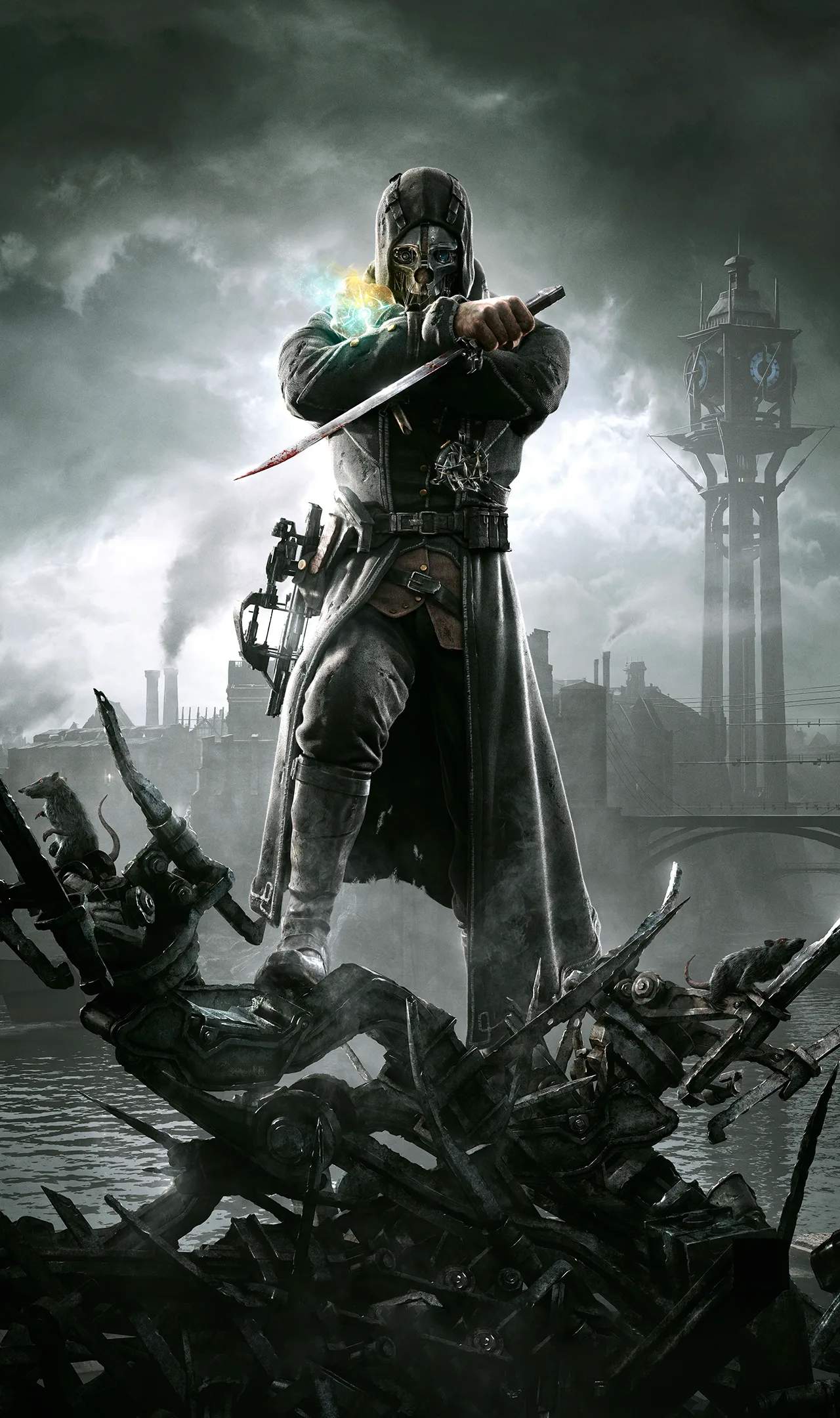
Chaos System Impact on World & Story
The Chaos System in Dishonored is a dynamic mechanic that directly reflects the player's actions and their impact on the world of Dunwall. Every life taken, every alarm raised, and every hostile encounter contributes to either a High Chaos or Low Chaos state. This system isn't just a score; it fundamentally alters the game's atmosphere, the behavior of its inhabitants, and ultimately, the narrative's conclusion.
In a Low Chaos playthrough, the city of Dunwall remains relatively subdued. While still a grim and oppressive place, the streets are less patrolled, fewer guards are present, and the general populace exhibits a more hopeful demeanor. The narrative will reflect this more peaceful approach, with characters reacting to Corvo's actions with gratitude and admiration. The ending cinematic will showcase a Dunwall that, while still scarred, has a chance at recovery and a brighter future, largely due to Corvo's restraint.
Conversely, a High Chaos playthrough plunges Dunwall into a state of utter despair and terror. The streets become swarming with guards, Tallboys are more prevalent, and the citizens live in constant fear. Rats become more numerous, and the overall environment becomes more hostile and visually darker. The narrative will mirror this descent into madness, with characters becoming more desperate and cynical. The ending cinematic will depict a Dunwall consumed by plague and tyranny, a direct consequence of Corvo's violent and destructive path.
The Chaos System also influences the availability of certain items and the dialogue of key characters. For instance, in High Chaos, Piero might have more potent, albeit darker, wares, and Emily Kaldwin's demeanor will shift from innocent child to a more hardened individual. The very fabric of the world seems to react to Corvo's choices, making each playthrough feel distinct and personal. Understanding this system is crucial for players who wish to experience the full spectrum of Dishonored's narrative and world-building.