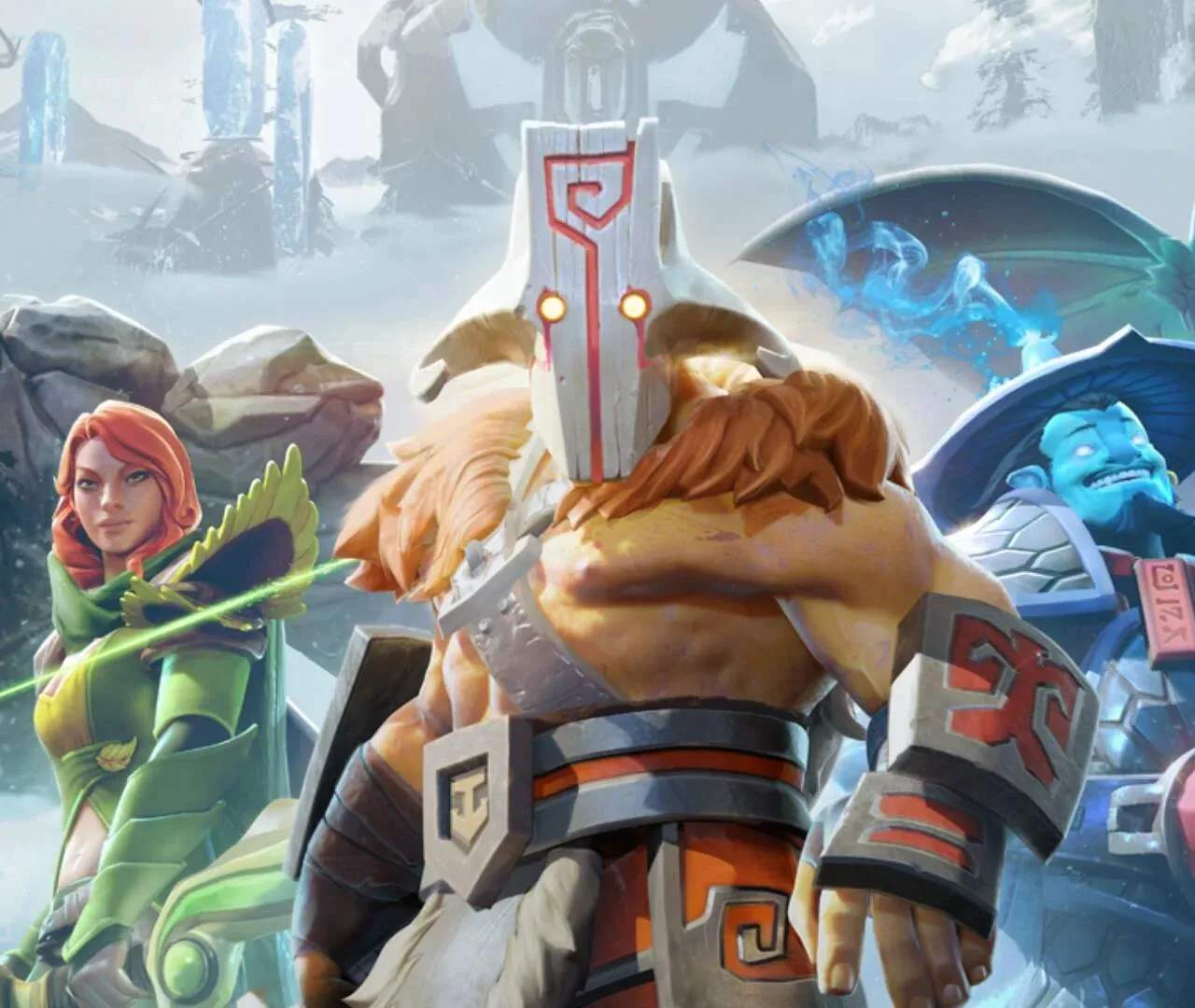
The Basics of MOBA Games — Dota 2 Walkthrough
Dota 2 is a prime example of a Multiplayer Online Battle Arena (MOBA) game, a genre that has captivated millions worldwide. At its core, a MOBA involves two teams of players battling on a symmetrical map, each controlling a powerful 'Hero' with unique abilities. The ultimate goal is to destroy the enemy team's main structure, known as the 'Ancient'.
The Dota 2 map is divided into two sides, Radiant and Dire, separated by a river. Three main 'lanes' connect the bases: the top lane, middle lane, and bottom lane. Along these lanes are defensive towers that attack enemy units. Between the lanes lies the 'jungle', populated by neutral creeps that can be farmed for gold and experience. The river contains 'runes' that provide temporary buffs.
Each player selects a unique 'Hero' from a vast roster, each possessing four distinct abilities. These heroes fall into various archetypes, such as Carries (late-game damage dealers), Supports (assistants and crowd controllers), Initiators (heroes who start fights), and Nukers (spellcasters with high burst damage).
The primary resource in Dota 2 is 'gold', earned by last-hitting enemy creeps and neutral monsters, destroying towers, and killing enemy heroes. Gold is used to purchase items that enhance your hero's stats, grant new abilities, or provide utility. 'Experience' is gained passively and by being near dying enemy units, which allows your hero to level up and improve their abilities.
Key Gameplay Mechanics:
- Last Hitting: Delivering the killing blow to an enemy creep or neutral monster to gain gold. This is a fundamental skill.
- Denying: Killing your own allied creeps when they are low on health to prevent the enemy from gaining gold and experience.
- Creep Equilibrium: Managing where the allied and enemy creep waves meet in the lane.
- Map Awareness: Constantly checking the minimap to track enemy movements and potential threats.
- Team Fights: Coordinated battles between multiple heroes from both teams.
- Objectives: Towers, Roshan (a powerful neutral monster), and ultimately the Ancient.
The Flow of a Dota 2 Match:
- Laning Stage (Early Game): Heroes are assed to lanes (usually 1-1-1 or 2-1-2 setups) to farm gold and experience, harass enemies, and secure early objectives.
- Mid Game: Heroes have acquired key items and are beginning to group up for team fights and objective pushes. Rotations and ganks become more frequent.
- Late Game: Heroes are fully itemized and incredibly powerful. Team fights become decisive, and the game often culminates in a final push for the enemy Ancient.
Dota 2's complexity lies in the vast number of heroes, items, and interactions. Understanding hero roles, item builds, and strategic decision-making is crucial for success. This guide will delve deeper into these aspects, but the core concept of MOBA games remains consistent: teamwork, strategy, and skillful execution to achieve victory.