Hero Build Guides
Hero build guides are indispensable tools for any Dota 2 player seeking to optimize their hero's performance. They go beyond simply explaining abilities and delve into the crucial aspects of itemization and talent selection, tailoring these choices to specific game scenarios and hero roles. A well-crafted build guide can transform a hero's potential, turning a struggling player into a formidable force.
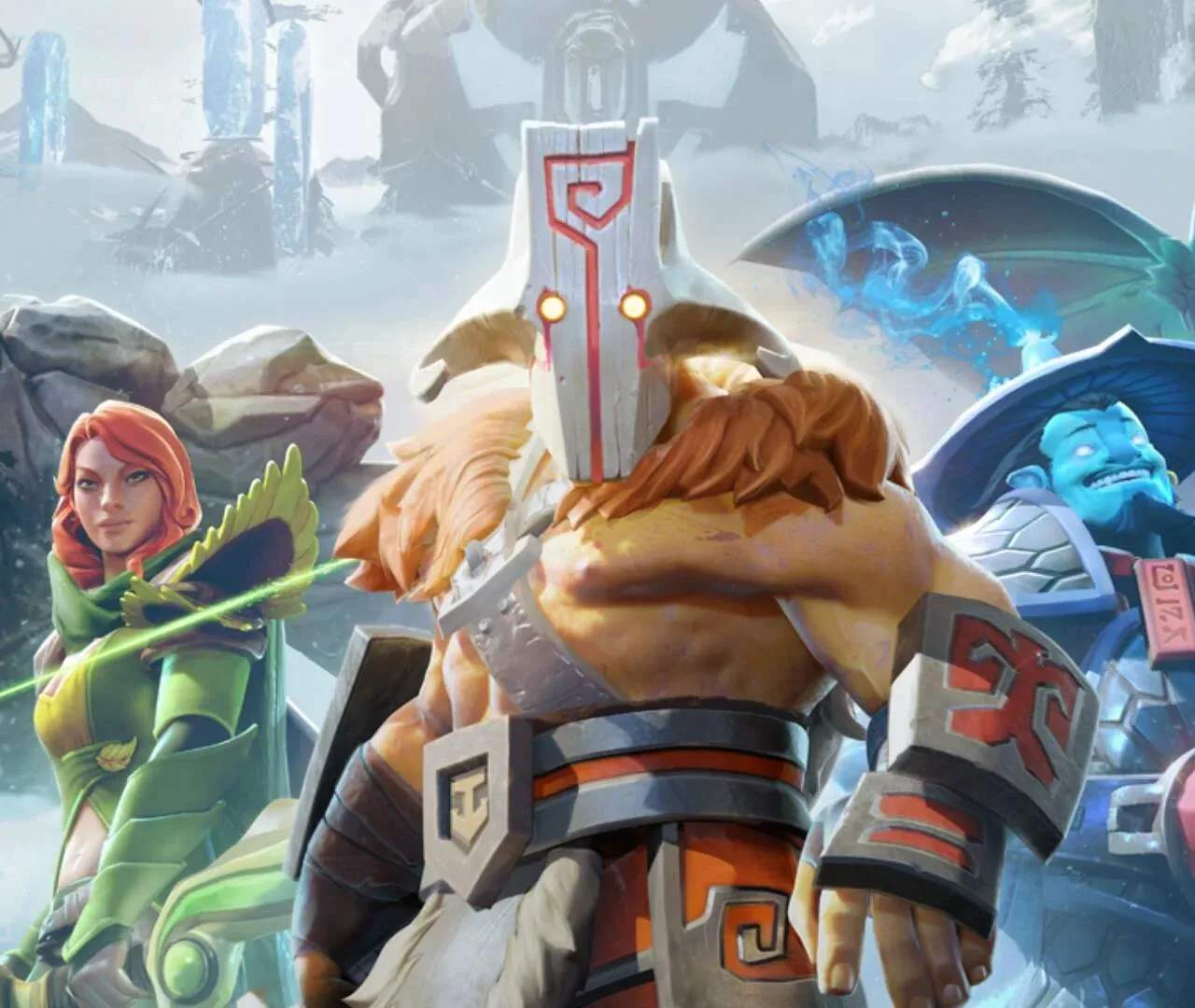
The foundation of a hero build guide is understanding the hero's core role and their primary attribute (Strength, Agility, or Intelligence). However, a good guide recognizes that a hero's role can be flexible. For example, a hero like Windranger can be played as a core damage dealer or a support, and the build guide will reflect these different playstyles. The guide will typically outline the most common and effective builds for each role.
Itemization is a cornerstone of any build guide. It will detail a recommended sequence of items, starting with early-game essentials like starting items and boots. It then progresses to core items that are crucial for the hero's function, such as a Blink Dagger for initiation heroes like Magnus, or a Black King Bar for heroes vulnerable to magic damage like Sven. The guide will also discuss situational items, explaining when to deviate from the standard build. For instance, if the enemy team has heavy magic damage, a guide for Phantom Assassin might suggest prioritizing a Linken's Sphere over a traditional damage item.
Talent Trees are another critical component. Dota 2 heroes gain talent points at levels 10, 15, 20, and 25, offering choices that significantly alter their abilities or provide passive bonuses. Build guides will recommend specific talent choices for each tier, explaining the reasoning behind them. For example, a guide for Lina might suggest taking the +Damage talent at level 10 for more burst, but the +Attack Speed talent at level 25 for sustained damage in longer fights. These choices are often dependent on the overall team composition and the enemy's threats.
Build guides also often include skill build recommendations, though these are usually more flexible than item builds. They will suggest a general order for leveling abilities, prioritizing those that are most impactful for the hero's role and the current game stage. For example, a support support Lion might prioritize his Hex and Earth Spike for disables, while a core Lion might focus on his Mana Drain for sustain and his ultimate for damage.
Furthermore, advanced build guides may touch upon synergies with other heroes and counter-itemization. Understanding which items complement your allies' abilities or counter specific enemy heroes is a hallmark of high-level play. A guide might suggest that if your team has a strong initiator, you might focus on damage items, whereas if you are the primary initiator, you might prioritize utility items like Force Staff or Glimmer Cape.
Ultimately, hero build guides are not rigid doctrines but rather frameworks. The best players adapt their builds based on the unique circumstances of each match. However, these guides provide an invaluable starting point, equipping players with the knowledge to make informed decisions about item and talent choices, thereby maximizing their hero's potential and contributing more effectively to their team's success.
| Build Component | Description | Example |
|---|---|---|
| Starting Items | Early game sustain and stat boosts. | Tango, Quelling Blade |
| Core Items | Essential items for hero function. | Blink Dagger, Black King Bar |
| Situational Items | Items chosen based on enemy lineup or game state. | Force Staff, Ghost Scepter |
| Talents | Level-based choices to enhance abilities or stats. | +Damage, +Attack Speed, +Mana Regen |
| Skill Build | Order of leveling abilities. | Prioritize disables or damage spells. |