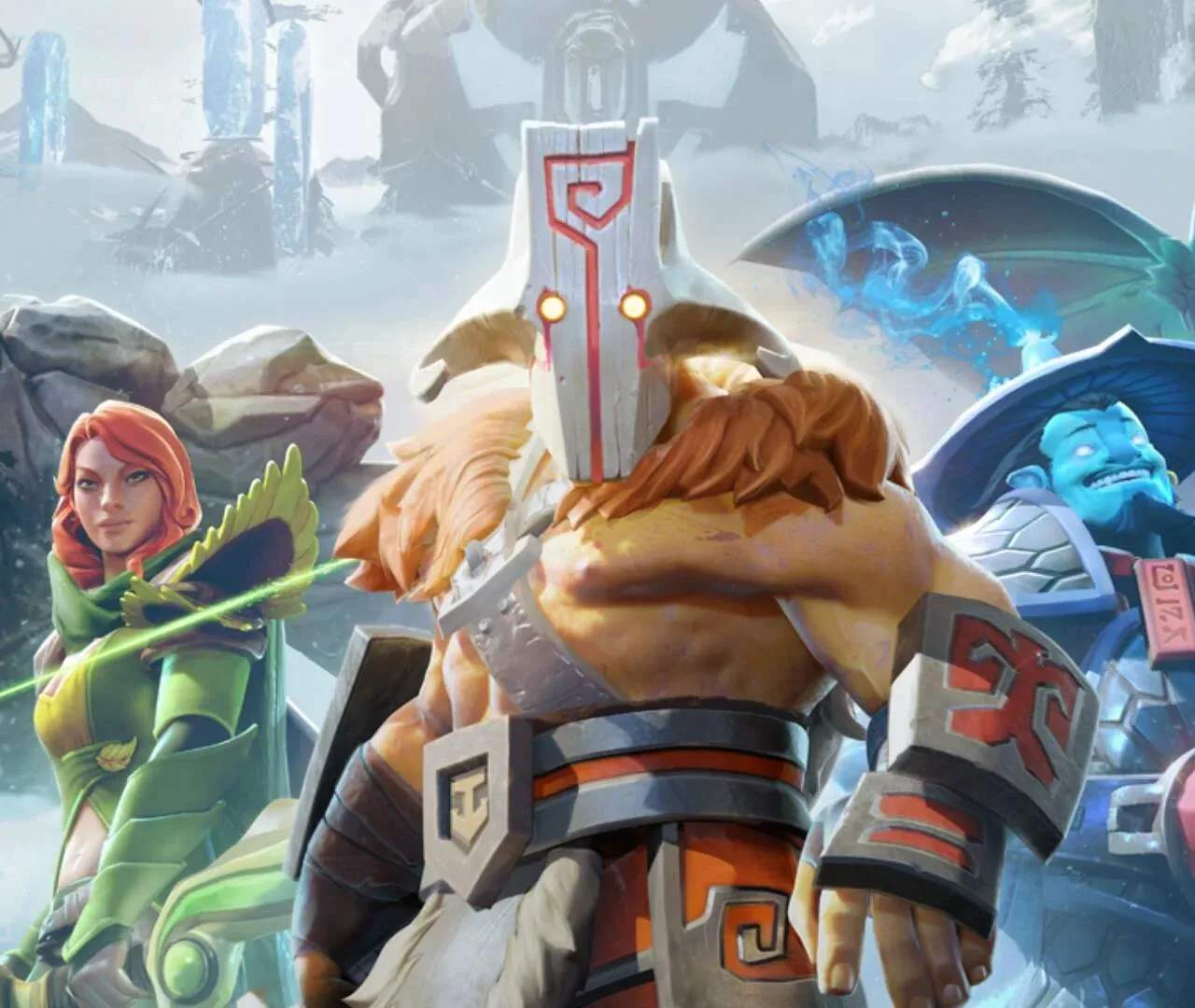
Hero Fundamentals
Understanding the fundamental aspects of heroes is the bedrock of success in Dota 2. Each hero possesses unique strengths, weaknesses, abilities, and roles that dictate how they should be played and what their impact will be on the game. the core concepts that define every hero.
Whether you're picking a hero for the first time or trying to counter an opponent, grasping these fundamentals will provide a solid foundation. We'll explore attributes, roles, abilities, and how these elements combine to create a hero's identity and playstyle.
Hero Attributes:
Every hero in Dota 2 belongs to one of three primary attribute categories: Strength, Agility, or Intelligence. These attributes influence a hero's base stats and how they gain stats as they level up.
- Strength: Primarily increases a hero's Health and Health Regeneration. Strength heroes are typically durable front-liners.
- Agility: Primarily increases a hero's Attack Speed and Armor. Agility heroes often excel at dealing physical damage and are typically ranged carries.
- Intelligence: Primarily increases a hero's Mana and Mana Regeneration. Intelligence heroes usually rely on spells for damage and utility.
Each hero also gains a small bonus to their primary attribute with each level. For example, an Agility hero will gain +1 Agility per level, increasing their base Agility gain.
Hero Roles:
Heroes are often categorized into roles based on their primary function within a team. While these are general guidelines, many heroes can be played in multiple roles depending on the game situation and itemization.
- Carry (Position 1): The primary damage dealer who scales with items and levels. They typically farm heavily in the early game and become the team's main threat in the late game.
- Mid Laner (Position 2): Usually a solo laner who needs to gain levels and farm quickly to impact the mid-game. They often have high burst damage or strong ganking potential.
- Offlaner (Position 3): A durable hero who disrupts the enemy carry's farm and provides utility or initiation for the team in the mid-game.
- Soft Support (Position 4): A versatile role that can roam, gank, and provide utility. They often build utility items and can transition into a semi-carry if needed.
- Hard Support (Position 5): The most selfless role, focused on protecting the carry, providing vision, and setting up kills. They typically have limited farm and prioritize support items.
Abilities:
Each hero has four unique abilities: three basic abilities and one ultimate ability. These abilities define a hero's playstyle and impact. Understanding the cooldowns, mana costs, and effects of each ability is crucial for effective play.
- Passive Abilities: Abilities that are always active and do not require activation.
- Active Abilities: Abilities that must be manually cast by the player.
- Ultimate Abilities: Typically the most powerful abilities, with longer cooldowns and often game-changing effects.
Talent Trees:
At specific levels (10, 15, 20, and 25), heroes gain access to talent choices. These talents offer sificant stat bonuses or unique effects that can further customize a hero's build and playstyle, allowing for adaptation to different game situations.
By internalizing these hero fundamentals, you'll be better equipped to understand hero matchups, make informed item and skill build decisions, and contribute effectively to your team's success.