Hero-Specific Guides (Categorized)
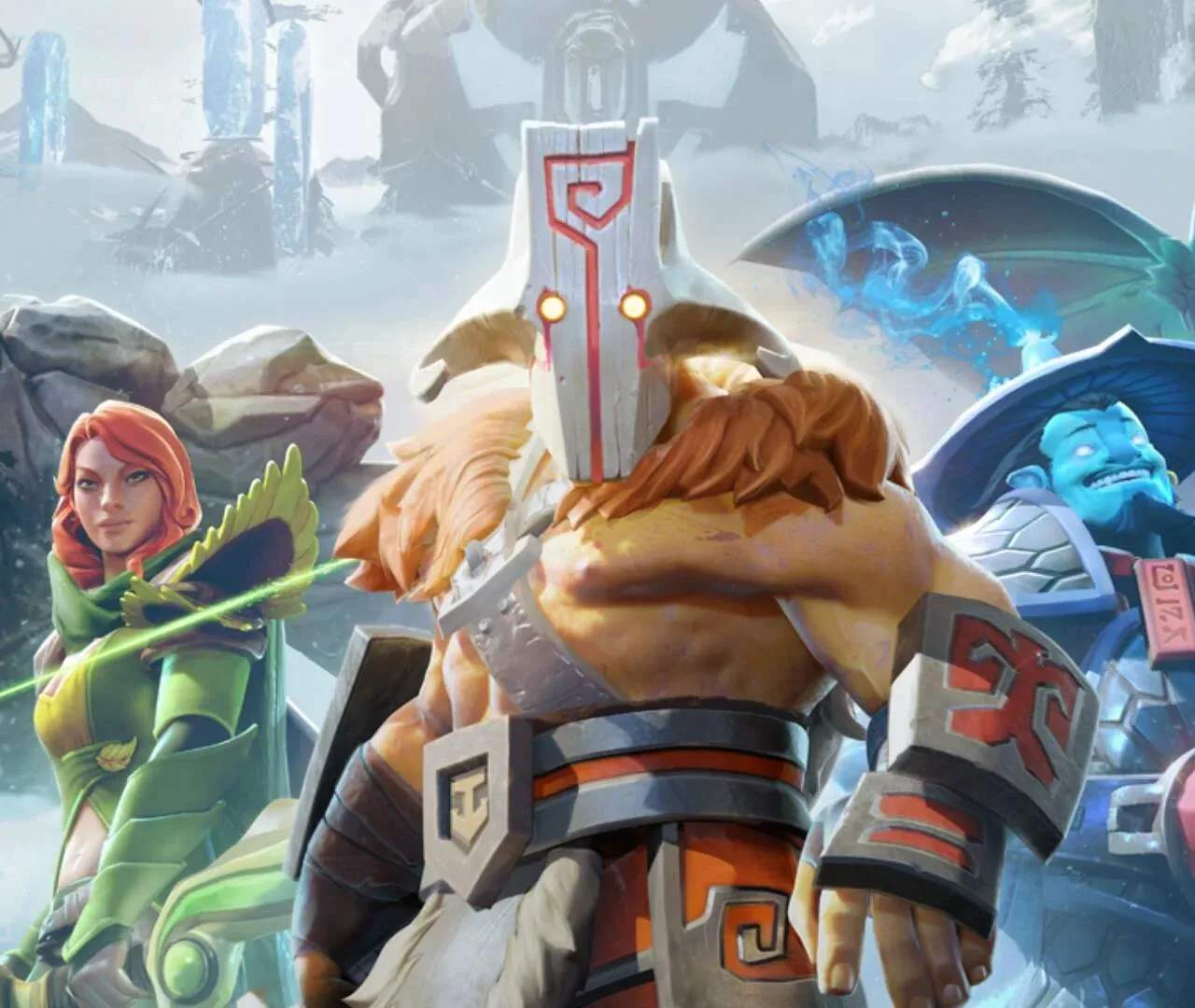
Dota 2 boasts a diverse roster of over 120 heroes, each with unique abilities, strengths, and weaknesses. This section provides a categorized overview of hero-specific guides, helping you understand the roles and playstyles associated with different hero archetypes. Whether you're a new player trying to grasp the basics or an experienced player looking to refine your understanding of specific heroes, this guide will offer valuable insights.
Heroes in Dota 2 can broadly be categorized by their primary role and their typical position on the map. These categories are not rigid, as many heroes can be played in multiple roles, but they provide a useful framework for understanding hero functions.
Carry Heroes (Position 1)
Carries are heroes who typically start weak but scale incredibly well into the late game. Their primary goal is to farm gold and experience safely in the early to mid-game, accumulating powerful items that allow them to dominate teamfights and end the game. They are usually played in the safe lane.
- Examples: Anti-Mage, Phantom Assassin, Spectre, Medusa, Sven.
- Key Attributes: High physical damage potential, often with abilities that enhance their farming or combat prowess.
- Playstyle: Farm-intensive, prioritize survival in early fights, become the primary damage dealer in late-game engagements.
Mid Lane Heroes (Position 2)
Mid lane heroes are typically played in the middle lane, facing off against a single opponent. They often have strong early-to-mid game impact, with abilities that allow them to gank side lanes, secure runes, and control the tempo of the game. They are crucial for setting up early advantages.
- Examples: Invoker, Storm Spirit, Queen of Pain, Puck, Shadow Fiend.
- Key Attributes: High burst damage, mobility, or crowd control. Often rely on mana.
- Playstyle: Aggressive laning, ganking side lanes, taking objectives, and participating in early teamfights.
Offlane Heroes (Position 3)
The offlane is a more challenging lane, often requiring heroes who are durable, can survive with limited farm, or have strong initiation or utility. Offlaners are typically responsible for creating space for their carries and initiating teamfights.
- Examples: Tidehunter, Axe, Centaur Warrunner, Bristleback, Timbersaw.
- Key Attributes: High survivability, strong initiation, crowd control, or the ability to disrupt enemy formations.
- Playstyle: Survive the lane, disrupt enemy farming, initiate teamfights, and provide utility.
Support Heroes (Positions 4 & 5)
Support heroes are the backbone of any team. They sacrifice their own farm and experience to enable their cores. Position 5 (hard support) is the most support-oriented, while Position 4 (soft support or roaming support) can be more active in the early game.
- Examples (Pos 5): Crystal Maiden, Dazzle, Lion, Witch Doctor, Ogre Magi.
- Examples (Pos 4): Earthshaker, Rubick, Mirana, Tusk, Pudge.
- Key Attributes: Crowd control, healing, buffs, debuffs, vision control, and utility.
- Playstyle: Ward and deward, stack camps, harass enemies, set up kills, save allies, and provide crucial utility in fights.
Universal Heroes
With the introduction of Universal heroes, this category encompasses heroes who can effectively play multiple roles and positions, often adapting their item builds and playstyle based on the game's needs. They gain stats from all attribute types.
- Examples: Pangolier, Vengeful Spirit, Hoodwink, Void Spirit, Snapfire.
- Key Attributes: Versatile stat gain, adaptable abilities.
- Playstyle: Highly flexible, can be played as cores or supports, often adapting to the team's needs.
Each hero has a unique set of abilities that define their role and impact. For instance, a hero like Faceless Void excels in teamfights with his Chronosphere ultimate, making him a strong carry or mid-game threat. Conversely, a support like Io can be played in various positions due to his tether ability, which can amplify a carry's damage or allow him to reposition with an ally.
To truly master a hero, it's recommended to delve into detailed guides for specific heroes, focusing on their skill builds, itemization paths, laning strategies, and common matchups. Understanding these hero archetypes is the first step towards building a comprehensive knowledge base of Dota 2's vast hero pool.