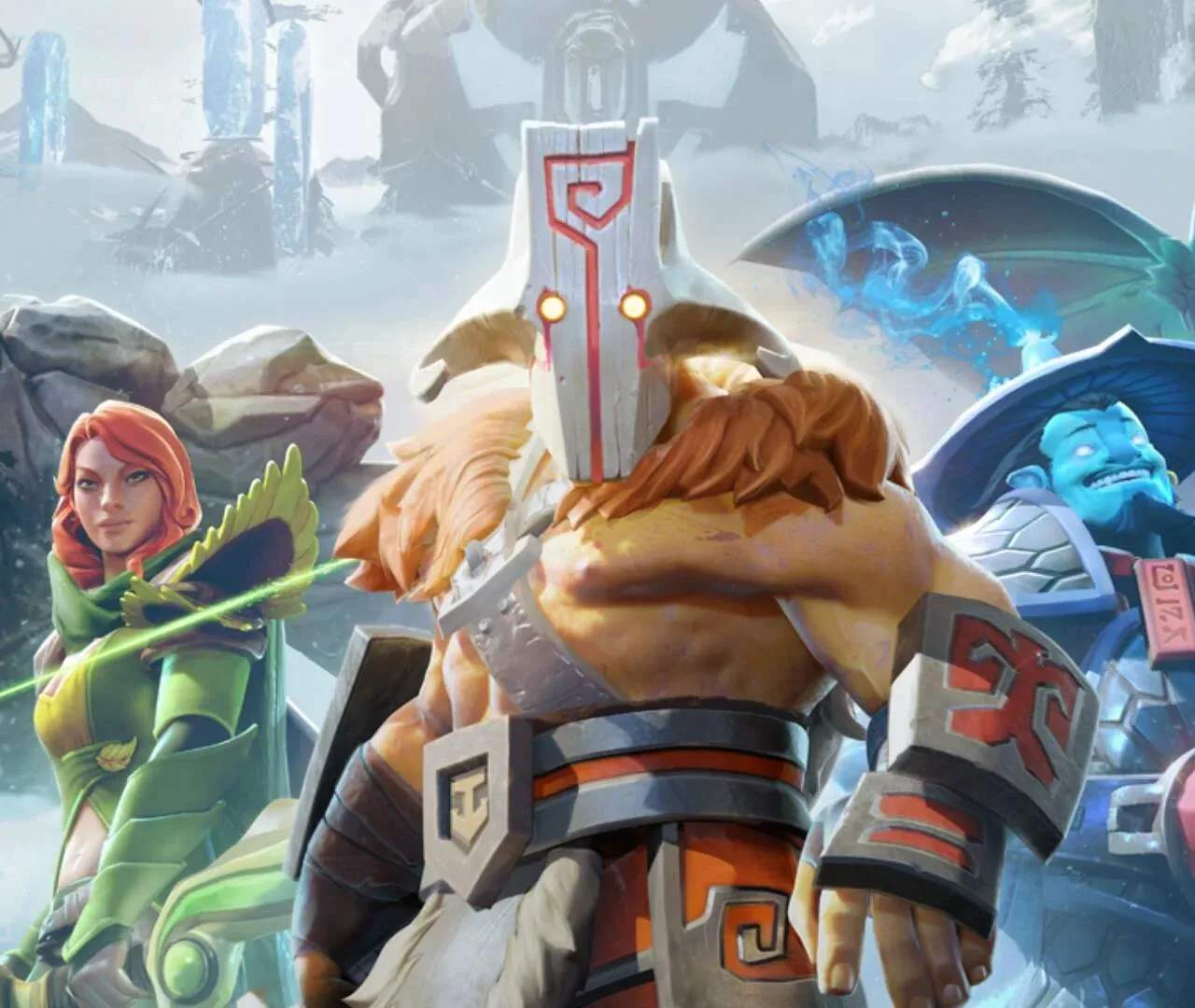
Heroes
Dota 2 boasts a vast and ever-growing roster of over 120 unique heroes, each with distinct abilities, playstyles, and roles. From powerful melee warriors to elusive spellcasters, choosing the right hero and understanding their strengths is fundamental to mastering the game.
The heart of Dota 2 lies in its diverse cast of heroes. Each hero is a meticulously crafted entity with a unique set of four abilities (and often more with Aghanim's Scepter/Shard upgrades), a primary attribute, and a distinct lore that shapes their personality and motivations. Whether you prefer to be a frontline tank, a nimble assassin, a devastating spellcaster, or a supportive guardian, there's a hero for every playstyle.
Heroes are broadly categorized by their primary attribute, which influences their base stats and how they scale:
- Strength: Heroes with Strength as their primary attribute generally have high health and health regeneration. They are often durable frontline fighters and initiators. Examples include Axe, Tidehunter, and Sven.
- Agility: Agility heroes typically have high armor and attack speed. They excel at dealing physical damage and are often the primary carries of a team. Examples include Phantom Assassin, Anti-Mage, and Drow Ranger.
- Intelligence: Intelligence heroes focus on casting spells. They have larger mana pools and mana regeneration, and their spells often deal sificant magical damage or provide utility. Examples include Lina, Invoker, and Puck.
Beyond their attributes, heroes are also defined by their roles within a team. These roles are often referred to by numbers, with Position 1 being the primary carry and Position 5 being the hard support:
- Position 1 (Carry): The hero who farms the most gold and becomes the team's primary damage dealer in the late game.
- Position 2 (Mid Laner): Typically a hero who can farm quickly and exert pressure in the mid lane, often rotating to other lanes to gank.
- Position 3 (Offlaner): A durable hero who disrupts the enemy carry's farm and creates space for their own team.
- Position 4 (Soft Support): A support who roams and creates opportunities, often with strong ganking or initiation potential.
- Position 5 (Hard Support): The support who typically stays in the safe lane with the carry, focusing on protecting them and providing vision.
Key aspects to consider when choosing a hero:
- Your Preferred Playstyle: Do you enjoy being in the thick of combat, or do you prefer to stay back and cast spells?
- Team Composition: Does your team need more damage, crowd control, or initiation?
- Enemy Composition: Are there heroes that counter your intended pick?
- Lane Matchup: How will your hero perform against the enemy heroes in your chosen lane?
Learning Heroes:
The best way to learn heroes is through practice. Start with simpler heroes and gradually explore more complex ones. Pay attention to:
- Abilities: Understand what each ability does, its cooldown, mana cost, and effective usage.
- Item Builds: Research common and effective item builds for your chosen hero.
- Talents: Learn how to utilize your hero's talent tree to adapt to different game situations.
- Matchups: Understand which heroes your chosen hero is strong or weak against.
Dota 2's hero pool is a vast ocean of strategic possibilities. Each hero offers a unique journey, and mastering them is a continuous process of learning, adaptation, and skill refinement. Experiment, find your favorites, and discover the hero that best suits your Dota 2 adventure.