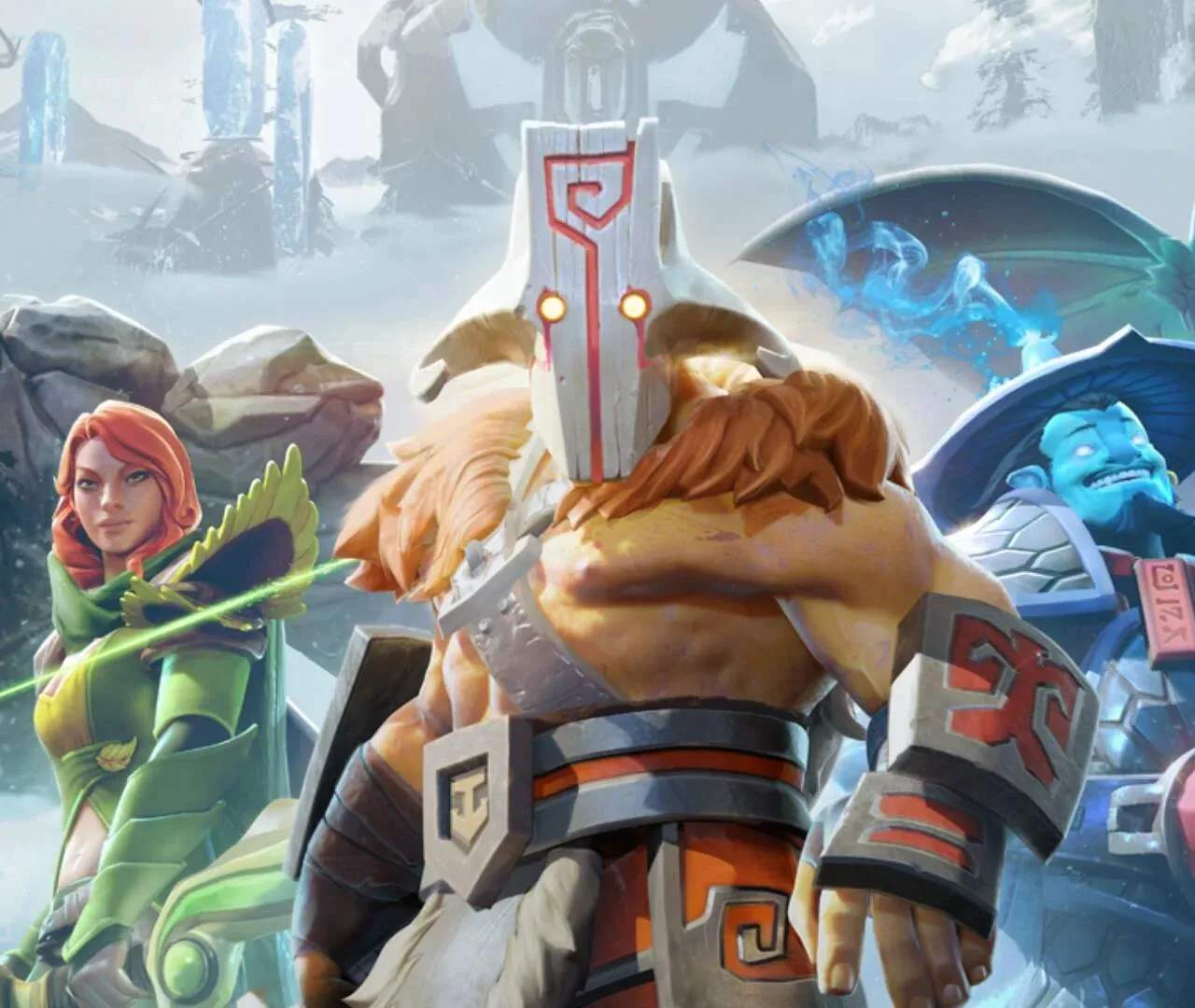
Counter-drafting is the art of selecting heroes specifically to neutralize or exploit the enemy's chosen heroes. It's a dynamic process that requires understanding hero matchups, itemization, and the overall strategy of both teams. This section delves into the nuances of counter-drafting and adapting your picks.
The Importance of Counter-Drafting
A well-executed counter-draft can:
- Neutralize Enemy Threats: Shut down their strongest heroes or prevent them from executing their game plan.
- Exploit Weaknesses: Pick heroes that thrive against the enemy's composition.
- Create Synergies: Build your own team's strengths to overcome the enemy's.
- Gain a Psychological Advantage: A strong counter-pick can demoralize the enemy team.
When to Counter-Draft
Counter-drafting is most effective when:
- You have information: You know what heroes the enemy team has picked or banned.
- You have flexibility: Your team has heroes that can fill multiple roles or adapt to different strategies.
- The enemy has clear strengths: They have picked a dominant hero or a strong synergy that you can directly counter.
Strategies for Counter-Drafting
-
Analyze the Enemy Draft:
- Identify their win condition: How does the enemy team plan to win? Do they have a strong late-game carry? A powerful teamfight ultimate?
- Pinpoint their key heroes: Which heroes are essential to their strategy?
- Look for weaknesses: Are they lacking disables? Do they have poor wave clear? Are they vulnerable to magic damage?
-
Pick Your Counters:
- Direct Counters: Select heroes that have abilities or stats that directly negate the enemy's strengths (e.g., picking Silencer against Invoker, or a hero with BKB piercing abilities against a BKB-reliant team).
- Playstyle Counters: If the enemy is a strong pushing team, pick heroes with good wave clear and defensive capabilities. If they are a greedy farming team, pick aggressive early-game heroes to pressure them.
-
Consider Your Own Team's Synergies:
- While countering is important, don't sacrifice your own team's synergy. A team of individual counters might not work as well as a cohesive unit.
- Look for picks that not only counter the enemy but also synergize well with your existing picks.
-
Flexibility in Picks:
- If possible, pick heroes that can be played in multiple roles. This allows you to adapt based on the enemy's final picks. For example, a hero that can be played as an offlaner or a support.
-
Itemization as a Counter:
- Sometimes, the best counter isn't a hero pick but a specific item build. Be prepared to adapt your itemization to counter the enemy's strategy. (e.g., building MKB against evasion, or Diffusal Blade against certain buffs).
Adapting Your Draft Mid-Game
Counter-drafting isn't limited to the pre-game phase. During the game, you can adapt your strategy and itemization to counter the enemy's evolving game plan. If the enemy team suddenly starts focusing on split-pushing, you might need to adjust your hero's item build to include more wave clear or mobility to defend.
Common Counter-Drafting Mistakes
- Over-Focusing on Counters: Picking a hero solely because it counters one enemy hero, even if it doesn't fit your team's overall strategy.
- oring Your Own Team's Needs: Forgetting to ensure you have essential roles like a carry or support.
- Picking Too Late: Waiting too long to identify and pick counters, leaving you with limited options.
- Not Adapting Itemization: Relying on standard item builds even when the enemy has specific threats that require different items.
Counter-drafting is a skill that improves with experience and a deep understanding of Dota 2's heroes and mechanics. By carefully analyzing the enemy's picks and adapting your own strategy, you can sificantly increase your chances of securing a victory.