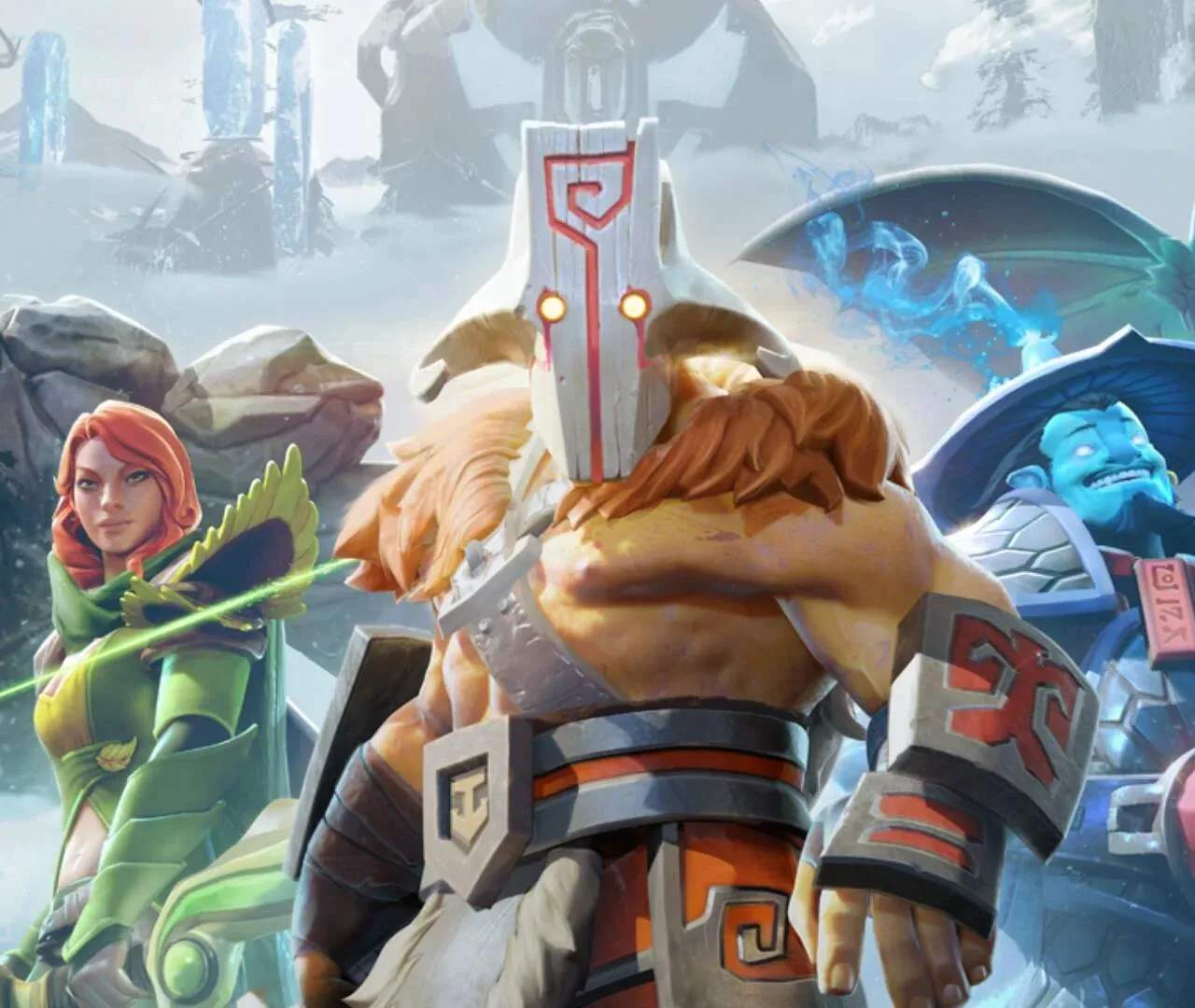
Disengaging & Retreating in Dota 2
Knowing when and how to disengage or retreat is as important as knowing when to fight in Dota 2. A well-timed retreat can save your team from a disastrous teamfight, preserve valuable farm, and allow you to regroup for a more favorable engagement. Conversely, a failed retreat can lead to unnecessary deaths, lost objectives, and a sificant loss of tempo.
The decision to disengage should be made proactively, not reactively. Look for ss that a fight is turning against you. This includes seeing key enemy abilities being used, your team's initiators being caught out of position, or your team's health and mana pools being depleted. If you notice your team is outnumbered or out-positioned, it's often better to cut your losses and run.
Effective disengaging involves several key tactics. Firstly, communication is paramount. Ping your retreat and use voice chat to alert your teammates. Don't just run blindly; try to retreat towards safety, such as your towers, allied heroes, or the jungle where you have vision. Using abilities that provide mobility or crowd control can help create space for your team to escape.
Heroes with built-in escape mechanisms, like Queen of Pain's Blink, Anti-Mage's Blink, or Puck's Phase Shift, are natural disengagers. However, even heroes without direct escapes can utilize items. The Blink Dagger is a game-changing item for disengaging, allowing heroes to quickly reposition themselves out of danger. Items like the Force Staff can push yourself or an ally out of harm's way, and the Glimmer Cape provides invisibility and magic resistance, making it easier to escape.
When retreating, try to do so in a coordinated manner. Avoid leaving teammates behind if possible, unless they are clearly beyond saving and their sacrifice allows others to escape. If you are the one being chased, try to use the terrain to your advantage. Weave through trees, use high ground to break line of sight, and utilize any available vision to predict enemy movements.
Consider the enemy's abilities and items. If the enemy has heroes with strong chasing abilities or slows, your retreat might be more difficult. Items like the Ghost Scepter can make you immune to physical damage for a short period, allowing you to escape physical attackers. Conversely, if the enemy lacks strong lockdown or mobility, your retreat will be much easier.
Here are some key considerations for disengaging:
- Assess the situation: Are you outnumbered? Is your team's health/mana low? Have key enemy abilities been used?
- Communicate: Ping and call for a retreat.
- Use mobility: Utilize hero abilities or items like Blink Dagger and Force Staff.
- Utilize terrain: Use trees, high ground, and fog of war to break line of sight.
- Prioritize survival: It's better to die with fewer items than to die with all your items and lose the game.
- Don't overcommit to a lost fight: Know when to cut your losses.
A common mistake is to continue fighting when it's clearly lost, hoping for a miracle. This often results in a full team wipe and the loss of sificant objectives. Learning to recognize the ss of a losing fight and initiating a retreat promptly is a hallmark of experienced Dota 2 players. It's a defensive maneuver that, when executed correctly, can turn the tide of a game by preserving your team's resources and setting up for a comeback.