Teamfight Positioning & Engagement
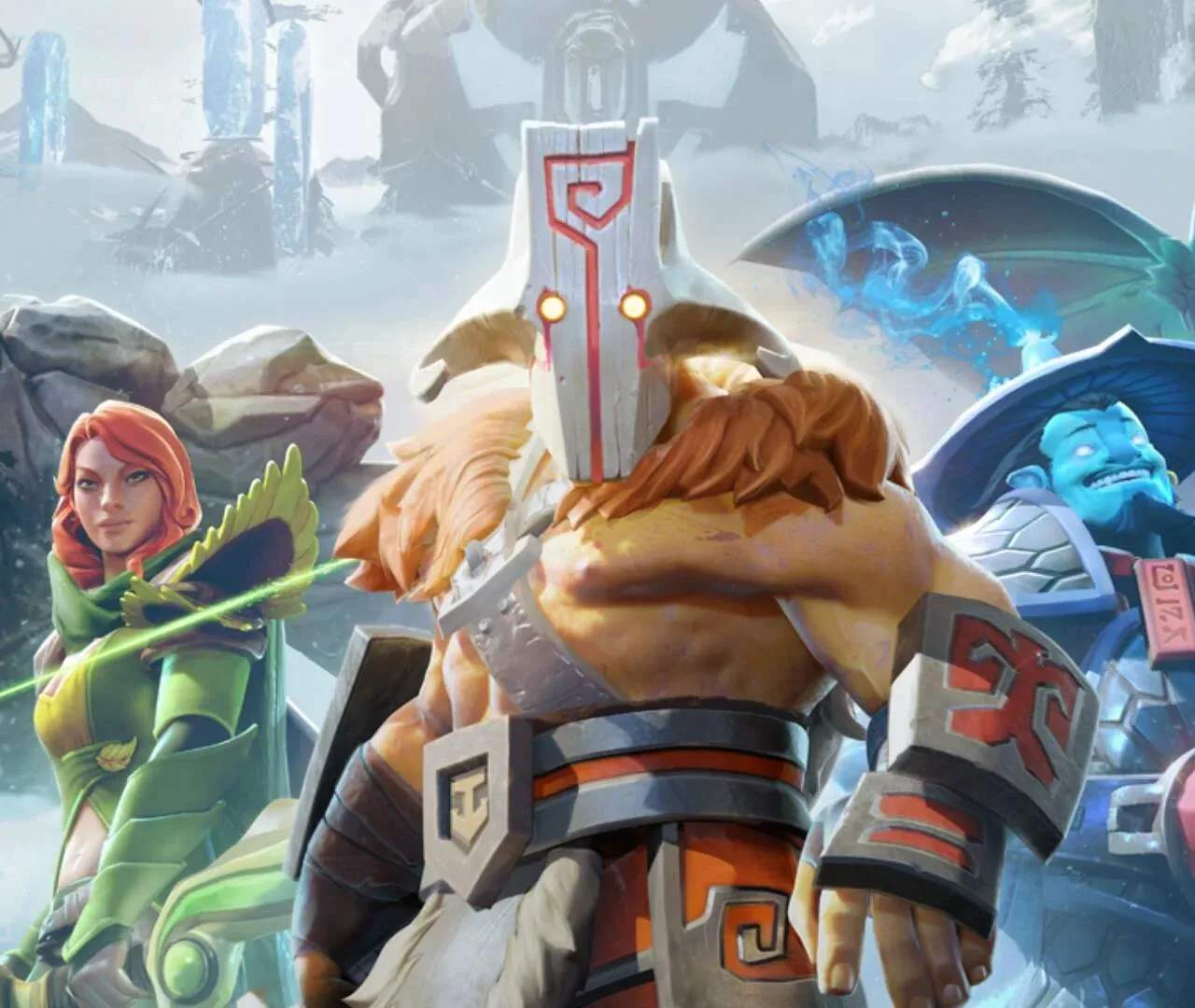
Mastering teamfight positioning and engagement is a cornerstone of Dota 2 success, especially in the standard 5v5 competitive mode. Effective positioning ensures your team can maximize its damage output while minimizing incoming damage and the risk of being picked off. Generally, the frontline heroes, often durable initiators like Axe or Centaur Warrunner, should be positioned to absorb enemy spells and abilities, drawing attention and creating space for their damage dealers. The backline, comprising your core damage dealers and supports, should maintain a safe distance, ideally behind their frontline, to unleash their spells and attacks without being immediately threatened. For example, a Sniper, with his long attack range, should always be positioned as far back as possible, protected by his team, to avoid being caught by initiators like Clockwerk with his Rocket Barrage.
The timing and execution of an engagement can dictate the outcome of an entire game. Initiating a teamfight when the enemy team is out of position, has key ultimates on cooldown, or is divided can lead to a decisive victory. Heroes with strong initiation spells, such as Magnus with his Reverse Polarity or Tidehunter with his Ravage, are crucial for starting favorable fights. However, a premature or poorly timed initiation can result in your team being wiped out. It's vital to coordinate engagements, often saled by a support or initiator. For instance, waiting for the enemy carry to use their Black King Bar before initiating with a spell-heavy lineup can ensure your spells land effectively. Conversely, if the enemy team has heroes like Weaver with his Shukuchi for quick escapes, engaging when he has used his ultimate can prevent him from disengaging and turning the fight.
Understanding the flow of a teamfight is also critical. If your team secures an early advantage, such as picking off an enemy hero or landing a devastating ultimate, pressing the advantage by continuing the fight or taking objectives like Roshan is often the correct play. However, if your team is at a disadvantage, such as having key heroes killed or being caught in a bad position, a strategic retreat is often the wiser choice to regroup and avoid further losses. The Dark Moon event, a PvE mode, provided a different context for teamfights, focusing on sustained waves of enemies rather than player-controlled opponents, but the core principles of coordinated attacks and defensive positioning still applied to survive the onslaught.