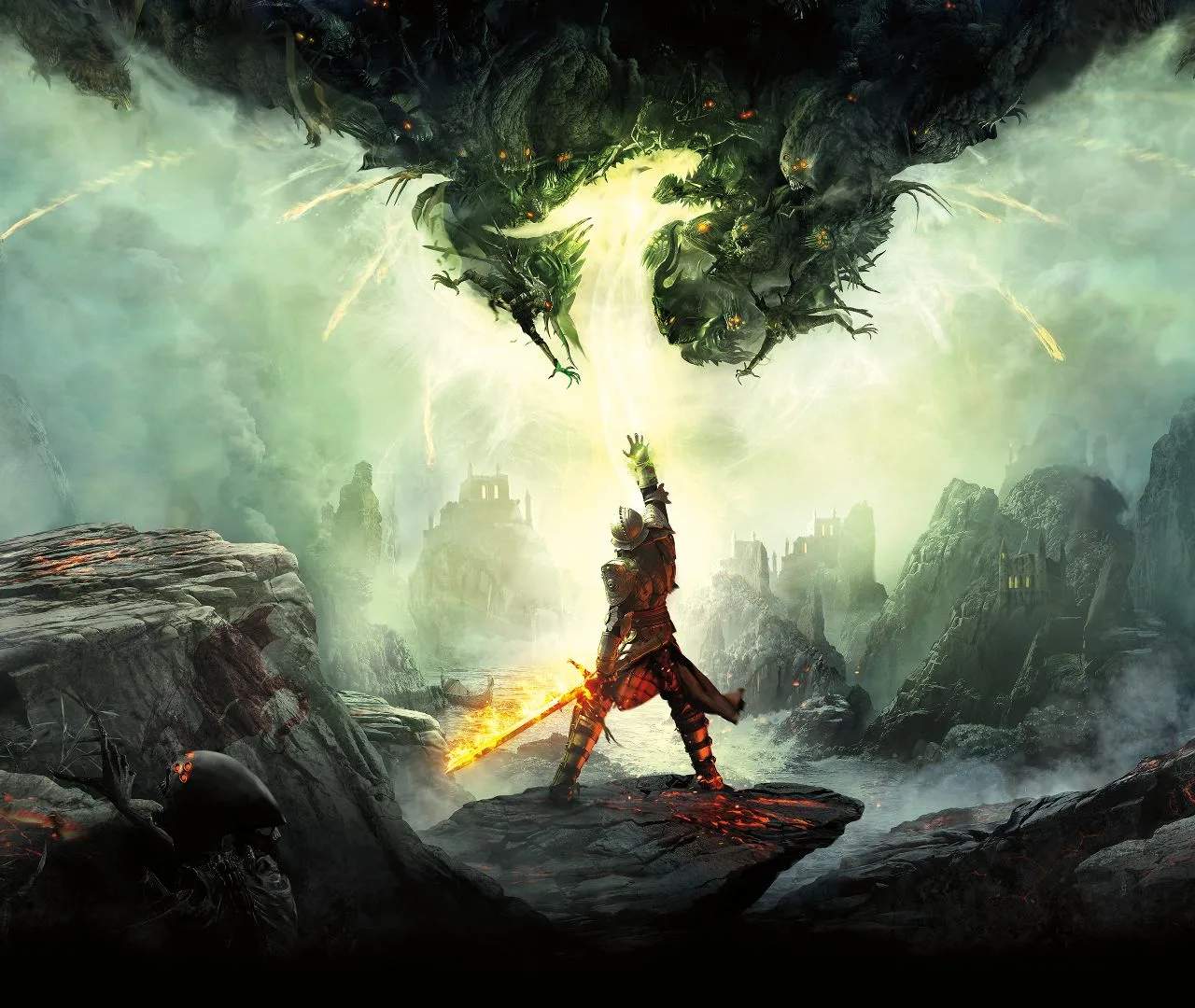
Into the Fade
Following the harrowing events at Adamant Fortress, the Inquisitor is thrust into the Fade, a dreamlike and perilous dimension where the veil between worlds is thin. This section of the game is a significant departure from traditional combat and exploration, focusing on surreal environments, unique puzzles, and a deeply personal confrontation with the forces of fear and corruption. Navigating the Fade requires keen observation, strategic thinking, and a willingness to engage with the psychological landscapes of your companions.
The Dreamscape and Its Challenges
The Fade is not a static environment. It is a fluid, ever-changing realm shaped by dreams, memories, and the raw power of magic. As you progress, you will witness manifestations of your companions' deepest fears and regrets, often presented as distorted reflections or hostile entities. Your primary objective is to reach the heart of the corruption within the Fade and confront the entity responsible for the breach: the Nightmare demon.
Environmental Puzzles
The Fade is riddled with environmental puzzles that test your understanding of its ethereal nature. These are not typical switch-and-lever mechanisms but rather challenges that require interacting with the dreamlike logic of the realm. Key puzzle types include:
- Memory Reconstruction: You will encounter fragmented memories, often represented by glowing orbs or ethereal figures. Interacting with these in the correct sequence or manner can reveal pathways, unlock doors, or provide crucial information. Pay attention to visual cues and any dialogue that hints at the order of events.
- Bridging the Gaps: The Fade often presents impassable chasms or barriers. These can sometimes be overcome by finding and activating "anchors" – points of stability within the dreamscape. These anchors might be specific objects, spectral figures, or even the echoes of strong emotions.
- Illusionary Walls and Paths: Not everything you see in the Fade is real. Some walls can be walked through, while seemingly solid paths may disappear if you stray too far or interact with the wrong element. Careful observation and experimentation are key.
- Light and Shadow Manipulation: In some areas, light sources or shadows play a crucial role in revealing hidden platforms or pathways. You may need to manipulate light sources or position yourself to cast specific shadows to progress.
Navigating the Shifting Landscape
The Fade's instability is a constant threat. Paths can vanish, and the environment can reconfigure itself without warning. To navigate effectively:
- Follow the Light: Often, ethereal lights or glowing motes will guide you towards your objective. While not always a direct path, they indicate areas of interest or progression.
- Observe Environmental Cues: Look for subtle changes in the environment, such as shimmering air, distorted textures, or recurring symbols. These often indicate interactive elements or impending shifts.
- Use Companion Abilities (When Available): While direct combat is limited in some Fade sections, certain companion abilities might still have utility in interacting with the environment or dispelling illusions.
- Patience and Exploration: Do not rush. Take your time to explore each area thoroughly. Sometimes, the solution to a puzzle or the path forward is hidden in plain sight, requiring a moment of contemplation.
Confronting the Nightmare Demon
The climax of your journey through the Fade is the battle against the Nightmare demon, a powerful entity that feeds on fear and doubt. This boss fight is multi-phased and requires a solid understanding of its mechanics.
Nightmare Demon Mechanics and Phases
The Nightmare demon is a formidable foe that draws strength from the fears it embodies. Its attacks are designed to disorient and overwhelm.
Phase 1: Manifestation of Fear
- The Nightmare will initially appear as a large, shadowy entity.
- Attacks: It will unleash waves of dark energy, summon lesser Fade creatures (often spectral versions of common enemies), and attempt to disorient You with psychic assaults that can temporarily blur vision or control party members.
- Strategy: Focus on dodging its area-of-effect (AoE) attacks and prioritizing the summoned adds. Use your most powerful single-target abilities on the Nightmare itself.
Phase 2: Companion Manifestations
- The Nightmare will begin to manifest the fears of your companions, often appearing as distorted versions of them or their personal demons.
- Attacks: These manifestations will use abilities reminiscent of the companions they represent, but twisted and more aggressive. For example, a manifestation of Cassandra might use corrupted Templar abilities, while a Solas manifestation could wield corrupted spirit magic.
- Strategy: You will need to defeat these manifestations quickly to prevent them from empowering the Nightmare. Each manifestation may have a specific weakness tied to the companion's fear. For instance, if a companion fears failure, their manifestation might be vulnerable to attacks that represent success or overcoming obstacles.
Phase 3: The Core of Fear
- The Nightmare will become more desperate and powerful, focusing its attacks directly on the Inquisitor.
- Attacks: Expect devastating AoE attacks, powerful psychic blasts, and a constant barrage of smaller spectral enemies. The environment itself may become more hostile, with tendrils of darkness lashing out.
- Strategy: This is an endurance test. Keep your party healed, manage your cooldowns effectively, and exploit any openings. The Nightmare's defenses might weaken as it expends its energy.
Nightmare Demon Weaknesses and Recommended Loadouts
- Elemental Weaknesses: The Nightmare demon, being a creature of pure magic and fear, is often susceptible to elemental damage, particularly fire and spirit damage.
- Disruption: Abilities that can stun, interrupt, or otherwise disrupt its casting can be invaluable.
- Recommended Loadouts:
- Inquisitor: If playing a mage, focus on spirit and elemental spells. If a warrior or rogue, prioritize abilities that deal high burst damage or offer crowd control.
- Companions: A balanced party is crucial. Consider bringing a strong tank (e.g., Blackwall), a powerful mage (e.g., Solas or Dorian for elemental/spirit damage), and a versatile damage dealer (e.g., Sera or Varric for ranged DPS, or Cassandra for melee).
- Tactics: Set your AI companions to prioritize healing and support during the more chaotic phases. Ensure your tank is drawing aggro effectively.
Potential Pitfalls and Missables
- Ignoring Environmental Clues: Many puzzles and pathways in the Fade are solved by paying close attention to the visual and auditory cues within the environment. Missing these can lead to getting stuck or having to backtrack extensively.
- Underestimating Companion Manifestations: While the Nightmare demon is the main threat, its companion manifestations can quickly overwhelm your party if not dealt with efficiently.
- Resource Management: The Fade can be a long and demanding section. Ensure you have sufficient healing potions and mana/stamina regeneration items before entering, as opportunities to resupply may be scarce.
- Dialogue Choices: While not strictly a "missable" in terms of gameplay progression, the dialogue and interactions within the Fade are crucial for understanding your companions and the narrative. Engage with them fully.