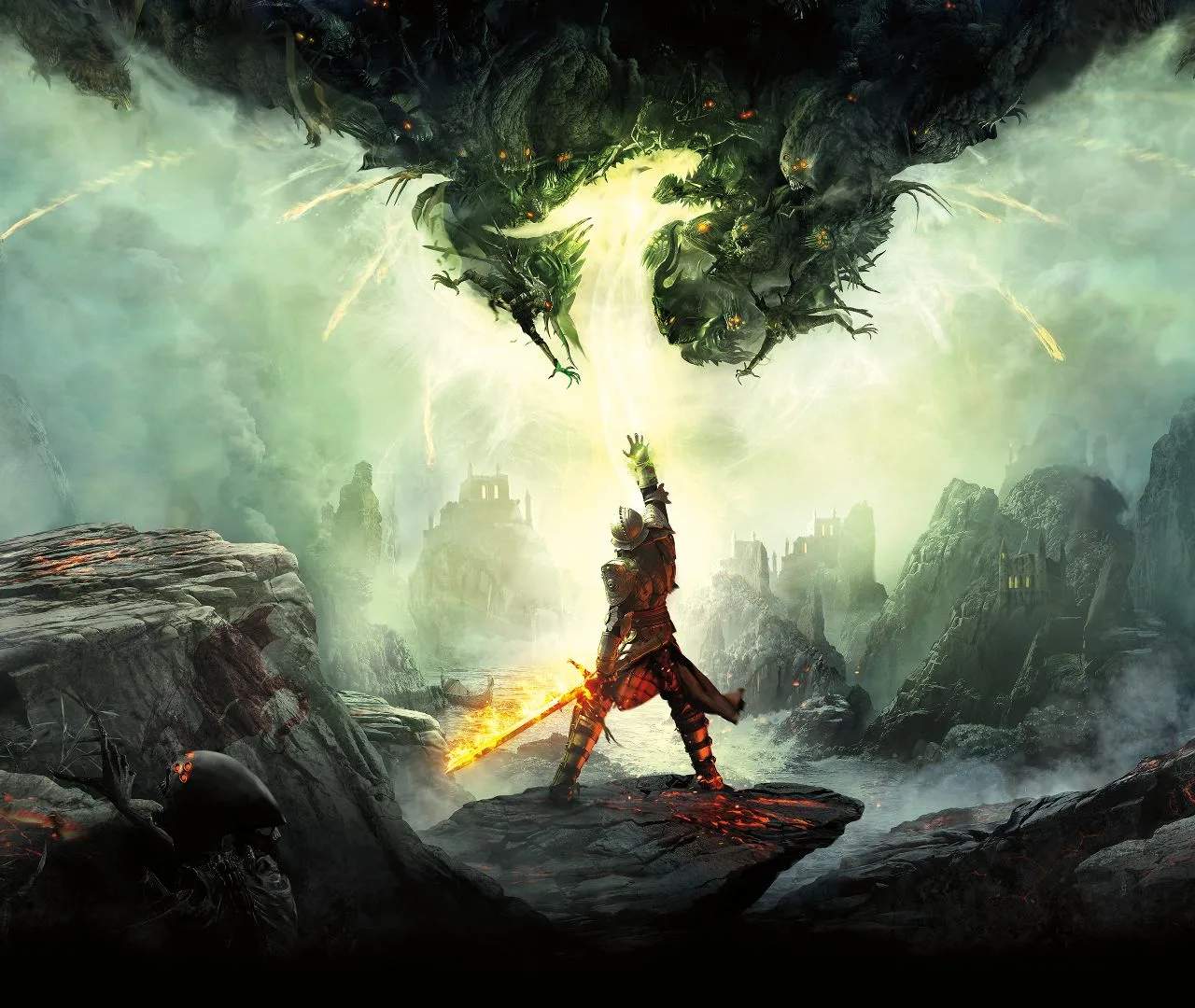
The Chantry & Faith in Dragon Age: Inquisition
The Chantry, the dominant religious institution in Thedas, plays a pivotal role in Dragon Age: Inquisition, influencing politics, culture, and the lives of its inhabitants. As the Inquisitor, you will interact with the Chantry extensively, from its highest echelons to its local clergy, shaping its future and its relationship with your burgeoning organization.
The Chantry worships the Maker, a divine being believed to have created the world and its inhabitants. Its teachings form the basis of faith for most of the human population, and its pronouncements carry significant weight. The Divine, the elected head of the Chantry, holds immense spiritual and political power, often acting as a key figure in the world's affairs. The events at the Conclave, which kickstart the game, were an attempt to bring together religious and political leaders, highlighting the Chantry's central role.
Throughout the game, you will encounter various aspects of the Chantry:
- The Divine: The election and actions of the Divine are central to the political landscape. Your choices can influence who becomes Divine and how the Chantry interacts with the Inquisition.
- Chantry Sisters and Brothers: You'll meet various members of the clergy, some devout and helpful, others potentially corrupt or misguided.
- The Circle of Magi: While not directly part of the Chantry's hierarchy, the Circle's relationship with the Chantry is complex and often fraught with tension, particularly concerning mages and their place in society.
- Templars: The Templar Order, tasked with policing mages, also has strong ties to the Chantry and its doctrines.
- Faith and Belief: The game explores themes of faith, doubt, and the interpretation of divine will through various characters and quests.
Your interactions with the Chantry can lead to significant narrative branches. For example, decisions made regarding the fate of the Circle of Magi or the Templar Order will have profound implications for the Chantry's future and the stability of Thedas. You may be called upon to mediate disputes, investigate heresy, or even defend the Chantry's interests.
The Chantry's influence extends to its doctrines, which shape societal norms and laws. Understanding these doctrines, such as the condemnation of magic outside the Circle or the prohibition of certain practices, is key to navigating conversations and making informed decisions.
| Chantry Aspect | Role in Inquisition | Key Themes |
|---|---|---|
| The Divine | Spiritual and political leader, influences major decisions. | Leadership, faith, political power, succession. |
| Clergy | Local representatives, sources of information and quests. | Devotion, corruption, interpretation of faith. |
| Relationship with Magi/Templars | Source of conflict and political tension. | Control of magic, order vs. freedom, societal structure. |
| Doctrines and Teachings | Shape societal norms and laws, influence character beliefs. | Morality, divine will, societal order, heresy. |
Engaging with the Chantry and its complex role in Thedas is essential for understanding the world of Dragon Age: Inquisition and for making choices that will shape the future of the continent.