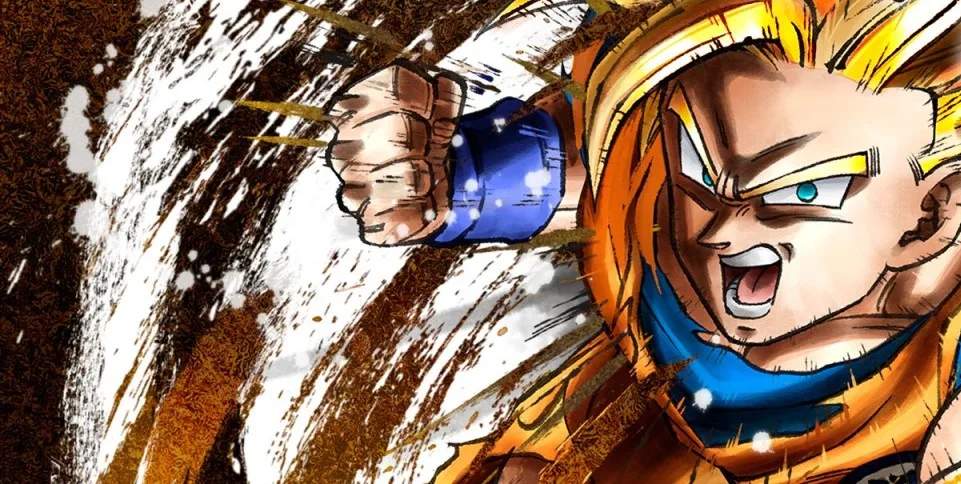
Story Mode Overview
Welcome, Fighter! The Story Mode in Dragon Ball FighterZ offers a unique narrative experience across three distinct arcs, each presenting its own challenges, character perspectives, and rewards. Unlike traditional fighting game stories, FighterZ employs an RPG-lite overworld map system, allowing for strategic movement, character development, and the acquisition of valuable items.
General Story Mode Mechanics
- Overworld Map: Each chapter within an arc features a grid-based map. Your objective is typically to reach a boss node within a set number of turns.
- Movement: Moving your team consumes "turns." Plan your path carefully to engage desirable encounters and reach objectives efficiently.
- Enemy Encounters: Nodes on the map represent battles. These can be standard fights, clone encounters, or even special training missions.
- Leveling Up: Characters gain experience points (EXP) from battles, increasing their stats and making them more formidable.
- Skills: Equipable items that provide various buffs, such as increased attack, defense, or EXP gain. These are crucial for optimizing your team.
- Link System: As you progress, you'll "link" with various Z-Fighters, allowing you to recruit them into your active party and utilize their unique abilities.
Story Arcs Walkthrough
The story is divided into three main sagas, each offering a different perspective on the unfolding crisis involving Android 21 and the mysterious clone army.
1. Super Warrior Arc (Goku's Perspective)
This is the introductory arc, focusing on Goku and the Z-Fighters as they awaken to find their souls linked to a human player (you!). The primary goal is to understand the clone phenomenon and Android 21's motives.
- Key Characters: Goku, Krillin, Piccolo, Vegeta, Gohan (Adult), Frieza, Cell, Majin Buu.
- Early Game Strategy: Focus on linking with as many characters as possible to expand your team options. Prioritize equipping "EXP Up" skills (e.g., Training Manual (S), Training Manual (M)) on your active fighters to accelerate leveling.
- Notable Item Locations:
- Chapter 1-2: Look for a hidden node near the top-right of the map for an early Power Up (S) skill, boosting attack.
- Chapter 1-4: A path branching off the main route often leads to a node containing a Defense Up (S) skill.
- Boss Encounters: Expect encounters with powerful clones and eventually Android 21 herself. Ensure your team is adequately leveled and equipped with defensive skills for these fights.
2. Enemy Warrior Arc (Frieza's Perspective)
Following the events of the Super Warrior Arc, this saga shifts perspective to the villains, specifically Frieza, Cell, and Majin Buu, as they reluctantly cooperate to combat the clone threat. This arc often presents more challenging battles.
- Key Characters: Frieza, Cell, Majin Buu, Captain Ginyu, Nappa.
- Mid-Game Strategy: You'll have access to more powerful skills. Consider stacking "Attack Up" skills (e.g., Power Up (M), Power Up (L)) on your primary damage dealers. Don't neglect "Defense Up" skills for your tanks.
- Notable Item Locations:
- Chapter 2-3: A side path on the left side of the map frequently holds a Super Soul (Frieza) skill, enhancing Frieza's specific abilities.
- Chapter 2-5: A dead-end node near the bottom of the map can yield a rare EXP Up (L) skill, invaluable for grinding.
- Boss Encounters: These bosses will have higher stats and more aggressive AI. Utilize your character's unique assists and DHC combos effectively.
3. Android 21 Arc (Android 21's Perspective)
The final and most revealing arc, delving into Android 21's past and her struggle with her dual nature. This arc provides the true conclusion to the story and features the most difficult battles.
- Key Characters: Android 21 (Good), Android 18, Android 16, Goku, Vegeta.
- Late Game Strategy: By now, you should have a strong understanding of the skill system. Focus on creating synergistic teams and optimizing skill loadouts for specific characters. Consider skills that boost Ki gain (e.g., Ki Charge (S), Ki Charge (M)) for more frequent super attacks.
- Notable Item Locations:
- Chapter 3-2: A hidden path often reveals a node with a Defense Up (L) skill, essential for surviving later boss fights.
- Chapter 3-4: Explore all corners of the map; a node might contain a powerful Ultimate Skill Boost, enhancing your Level 3 Supers.
- Final Boss: The ultimate confrontation with Android 21 (Evil). This fight will test your mastery of the game's mechanics. Ensure your team is maxed out on levels, and equip your strongest offensive and defensive skills. Consider bringing characters with strong Level 3 Supers for burst damage.
Post-Story Rewards
Completing all three arcs of the Story Mode unlocks Android 21 (Lab Coat) as a playable character, along with various Zeni and Premium Z Coins that can be used in the in-game shop for cosmetic items and other unlocks. Replaying chapters on higher difficulties can also yield additional rewards and challenge you further.