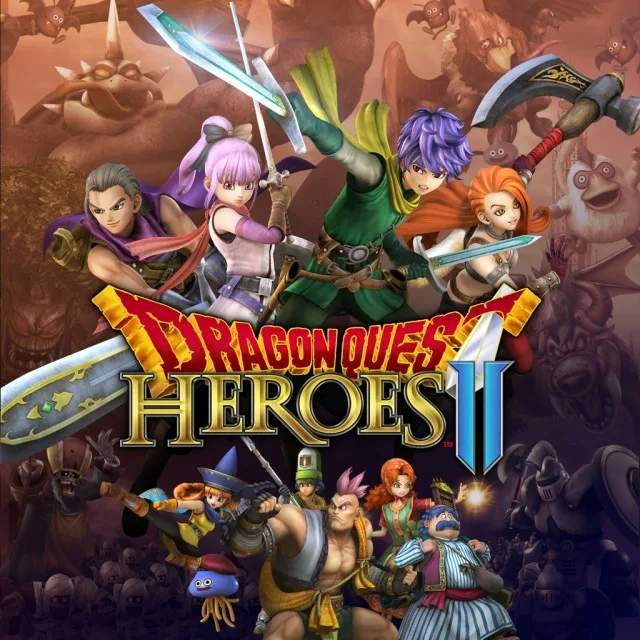
Skill Trees & Character Progression
Mastering the intricacies of Skill Trees and understanding optimal Character Progression is paramount to success in Dragon Quest Heroes II. Unlike traditional Dragon Quest titles, this action RPG hybrid offers a dynamic system for customizing your heroes. This section will guide you through maximizing your party's potential, from early-game foundational builds to late-game specialization.
Understanding Skill Points (SP)
Skill Points (SP) are the lifeblood of character progression. You earn SP primarily through:
- Leveling Up: Each time a character gains a level, they receive a set amount of SP.
- Quest Rewards: Certain side quests and story missions grant bonus SP upon completion. Always check quest details for these valuable rewards!
- Mini Medals: While primarily used for exchanging for powerful equipment at the Mini Medal King in Accordia, some Mini Medal tiers can also unlock SP bonuses for your entire party.
SP is shared across all weapon types for a given character, meaning points invested in one weapon's tree will affect that character's overall SP pool for other weapon types they can equip.
The Skill Tree Interface
Access the Skill Tree by navigating to the "Party" menu, selecting a character, and then choosing "Skill Tree." Each character has multiple skill trees, one for each weapon type they can wield. For example, Lazarel and Teresa will have separate trees for Swords, Dual Swords, and Claws, among others.
Each skill tree is divided into nodes, representing active skills (spells, combat abilities), passive buffs (stat increases, elemental resistances), and proficiency upgrades. Nodes are typically arranged in a branching path, requiring you to unlock prerequisite nodes before accessing more advanced ones.
Early Game Strategy (Levels 1-20)
In the early stages, focus on versatility and foundational strength. Prioritize unlocking core active skills and essential passive stat boosts.
Lazarel & Teresa (Main Characters)
- Weapon Proficiency: Immediately invest in the first few nodes of their starting weapon (Sword for Lazarel, Dual Swords for Teresa). This unlocks crucial early-game active skills like Flame Slash (Sword) or Twin Cut (Dual Swords).
- HP & MP Boosts: Look for passive nodes that increase Max HP and Max MP. These are vital for survivability and sustained skill usage during longer encounters.
- Attack/Magic Attack Up: Prioritize nodes that directly increase their primary damage stat. For physical attackers, this is Attack; for magic users, Magic Attack.
- First Heal/Buff Spell: For characters with access to healing or buffing spells (e.g., Heal, Sap, Oomph), unlock the first tier as soon as possible. These provide invaluable utility in early dungeons like the Cave to Accordia.
General Early Game Tips:
- Experiment with Weapon Types: Don't be afraid to try different weapon types for your main characters. Each weapon offers a unique playstyle and skill set. For example, switching Lazarel to Claws early can provide faster attacks and different elemental coverage.
- Focus on One Weapon Per Character: While it's tempting to spread SP, it's more efficient in the early game to fully invest in one primary weapon type per character to unlock its full potential before branching out.
Mid Game Specialization (Levels 21-40)
As you progress through areas like the Desert of Dunisia and the Griton Gauntlet, you'll want to start specializing your characters and unlocking more powerful abilities.
Key Mid-Game Investments:
- Advanced Active Skills: Unlock the second and third tiers of your preferred active skills. These often have increased damage, larger areas of effect, or additional properties. For instance, Falcon Slash for Swords or Blade Boomerang for Boomerangs.
- Elemental Coverage: Identify gaps in your party's elemental damage. If you're struggling against fire-weak enemies, invest in a character's Ice-based skills (e.g., Crackle for magic users).
- Defensive Passives: Start investing in nodes that boost Defense, Resilience, or provide elemental resistances. This is especially important for tankier characters like Carver or Maya.
- Tension Boosts: Look for passive skills that increase Tension gain or extend Tension duration. Building Tension quickly is crucial for unleashing powerful Coup de Grâce attacks.
- Character-Specific Uniques: Many guest characters have unique skill trees that unlock powerful signature abilities. For example, Jessica's Kafrizzle or Terry's Lightning Storm. Prioritize these as they become available.
Optimal SP Allocation:
By this stage, you should have a clear idea of each character's role. For example:
- Healer/Support: Focus on increasing MP, unlocking higher-tier healing spells (e.g., Multiheal), and debuff spells (e.g., Decelerate).
- Physical DPS: Maximize Attack, critical hit chance, and multi-hit abilities.
- Magic DPS: Maximize Magic Attack, MP, and elemental damage spells.
Late Game Mastery (Levels 41+)
In the late game, particularly when tackling challenging content like the World Tree or post-game dungeons, your goal is to fully optimize your builds and unlock ultimate abilities.
Ultimate Skills & Passives:
- Capstone Abilities: Each weapon tree typically has a powerful "capstone" skill at the very end. These are often devastating attacks or game-changing buffs. Work towards unlocking these for your primary damage dealers.
- Mastery Bonuses: Many skill trees offer "Mastery" nodes that provide significant stat bonuses or unique effects once all other nodes in that branch are unlocked. These are excellent long-term investments.
- Synergistic Builds: Consider how different characters' skills can complement each other. For example, a character with Oomph can significantly boost a physical attacker's damage.
- Accessory & Orb Integration: Remember that your skill tree choices should synergize with your equipped accessories and Orbs. If you've invested heavily in Fire damage, equip a Fire Orb to further amplify that damage.
Re-speccing SP:
Don't be afraid to re-spec your Skill Points! At any church or save point, you can choose to "Reset Skills" for a small fee of Gold. This allows you to reallocate all SP for a character, enabling you to experiment with new builds or correct previous mistakes without penalty. This is particularly useful when you acquire new powerful weapons or recruit new party members that change your team dynamic.
By following these guidelines, you'll be well-equipped to navigate the challenging world of Dragon Quest Heroes II and emerge victorious against the toughest foes!