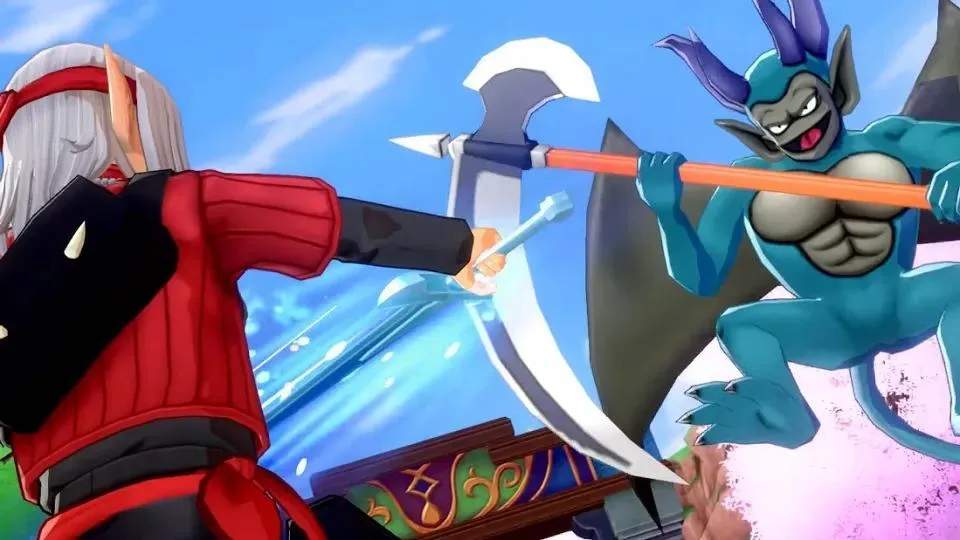
Elemental Strengths & Weaknesses
Understanding elemental affinities is paramount to success in Dragon Quest Monsters: The Dark Prince. Exploiting weaknesses and shoring up your own defenses against specific elements can turn the tide of even the most challenging battles. This section will guide you through identifying, using, and preparing for the various elemental interactions you'll encounter.
Identifying Elemental Affinities
Every monster in the game possesses inherent elemental strengths and weaknesses. You can discern these in several ways:
- Monsterpedia: Once you've scouted or defeated a monster, its entry in the Monsterpedia (accessible from the main menu) will detail its elemental resistances and vulnerabilities. Look for icons indicating strong resistance (shield), normal resistance (half-shield), weakness (broken shield), or absorption (upward arrow).
- Battle Feedback: During combat, pay attention to the damage numbers. Higher numbers (often highlighted in red or with a "CRITICAL" indicator) suggest an elemental weakness was struck. Conversely, lower numbers (or "RESIST") indicate a resistance.
- Visual Cues: Some monsters have obvious elemental associations. For example, a Flame Spirit will likely be strong against Fire and weak against Water. While not always foolproof, it's a good starting point for initial encounters.
Common Elemental Types and Their Interactions
The primary elemental types you'll encounter and their general interactions are as follows:
- Fire: Strong against Ice, often weak against Water. Many plant-based or cold-dwelling monsters are vulnerable.
- Ice: Strong against Fire, often weak against Earth or Wind. Fiery or flying monsters are good targets.
- Water: Strong against Fire, often weak against Lightning or Wind. Fire-based and desert creatures often suffer against Water.
- Wind: Strong against Earth, often weak against Ice or Lightning. Ground-based and heavy monsters are susceptible.
- Earth: Strong against Wind, often weak against Water or Ice. Flying and aquatic monsters are often resistant.
- Lightning: Strong against Water, often weak against Earth or Wind. Aquatic and metallic monsters are prime targets.
- Light: Generally strong against Dark and Undead monsters. Few monsters resist Light entirely, but many Dark-aligned creatures are highly vulnerable.
- Dark: Generally strong against Light and Holy monsters. Many angelic or pure-hearted monsters are weak to Dark.
- Physical: While not an "element" in the traditional sense, some monsters have resistances or weaknesses to physical attacks. This is often indicated by their armor or ethereal nature.
Strategic Application in Battle
Leveraging elemental strengths and weaknesses is crucial for efficient monster hunting and boss battles:
- Pre-Battle Scouting: Before engaging a tough boss or entering a new area, consult your Monsterpedia for information on prevalent enemy types. This allows you to adjust your party composition.
- Party Composition: Aim for a balanced team with diverse elemental attack options. For instance, having a monster with Frizz spells (Fire) and another with Crack spells (Ice) covers more ground. Consider monsters with abilities like "Elemental Fists" or "Breath" attacks that deal specific elemental damage.
- Skill Allocation: When teaching your monsters new skills, prioritize elemental attacks that complement your team's overall coverage. Don't overload a single monster with too many of the same element if other monsters already cover it.
- Equipment & Accessories: Certain equipment pieces can boost elemental damage or provide resistance. For example, a Flame Shield might grant Fire resistance, while a Lightning Rod accessory could increase Lightning spell potency. Keep an eye out for these in shops like the Bazaar in Rosehill or as drops from specific monsters.
- Item Usage: Don't forget consumable items! Fire Water can temporarily boost a monster's Fire attack, while Antidote cures poison, which is often associated with Dark or Nature-aligned attacks. While not directly elemental, status effects often tie into elemental themes.
- Target Prioritization: In multi-enemy encounters, focus your elemental attacks on the monsters most vulnerable to them first. Eliminating threats quickly minimizes incoming damage.
Advanced Tactics: Monster Synthesis
As you progress, Monster Synthesis becomes your most powerful tool for elemental mastery. When synthesizing, you can influence the elemental resistances and attack types of your new monster:
- Inheriting Skills: Pay close attention to the skills your parent monsters possess. A monster synthesized from a Fire-attuned parent and a Water-attuned parent might inherit a mix of both elemental attacks, or you can choose to focus on one.
- Trait Selection: Some traits directly affect elemental damage or resistance. For example, a trait like "Fire Affinity" might boost Fire spell damage, while "Ice Ward" could reduce incoming Ice damage. Strategically selecting traits during synthesis can create monsters perfectly tailored for specific elemental challenges.
- Creating Specialized Monsters: For particularly difficult areas or boss fights, consider synthesizing a monster specifically designed to exploit a key weakness. For example, if you know a boss is weak to Lightning, synthesize a monster with high Wisdom and powerful Lightning spells like Zap or Thordain.
By diligently observing, planning, and adapting your monster team's elemental profile, you'll overcome any challenge the Dark Prince's world throws your way.