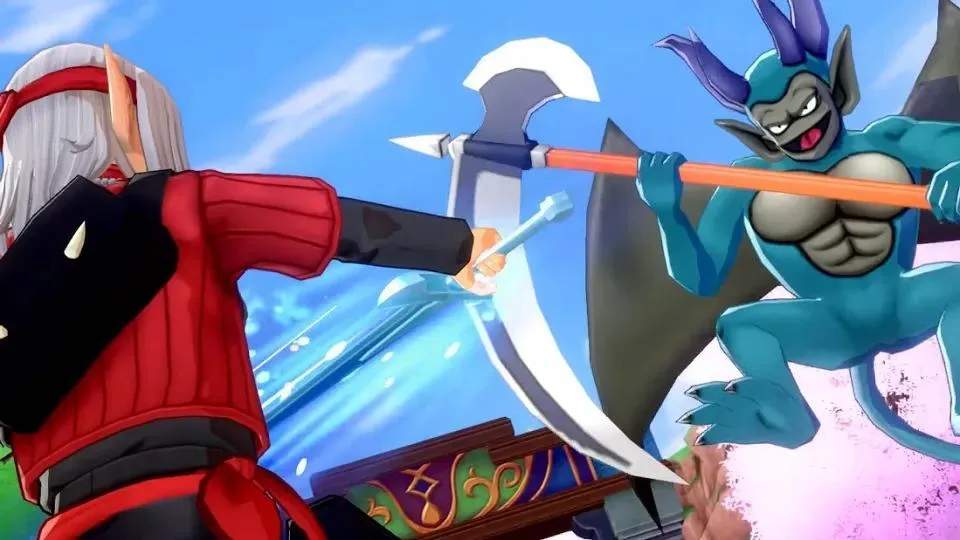
Monster Skill Sets & Abilities
Understanding and optimizing your monster's skill sets and abilities is paramount to success in Dragon Quest Monsters: The Dark Prince. Unlike traditional RPGs where characters gain fixed abilities, DQM allows for deep customization through inherited skills and unique monster traits. This section will guide you through maximizing your team's potential.
I. Acquiring Skills: The Synthesis System
The primary method for obtaining powerful and diverse skill sets is through monster synthesis. When you synthesize two monsters, the resulting offspring can inherit skills from both parents. This is where strategic planning comes into play.
- Inheritance Basics: The offspring will always inherit a certain number of skill points from its parents. The total number of skill points available for inheritance is determined by the parents' current skill point distribution. Higher-level skills require more points.
- Skill Point Management: Before synthesizing, consider using Skill Seeds on parent monsters to quickly level up specific skill trees you wish to pass down. Skill Seeds can be found in treasure chests throughout various realms (e.g., a Skill Seed of Attack might be found in the Circle of Temper, while a Skill Seed of Healing could be in the Circle of Fortitude) or as rewards for completing certain challenges in the Endseason Tournament.
- Targeted Inheritance: If a parent monster has a skill tree you absolutely want the offspring to learn, ensure that skill tree has a significant number of points invested. The more points, the higher the chance of inheritance and the more advanced skills within that tree the offspring will start with.
- "Plus" Monsters: Synthesizing monsters with a "+" designation (e.g., Slime+1, Great Dragon+5) increases the number of skill points the offspring can inherit, making it easier to pass on multiple advanced skill trees. Aim for high "+" values on your synthesis fodder.
II. Understanding Skill Trees
Each monster comes with a unique set of innate skill trees, and through synthesis, they can gain access to many more. Skill trees are categorized by their focus:
- Offensive Skill Trees: These focus on physical attacks, elemental spells, and status-inflicting abilities. Examples include:
- Fighter: Grants powerful physical attacks like Falcon Slash and Oomph.
- Fire Breath: Teaches fire-elemental breath attacks such as Flame Breath and Inferno.
- Woosh & Whack: Specializes in wind-elemental spells like Woosh and instant-death spells like Whack.
- Defensive Skill Trees: These enhance a monster's survivability and provide protective spells. Examples include:
- Defender: Boosts defense and grants skills like Kabuff and Magic Barrier.
- Healer: Provides essential healing spells such as Heal, Multiheal, and Fullheal.
- Support Skill Trees: Focus on buffing allies, debuffing enemies, and utility spells. Examples include:
- Support: Offers spells like Sap, Decelerate, and Accelerate.
- Status Ailment: Specializes in inflicting status effects like Poison, Sleep, and Paralysis.
- Stat-Boosting Skill Trees: These trees primarily increase a monster's core stats. Examples include:
- Attack Boost: Increases Strength.
- HP Boost: Increases Max HP.
III. Strategic Skill Allocation
Once a monster has acquired skill points (through leveling up or Skill Seeds), you can allocate them in the "Skills" menu from the main menu. This is a crucial step in defining your monster's role.
- Early Game Focus: In the early stages, focus on allocating points to unlock basic offensive and healing spells. A monster with Heal from the Healer tree can be invaluable for sustained exploration in areas like the Circle of Temper.
- Mid-Game Specialization: As you progress, begin to specialize your monsters. Do you need a dedicated healer? A powerful physical attacker? A magic user? Allocate points to fully unlock the advanced skills in their chosen trees. For instance, a monster intended as a primary damage dealer should prioritize Fighter or a strong elemental tree.
- Late Game & Post-Game Optimization: This is where advanced strategies shine.
- Synergy: Combine skill trees that complement each other. A monster with Fighter and Attack Boost IV will hit incredibly hard. A monster with Healer and Magic Barrier becomes a robust support unit.
- Resistance Building: Allocate points into skill trees that grant elemental resistances if you're struggling against specific enemy types. For example, the Fire Resistance tree can be vital for battles in fiery realms.
- Passive Abilities: Don't overlook the passive abilities unlocked at the end of many skill trees. These often provide significant stat boosts or unique effects that can turn the tide of battle. For example, the Tactician skill tree often culminates in abilities that boost critical hit rates or evasion.
- Re-allocating Skill Points: If you make a mistake or want to change a monster's role, you can use a Skill Reset Scroll. These are rare items, sometimes found in high-level treasure chests in the Circle of Conquest or as rewards from specific challenges in the Endseason Tournament. Use them wisely!
IV. Unique Monster Abilities (Talents)
Beyond skill trees, many monsters possess unique "Talents" or passive abilities that activate automatically in battle. These are inherent to the monster species and cannot be inherited or changed.
- Understanding Talents: Always check a monster's Talent in its status screen. Some Talents are incredibly powerful and can define a monster's role. For example, a Slime's Sticky Squish might reduce damage from physical attacks, making it a surprisingly durable early-game tank. A Great Dragon's Dragon's Roar might intimidate enemies, lowering their attack.
- Team Composition: Build your team around complementary Talents. A monster with a Talent that boosts elemental damage would pair well with others that have strong elemental spells.
- Synthesis for Better Talents: While Talents aren't inherited directly, synthesizing higher-rank monsters often results in offspring with more potent or versatile Talents. Experiment with different synthesis combinations to discover powerful new abilities!
By carefully planning your syntheses, strategically allocating skill points, and understanding the unique Talents of your monsters, you'll forge an unstoppable team ready to conquer any challenge the Dark Prince throws your way.