Version Differences (DS vs. SNES)
While the core narrative and many gameplay mechanics remain consistent between the original Super Famicom (SNES) release of Dragon Quest VI and its Nintendo DS remake, there are several key distinctions that be aware of. These differences range from quality-of-life improvements to entirely new content, significantly impacting the overall experience.
General Enhancements & Quality of Life
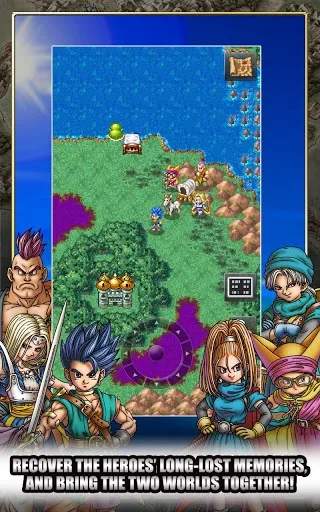
- Visual Overhaul: The most immediate difference is the graphical presentation. The DS version features fully 3D environments and character models, replacing the SNES's 2D sprites. While some purists prefer the pixel art, the DS visuals offer a fresh take on the world of Dragon Quest VI.
- Dual Screen Functionality: The DS's dual screens are utilized effectively. The top screen typically displays the main gameplay, while the bottom screen often shows the map, character status, or menu options, reducing the need to constantly open and close menus.
- Touch Screen Controls: While not mandatory, the DS version offers optional touch screen controls for menu navigation and movement, providing an alternative to traditional button inputs.
- Improved Translation: The English localization for the DS version, titled "Dragon Quest VI: Realms of Revelation," is a completely new translation. It features more modern language, character names, and spell names, aligning it with other Western Dragon Quest releases. For instance, the main character is referred to as "Hero" in the DS version, whereas the SNES fan translations often used "Reid."
- Faster Text Speed: Text scrolls noticeably faster in the DS version, which can be a welcome change for players who find the SNES's text speed sluggish.
Gameplay & Content Additions
Party Chat System
One of the most significant additions to the DS version is the inclusion of a comprehensive Party Chat system. This allows You to hear unique dialogue from their party members about current events, locations, and NPCs. This adds immense depth to character development and world-building. To access Party Chat:
- Open the main menu.
- Select "Talk" (or the equivalent option).
- Choose "Party Chat."
Strategy Tip: Engage in Party Chat frequently, especially after major story events, entering new towns, or encountering important NPCs. It often provides humorous insights, character motivations, and sometimes even subtle hints about puzzles or upcoming challenges.
Slippin' Slime Mini-Game
The DS version introduces a new mini-game called "Slippin' Slime." This rhythm-based game involves guiding a Slime down a slope, avoiding obstacles and collecting items. It's a fun distraction and can yield some useful rewards.
- Location: The Slippin' Slime mini-game is typically found in specific towns or areas as you progress through the game. Keep an eye out for NPCs that mention "Slime races" or similar activities.
- Rewards: Successful runs can award various items, including rare equipment, healing items, or even casino tokens.
Monster Recruiting Changes
While monster recruiting exists in both versions, the DS version streamlines the process. In the SNES, certain monsters had a chance to join your party after battle, often requiring specific conditions. The DS version simplifies this, making it generally easier to recruit monsters, though the specific mechanics still involve a degree of randomness.
- Recruitment Rate: The base recruitment rates for various monsters have been adjusted, generally making it more forgiving to acquire them.
- Specific Monsters: While the core roster of recruit-able monsters remains similar, some subtle tweaks might exist regarding their stats or learnable abilities.
New Slime-Themed Dungeon: Slimopolis
The DS version introduces an entirely new post-game dungeon and challenge area known as "Slimopolis." This arena focuses on using your recruited Slime monsters in battles against other monster teams.
- Access: Slimopolis becomes accessible later in the game, typically after completing a significant portion of the main story or even in the post-game. Look for an NPC who mentions a "Slime tournament" or a "monster arena" in a specific town.
- Strategy: Building a strong team of diverse Slime monsters with complementary abilities is crucial for success here. Experiment with different monster combinations and their learned skills.
- Rewards: Conquering the various ranks of Slimopolis can yield powerful equipment, rare items, and even unique titles.
Minor Adjustments & Balancing
- Spell and Skill Balancing: Some spell and skill effects, MP costs, and damage outputs may have been slightly rebalanced in the DS version to improve overall gameplay flow and challenge.
- Experience and Gold Gain: While not drastically different, there might be subtle adjustments to the experience points and gold gained from battles, potentially influencing the grinding curve.
- Item Locations: While most treasure chest and item shop inventories remain consistent, a few minor alterations to item placement or availability might exist. Always consult a DS-specific guide if you're having trouble locating a particular item.
Understanding these differences will help players of both the original SNES and the DS remake appreciate the unique aspects of each version and make informed decisions about their gameplay experience.