Key Differences (PS1 vs. 3DS)
Welcome, intrepid adventurers! Whether you're a seasoned veteran returning to Estard or a new explorer embarking on this epic journey for the first time, understanding the distinctions between the original PlayStation (PS1) release of Dragon Warrior VII and the Nintendo 3DS remake, Dragon Quest VII: Fragments of the Forgotten Past, is crucial. While both versions tell the same grand tale, the 3DS iteration introduces numerous quality-of-life improvements, graphical overhauls, and even some content changes that significantly alter the gameplay experience. This section will detail the most impactful differences, providing actionable advice for players of both versions.
Graphical and Audio Overhaul
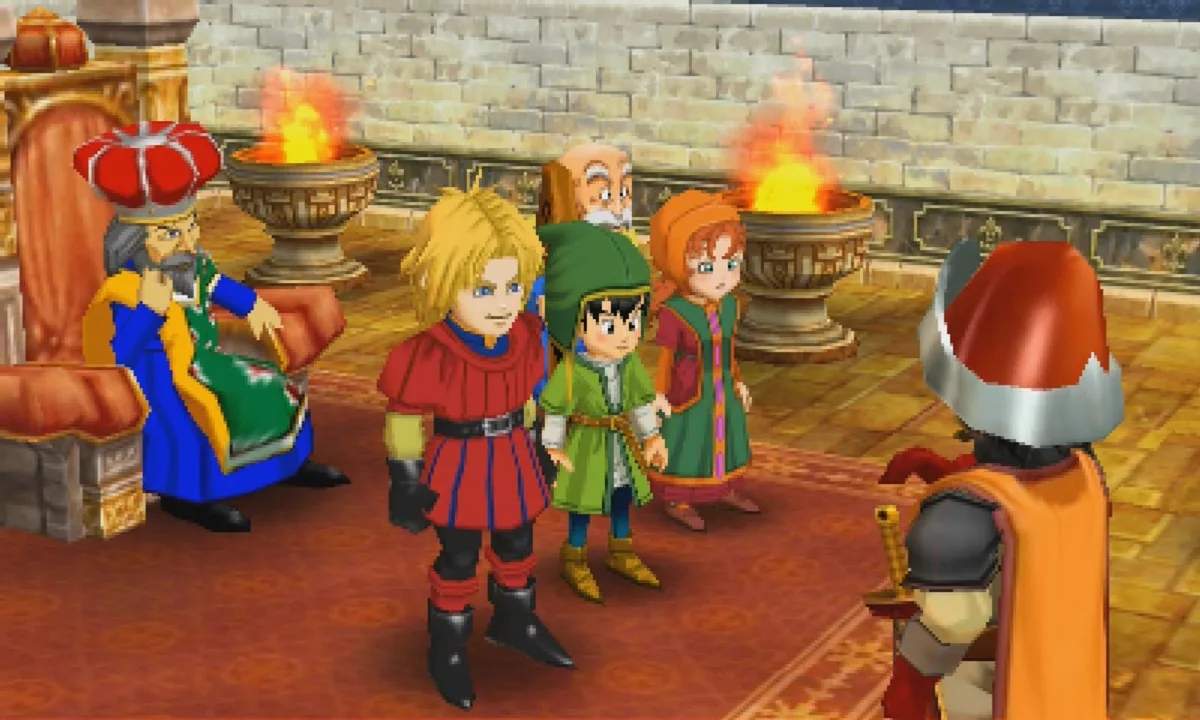
- Visuals: The most immediately noticeable change. The PS1 version features 3D environments with 2D sprite characters, while the 3DS remake boasts fully 3D models for both characters and environments, bringing it in line with later entries in the series. This means towns, dungeons, and the overworld are rendered with greater detail and a more consistent aesthetic.
- Camera Control: On PS1, the camera was largely fixed or semi-fixed. The 3DS version offers full 360-degree camera control in most areas, allowing players to explore environments more thoroughly and spot hidden pathways or items that might have been obscured in the original.
- Music: The 3DS version features a fully orchestrated soundtrack, a significant upgrade from the MIDI-based music of the PS1 original. This enhances the emotional impact of many scenes and battles.
Gameplay Mechanics and Quality of Life
- Fragment Radar: A brand-new feature exclusive to the 3DS. This radar, displayed on the bottom screen, indicates when a missing fragment is nearby. It changes color and emits a sound as you get closer.
- Actionable Tip: Always keep an eye on your Fragment Radar! If it starts blinking red and beeping rapidly, you're very close to a fragment. Thoroughly search the immediate area, checking behind objects, inside pots, and talking to NPCs. This significantly reduces the tedious searching required in the PS1 version.
- Random Encounters vs. Visible Monsters: The PS1 version relied on traditional random encounters. The 3DS remake features visible monsters on the overworld and in dungeons.
- Strategy: This allows players to strategically avoid unwanted battles or target specific monsters for experience or item drops. Use this to your advantage to conserve MP and HP when exploring or to grind efficiently by engaging only desired foes.
- Faster Pacing: The 3DS version generally moves at a quicker pace. Animations are faster, menu navigation is snappier, and the overall flow of the game feels more streamlined.
- Traveler's Tablets (DLC/Post-Game Content): The 3DS introduces Traveler's Tablets, which are essentially procedurally generated mini-dungeons. Some are found in-game, others were distributed as DLC.
- Benefit: These tablets are excellent for grinding experience, gold, and specific monster hearts (which are crucial for certain vocations). They also offer unique monster encounters and rare item drops.
- Location: The first Traveler's Tablet is typically acquired early in the game after reaching the Haven. Speak to the Tablet Master in the Haven to access them.
- Vocation System Adjustments: While the core Vocation system remains, some adjustments were made.
- Heart Drops: Monster Hearts, required to unlock certain advanced vocations, are now dropped directly by specific monsters in the 3DS version. This replaces the PS1's reliance on the Monster Park (which is still present but less central for vocation progression).
- Actionable Tip: If you're aiming for a specific advanced vocation like the Champion or Hero, consult a monster drop guide to identify which monsters drop the necessary hearts (e.g., a Golem Heart for the Golem Vocation). Farm these monsters strategically.
- Party Chat: The 3DS version includes a robust Party Chat system, allowing you to hear your companions' thoughts and reactions to events and locations. This adds significant depth to characterization and world-building.
- Recommendation: Use Party Chat frequently! It often provides hints, humorous dialogue, and expands on the narrative in ways the PS1 version couldn't.
- Autosave: The 3DS version includes an autosave feature, reducing the risk of losing progress. However, it's still wise to save manually at churches and save points.
Story and Content Changes
- Prologue: The 3DS remake significantly shortens the initial prologue section on Estard Island. While the PS1 version had a lengthy period of exploration and minor tasks before the main quest truly began, the 3DS version gets you to the first shard much faster.
- Impact: This makes the early game feel less sluggish for new players, but veterans might miss some of the initial world-building.
- Monster Park: The Monster Park is still present, but its role is slightly diminished due to the direct monster heart drops. However, it remains a fun side activity for collecting and breeding monsters.
- Recruitable Monsters: The system for recruiting monsters has been streamlined and is generally less frustrating in the 3DS version.
By understanding these key differences, You can better strategize their approach to Dragon Quest VII: Fragments of the Forgotten Past, leveraging the new features and improvements to enhance their journey through the forgotten past.