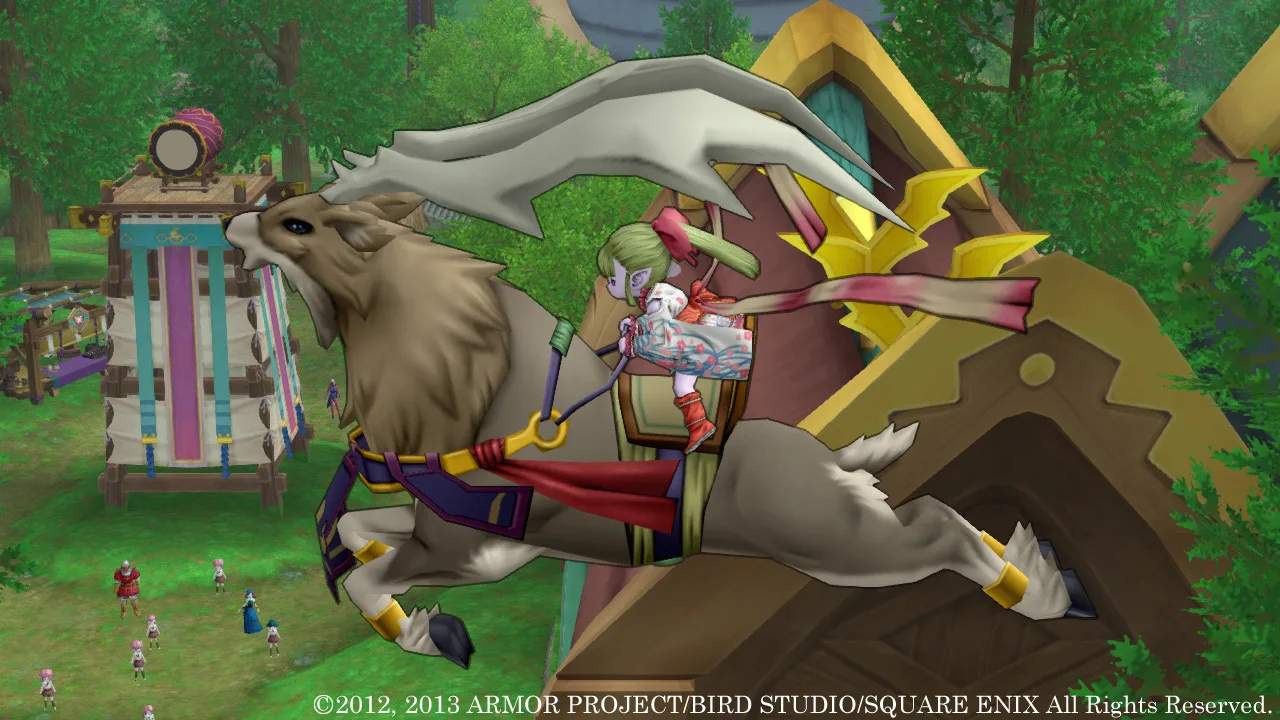
Dragon Quest X, as an MMORPG, thrives on cooperative play. While soloing is possible for much of the content, tackling challenging bosses, dungeons, and special events often requires effective teamwork and advanced strategies. Understanding party roles, communication, and synergy between different vocations is paramount for success.
Party Composition and Role Synergy
A well-balanced party is the cornerstone of effective multiplayer. Typically, a party of four will aim for a combination of roles:
- Tank: Vocations like the Warrior or Paladin excel at drawing enemy aggro and mitigating damage. Their high defense and HP allow them to withstand heavy hits, protecting the rest of the party.
- Healer: Priests and Sages are essential for keeping the party alive. They possess powerful healing spells and can also provide crucial buffs like Zionga (paralysis resistance) or Sizz (fire damage boost).
- Damage Dealers (DPS): Vocations such as the Martial Artist, Mage, or Gladiator focus on inflicting maximum damage. Their ability to quickly eliminate threats prevents enemies from overwhelming the party.
- Support/Utility: Vocations like the Bard or Trickster can provide unique buffs, debuffs, or crowd control. Bards can play songs that boost party stats, while Tricksters can inflict status ailments on enemies.
The synergy between these roles is vital. For example, a Bard's song that boosts attack power will significantly increase the effectiveness of your DPS characters, allowing them to defeat enemies faster, thus reducing the strain on your healer.
Communication and Coordination
Effective communication is non-negotiable in challenging encounters. Utilize the in-game chat system or, if playing with friends, voice chat. Key elements to communicate include:
- Targeting: Designate a primary target for the party to focus damage on.
- Threat Management: Tanks should announce when they are losing aggro or need support.
- Resource Management: Healers should indicate when their MP is low, and DPS should be mindful of their own skill cooldowns.
- Mechanic Awareness: Call out incoming powerful enemy attacks or environmental hazards.
Many boss fights have specific mechanics that require coordinated actions, such as interrupting a powerful spell at a precise moment or moving to specific locations to avoid area-of-effect attacks.
Advanced Tactics and Buff Stacking
Beyond basic roles, consider advanced tactics. For instance, certain vocations can apply powerful buffs that stack. A Priest might cast Insulatle to resist ice damage, while a Bard plays a song that further enhances ice resistance. Understanding which buffs stack and when to apply them can make the difference between victory and defeat. Similarly, debuffing enemies with status ailments like paralysis or sleep can create windows of opportunity for your DPS to unleash their full potential. Always be prepared to adapt your strategy based on the enemy's resistances and attack patterns.