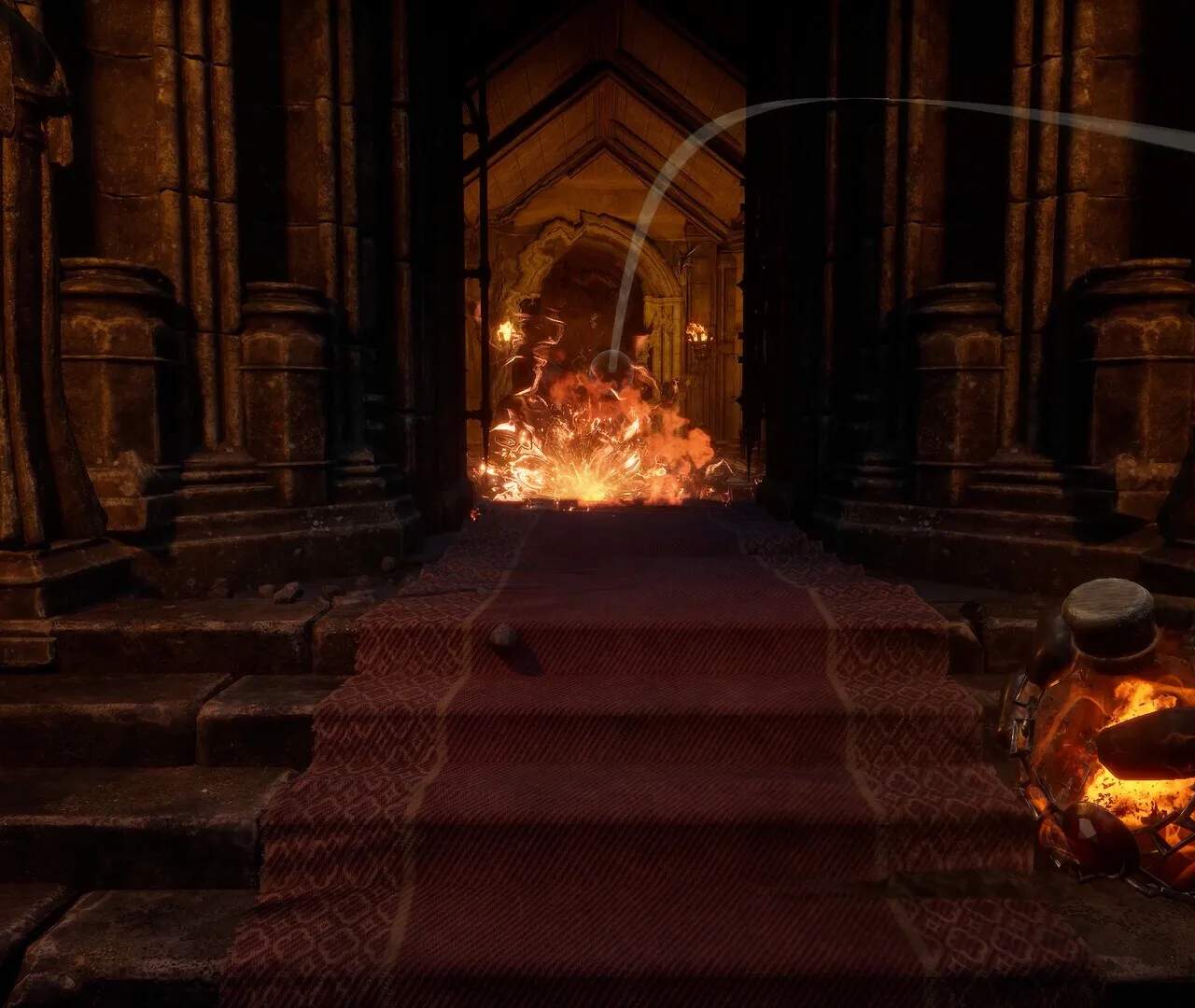
Dungeonborne features a diverse cast of classes, each with a unique set of abilities that define their role and playstyle. Understanding these classes and their core abilities is fundamental to mastering the game, whether you're adventuring solo or coordinating with a team.
Choosing Your Path
The foundation of any character in Dungeonborne lies in its class. Each class is designed with a distinct identity, offering a specific set of skills, strengths, and weaknesses. Whether you prefer to be a frontline warrior, a cunning rogue, a powerful mage, or a supportive healer, there's a class to suit your preferred playstyle. Mastering your chosen class's abilities is key to overcoming the game's challenges.
Example Classes and Their Abilities
While the exact roster may evolve, here are examples of typical class archetypes and their associated abilities:
Warrior
Role: Melee combatant, tank, frontline damage dealer.
Core Abilities:
- Charge: A swift dash forward, closing the distance to an enemy and often stunning them.
- Shield Bash: A powerful strike with a shield that can interrupt enemy attacks and deal damage.
- Cleave: An area-of-effect attack that hits multiple enemies in front of the warrior.
- Defensive Stance: Increases armor and damage resistance, making the warrior more durable.
- War Cry: A buff that can increase allies' damage or intimidate enemies.
Mage
Role: Ranged spellcaster, high burst damage, crowd control.
Core Abilities:
- Fireball: A classic projectile spell that deals fire damage to a single target.
- Frost Nova: An area-of-effect spell that freezes enemies in a radius around the mage.
- Arcane Missiles: A channeled spell that launches multiple homing projectiles at a target.
- Teleport: Allows the mage to instantly move a short distance, useful for escaping danger or repositioning.
- Elemental Mastery: Passively increases the damage or effectiveness of elemental spells.
Rogue
Role: Stealth, high single-target damage, debuffs, evasion.
Core Abilities:
- Stealth: Allows the rogue to become invisible, enabling surprise attacks or evasion.
- Backstab: A high-damage attack that deals significantly more damage when used from behind an unsuspecting enemy.
- Poison Application: Rogues can apply various poisons to their weapons, causing damage over time or other debilitating effects.
- Evasion: Temporarily increases the rogue's chance to dodge incoming attacks.
- Shadow Step: Teleports the rogue behind a target enemy.
Cleric
Role: Healer, support, secondary damage dealer.
Core Abilities:
- Heal: Restores a significant amount of health to a target ally.
- Holy Light: A powerful, single-target heal that may also deal minor damage to nearby enemies.
- Divine Shield: Grants a temporary invulnerability buff to an ally.
- Aura of Protection: Provides a passive buff to nearby allies, increasing their defense or resistance.
- Smite: A holy-based attack that deals damage to an enemy.
Synergy and Team Composition
The effectiveness of classes is amplified when they work together. A typical adventuring party might consist of:
- A Warrior to tank damage and control enemies.
- A Mage or Rogue for high damage output.
- A Cleric to keep the party alive and provide buffs.
Understanding the strengths of each class allows players to form effective teams and tackle the most challenging content in Dungeonborne.
Developing Your Abilities
As you progress in Dungeonborne, you'll earn experience points that can be used to unlock new abilities, upgrade existing ones, and specialize your character further within your chosen class. Experimenting with different ability combinations and gear choices will allow you to tailor your class to your specific playstyle and the challenges you face.