Environmental Combat — Dungeonborne Guide
Environmental combat in Dungeonborne is a crucial aspect of survival and tactical advantage, allowing players to leverage the world around them to defeat enemies. From using hazardous terrain to manipulating light and shadow, understanding how to interact with your surroundings can turn a difficult fight into a manageable one. This guide explores various ways to incorporate environmental factors into your combat strategy.
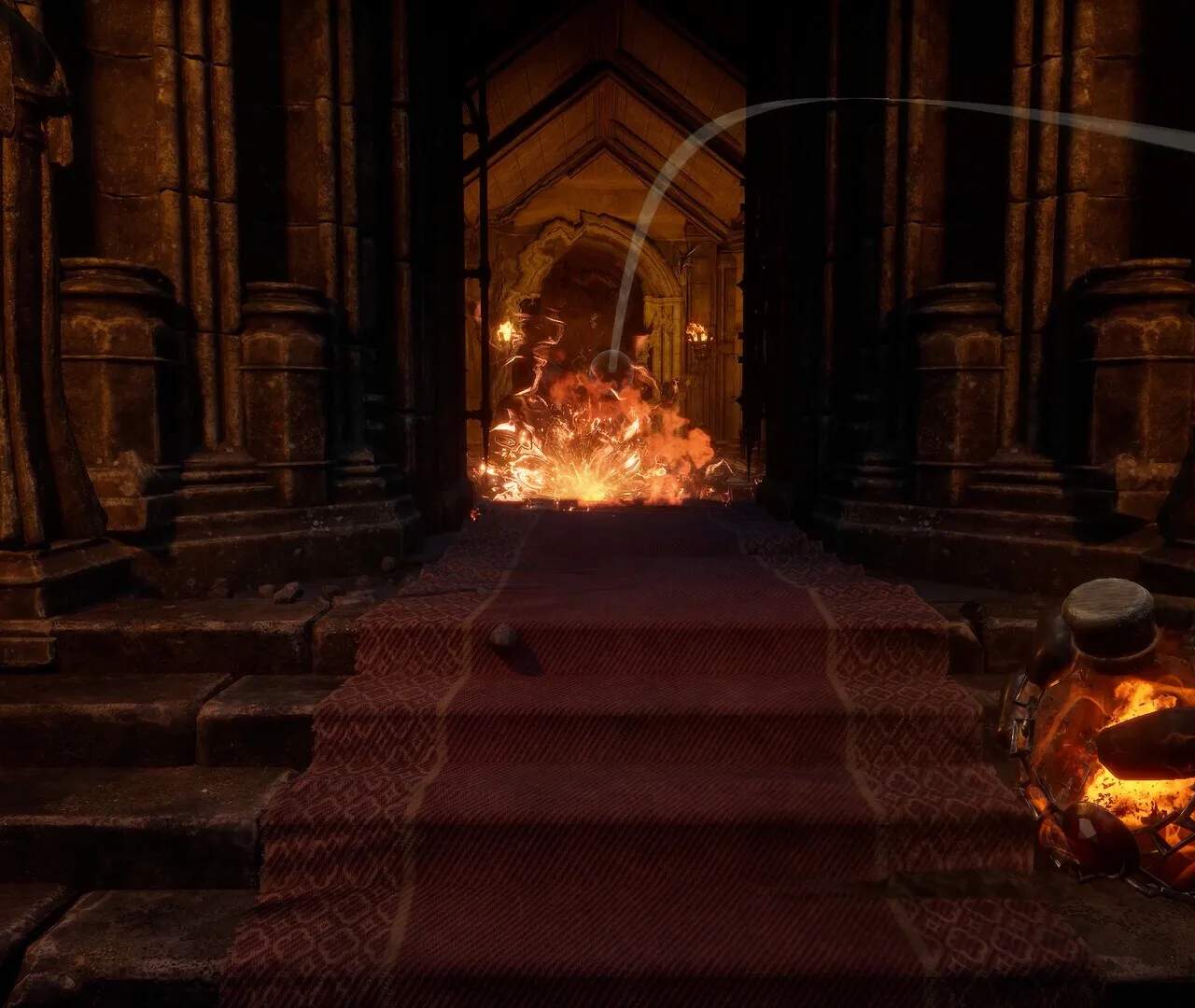
The most direct form of environmental combat involves utilizing hazards. Many areas in Dungeonborne feature elements that can damage or hinder enemies. For instance, pools of acid, burning braziers, or unstable platforms can be strategically lured enemies into. A common tactic is to position yourself so that enemies are forced to walk through a damaging area to reach you, or to use crowd control abilities to hold them in place while they take damage. For example, a Cryomancer might freeze enemies near a patch of burning oil, creating a hazardous zone.
Elevation and cover are also key components of environmental combat. High ground often provides a tactical advantage, offering better visibility and making it harder for melee enemies to reach you. Conversely, using cover like pillars, crates, or rock formations can break line of sight, interrupt enemy targeting, and provide a safe space to heal or reposition. Archers and spellcasters can especially benefit from elevated positions, raining down attacks while remaining relatively safe.
Light and shadow play a significant role, particularly in certain areas of the Forsaken Realm. Some enemies might be weakened or more aggressive in specific lighting conditions. Conversely, certain abilities or classes might gain bonuses when operating in darkness or when enemies are blinded. Understanding these mechanics can lead to powerful ambushes or defensive strategies. For example, a rogue-like class might have abilities that are enhanced when attacking from stealth, which is easier to achieve in shadowed areas.
Interactive objects within the environment can also be exploited. Explosive barrels are a classic example, capable of dealing significant area-of-effect damage when shot or detonated. Levers might trigger traps, open new pathways, or even alter the environment in ways that benefit you. Some areas might have destructible elements that can be used to create choke points or open up new lines of sight. For instance, breaking down a weak wall could allow you to escape a pursuit or flank an enemy encampment.
Finally, understanding the AI's behavior in relation to the environment is crucial. Enemies will often pathfind around obstacles, but they can be baited into traps or dangerous areas. They might also react to environmental changes, such as loud noises or sudden darkness. By observing how enemies interact with their surroundings, you can predict their movements and exploit their predictable behaviors. Mastering environmental combat means becoming a resourceful survivor, using the world itself as your weapon and shield.