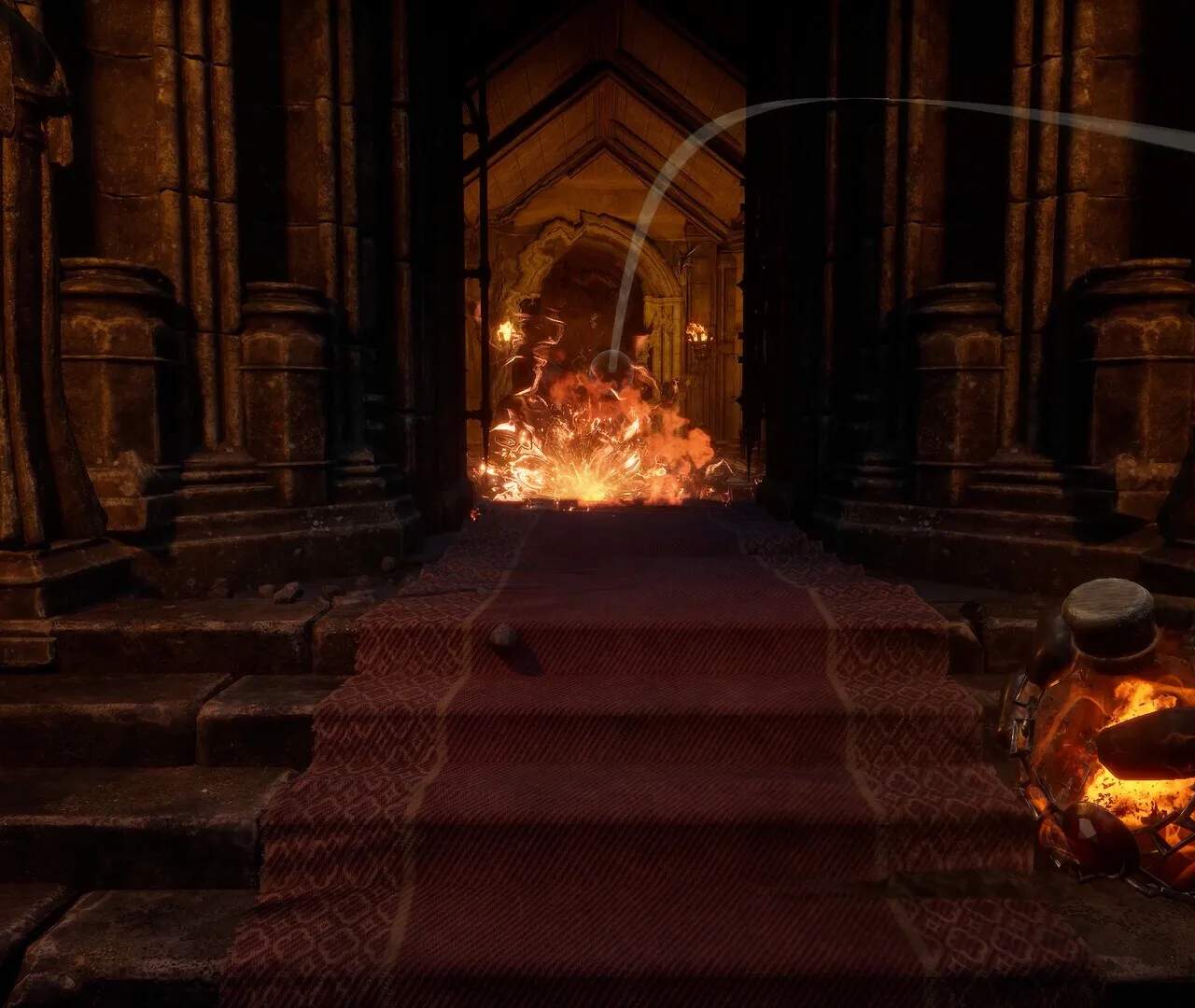
Movement and positioning are fundamental pillars of success in Dungeonborne's fast-paced combat. Mastering how you navigate the environment and position yourself relative to enemies and allies can be the difference between a successful extraction and a costly defeat. It's not just about reaching your destination; it's about doing so strategically to maximize your offensive potential and minimize incoming damage.
Understanding Movement Options
Dungeonborne offers various movement mechanics:
- Walking/Running: Your standard mode of locomotion.
- Sprinting: A faster, but stamina-consuming, way to traverse distances quickly. Essential for escaping danger or closing gaps.
- Dodging/Rolling: A quick burst of movement that often grants invincibility frames, allowing you to evade attacks. Mastering the timing of dodges is crucial.
- Jumping: Useful for traversing small obstacles or gaining slight positional advantages.
- Class-Specific Movement Abilities: Some classes might have unique movement skills like dashes, teleports, or leaps.
Strategic Positioning
Effective positioning involves several key considerations:
- Flanking: Attacking enemies from the sides or rear often bypasses their defenses or triggers bonus damage mechanics (especially for classes like the Rogue).
- Cover: Utilizing environmental objects like pillars, walls, or debris to block line of sight and incoming projectiles.
- Line of Sight: Managing who can see you and who you can see. Breaking line of sight can allow you to disengage or set up ambushes.
- Crowd Control Awareness: Being aware of areas where enemies are clustered and avoiding being caught in their area-of-effect abilities. Conversely, positioning yourself to lure enemies into your own AoE attacks.
- Extraction Point Awareness: Always having a mental map of potential extraction routes and points, especially as the timer winds down.
Stamina Management
Sprinting and some evasive maneuvers consume stamina. Running out of stamina at a critical moment can leave you vulnerable. Learn to manage your stamina bar, ensuring you have enough for a quick escape or a crucial dodge when needed. Resting or using stamina-restoring items can be vital.
Environmental Interaction
The environment itself plays a role in movement and positioning. Be aware of:
- Choke Points: Narrow passages that can be used defensively to funnel enemies or offensively to trap them.
- Elevation: Higher ground can sometimes offer tactical advantages for ranged attackers or provide better visibility.
- Traps and Hazards: Understanding and avoiding environmental traps or hazards that can impede movement or inflict damage.
Team Positioning in Co-op
In co-op, positioning becomes a team effort. Coordinate with your allies to ensure:
- Tank Positioning: The tank should ideally draw enemy aggro and position themselves between the enemies and squishier allies.
- Ranged Positioning: Ranged damage dealers and casters should stay behind the frontline, utilizing cover and maintaining safe distances.
- Support Positioning: Healers and support classes need to be in a position where they can reach allies in need of healing or buffs without being overly exposed.
Effective team positioning maximizes the group's overall effectiveness and survivability.