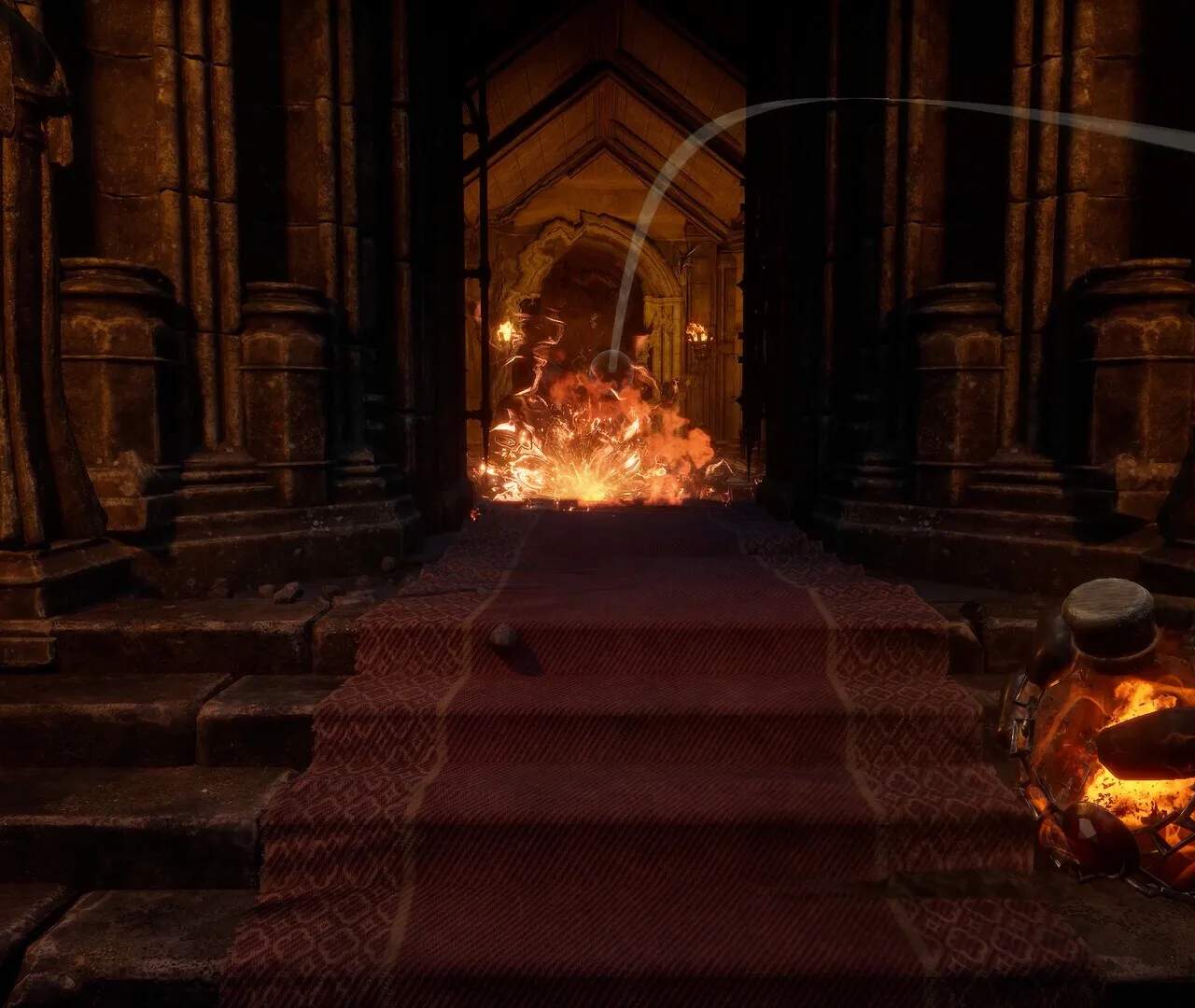
Foes and Fears: Enemies & Bosses in Dungeonborne
The Forsaken Realm is teeming with a diverse array of enemies and formidable bosses, each presenting unique challenges and requiring different strategies to overcome. Understanding the types of foes you'll encounter, their behaviors, and their weaknesses is paramount to survival and success in Dungeonborne.
From the lowliest goblin to the most ancient dragon, the enemies in Dungeonborne are designed to test your skills, reflexes, and buildcrafting prowess. They range from common fodder that can overwhelm you with numbers to elite threats that demand your full attention and tactical acumen.
Common Enemy Types:
- Melee Combatants: These enemies will rush towards you, attempting to engage in close-quarters combat. They can range from lightly armored bandits to heavily armored brutes. Their attacks often involve swings, stabs, or slams.
- Ranged Attackers: Archers, mages, and other ranged foes will attempt to damage you from a distance. They often prioritize staying out of melee range and may have abilities that slow or debuff you.
- Swarms: Smaller, weaker enemies that attack in large numbers. They can be dangerous if not dealt with quickly, as they can overwhelm players through sheer volume.
- Specialized Units: Some enemies might have unique roles, such as healers, summoners, or debuffers, that require specific targeting priorities.
Elite Enemies:
Elite enemies are a step up from regular foes. They often have increased health, deal more damage, and possess unique abilities or modifiers that make them significantly more dangerous. These might include:
- Affixes: Special properties like 'Vampiric' (heals on hit), 'Shielded' (absorbs damage), or 'Desecrator' (leaves damaging pools).
- Unique Abilities: Elite enemies might have powerful, signature attacks that require specific avoidance or counter-play.
Bosses:
Bosses are the ultimate challenges within dungeons and specific areas of the Forsaken Realm. They are typically large, powerful creatures or individuals with complex mechanics, multiple attack phases, and devastating signature abilities. Defeating a boss often requires:
- Pattern Recognition: Learning the boss's attack animations and tells is crucial for dodging and evading.
- Phase Transitions: Bosses often change their attack patterns or gain new abilities as their health depletes. Understanding these phases is key to adapting your strategy.
- Environmental Interaction: Some bosses might utilize the environment, or the environment might pose hazards during the fight.
- Resource Management: Boss fights can be lengthy, requiring careful management of health, mana, and cooldowns.
- Team Coordination (for group bosses): If fighting a boss with others, clear communication and coordinated efforts are essential for survival and victory.
Examples of bosses could include ancient liches, colossal beasts, or corrupted guardians, each with their own unique lore and combat encounters. Mastering the art of fighting these enemies is fundamental to progressing through Dungeonborne and claiming victory over the Forsaken Realm.