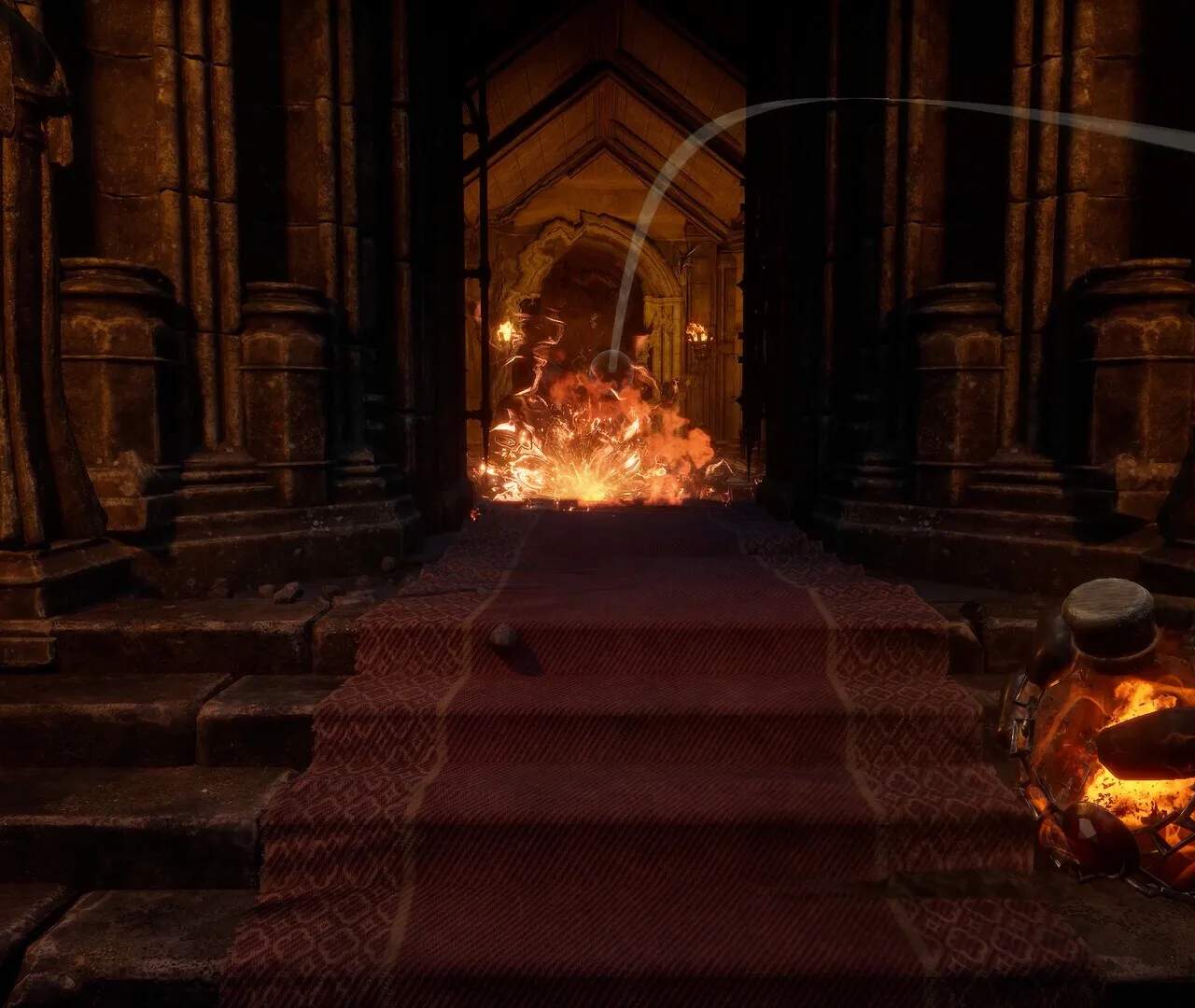
Party System — Dungeonborne Guide
The party system in Dungeonborne is designed to foster cooperation and enhance the dungeon-crawling experience. Venturing into the depths with friends or allies can significantly increase your chances of survival and the potential for greater rewards.
While Dungeonborne can be enjoyed solo, the game truly shines when players team up. A well-coordinated party can overcome challenges that would be insurmountable for a lone adventurer. The party system allows for strategic role distribution, shared resources, and mutual support, making each expedition a collaborative effort.
Forming a Party:
- Inviting Friends: The most straightforward way to form a party is by inviting friends from your in-game friend list.
- Matchmaking: For players looking to team up with others, Dungeonborne offers matchmaking options that can place you with like-minded adventurers seeking a group.
- Joining Existing Parties: You may also have the option to join parties that are already formed and looking for additional members.
Benefits of Playing in a Party:
- Enhanced Combat Prowess: Different classes and builds can complement each other. A tank can absorb damage, a healer can sustain the party, and damage dealers can quickly eliminate threats. This synergy makes tackling tougher enemies and bosses much more manageable.
- Shared Loot Distribution: While specific loot rules can vary, parties often have systems in place for fair distribution of found items, ensuring everyone benefits from the group's success.
- Increased Survival Rate: Having allies to revive you, provide covering fire, or draw enemy aggro significantly increases your chances of surviving dangerous encounters and failed extractions.
- Strategic Coordination: Parties allow for complex strategies. You can coordinate attacks, set up ambushes, or divide tasks to clear areas more efficiently.
- Resource Sharing: You can often share consumables like potions or crafting materials, ensuring the party has the resources needed for a successful run.
- Social Interaction: Playing with friends or new allies adds a social dimension to the game, making the experience more enjoyable and memorable.
Party Roles and Composition:
A balanced party composition is key to success. While Dungeonborne's class system offers flexibility, common roles include:
- Tank: A character focused on high defense and health, designed to draw enemy attention and absorb damage.
- Healer: A character specializing in restoring health and providing buffs to allies.
- Damage Dealer (DPS): Characters focused on maximizing their offensive output to quickly defeat enemies. This can be melee, ranged, or magic-based.
- Support: Characters who provide utility, crowd control, debuffs, or unique buffs that enhance the party's overall effectiveness.
Tips for Effective Party Play:
- Communication is Key: Use voice chat or in-game text chat to communicate enemy positions, call out threats, and coordinate actions.
- Stick Together: While splitting up can sometimes be strategic, generally staying within proximity of your party members allows for quick assistance and support.
- Respect Roles: Understand and respect the roles of your party members. Don't expect your healer to tank, or your tank to deal massive damage.
- Share Information: Alert your party to valuable loot, dangerous traps, or hidden paths you discover.
- Be Patient: Not every run will be perfect. Be patient with your teammates, offer constructive feedback, and learn from mistakes together.
The party system in Dungeonborne transforms a solitary quest into a shared adventure, offering greater challenges and more rewarding triumphs. By working together, You can conquer the darkest depths and emerge victorious.