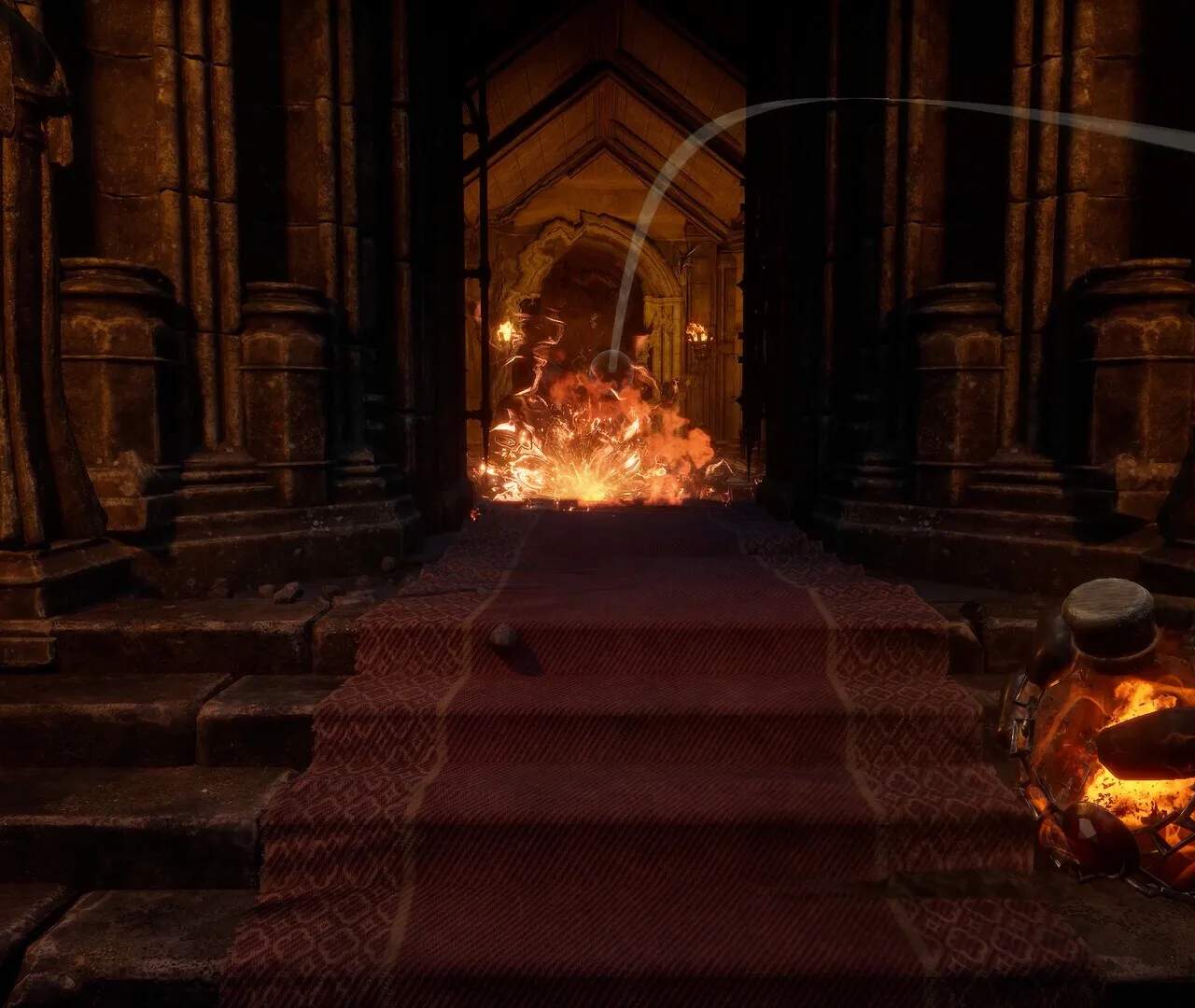
Player trading in Dungeonborne is a vital component of its economy, allowing adventurers to exchange goods and services. Whether you're looking to acquire rare items, offload surplus loot, or find specific crafting materials, understanding the trading system is key to thriving in the game's marketplace.
The Role of Player Trading
Dungeonborne features a robust player-driven economy, and trading is its lifeblood. This system allows players to interact directly, fostering a dynamic marketplace where supply and demand dictate the value of goods. Whether you're a seasoned merchant or a casual adventurer, participating in trade can significantly enhance your progression and wealth.
Methods of Trading
There are typically several ways You can engage in trading:
- Direct Player-to-Player Trades: The most straightforward method. You can initiate a trade window with each other, allowing for the direct exchange of items and currency. This is often done in designated safe zones or by meeting up in the world.
- Auction Houses/Marketplaces: Many games feature a central auction house or marketplace where You can list items for sale at a set price or for bidding. This is ideal for selling bulk items or reaching a wider audience.
- Player Shops: Some games allow players to set up their own personal shops within the game world, displaying their wares and setting their own prices.
Currency and Bartering
The primary currency in Dungeonborne is likely to be gold or a similar in-game denomination. However, high-value trades might also involve bartering, where players exchange rare items directly without the use of currency. Understanding the relative value of different items is crucial for successful bartering.
What Can Be Traded?
Most items in Dungeonborne can be traded, including:
- Gear: Weapons, armor, accessories, and any other equipment you find.
- Crafting Materials: Ores, herbs, monster parts, and other components.
- Consumables: Potions, elixirs, and food items.
- Cosmetic Items: Skins, emotes, and other visual enhancements.
- Currency: In-game gold or other forms of wealth.
However, some items might be soulbound or account-bound, meaning they cannot be traded once acquired.
Tips for Successful Trading
To excel in Dungeonborne's trading scene:
- Know Your Market: Research the prices of items you're interested in buying or selling. What's in high demand? What's readily available?
- Be Patient: Finding the right buyer or seller can take time. Don't rush into unfavorable deals.
- Be Honest and Fair: Building a good reputation as a trustworthy trader is invaluable.
- Utilize Trade Channels: Many games have dedicated chat channels for trading.
- Understand Item Value: Rarity, stats, enchantments, and current meta trends all influence an item's worth.
- Consider Crafting: Crafting sought-after items can be a lucrative way to enter the trading market.
- Watch for Scams: Be wary of players who try to rush trades or offer deals that seem too good to be true. Always double-check the items in the trade window.
The Economic Impact
Player trading has a profound impact on the game world. It allows players who excel at certain activities (like crafting or farming specific materials) to benefit from the skills of others. It also ensures that rare items, even if not directly useful to You who found them, can still find their way into the hands of those who can best utilize them, driving overall player power and engagement.