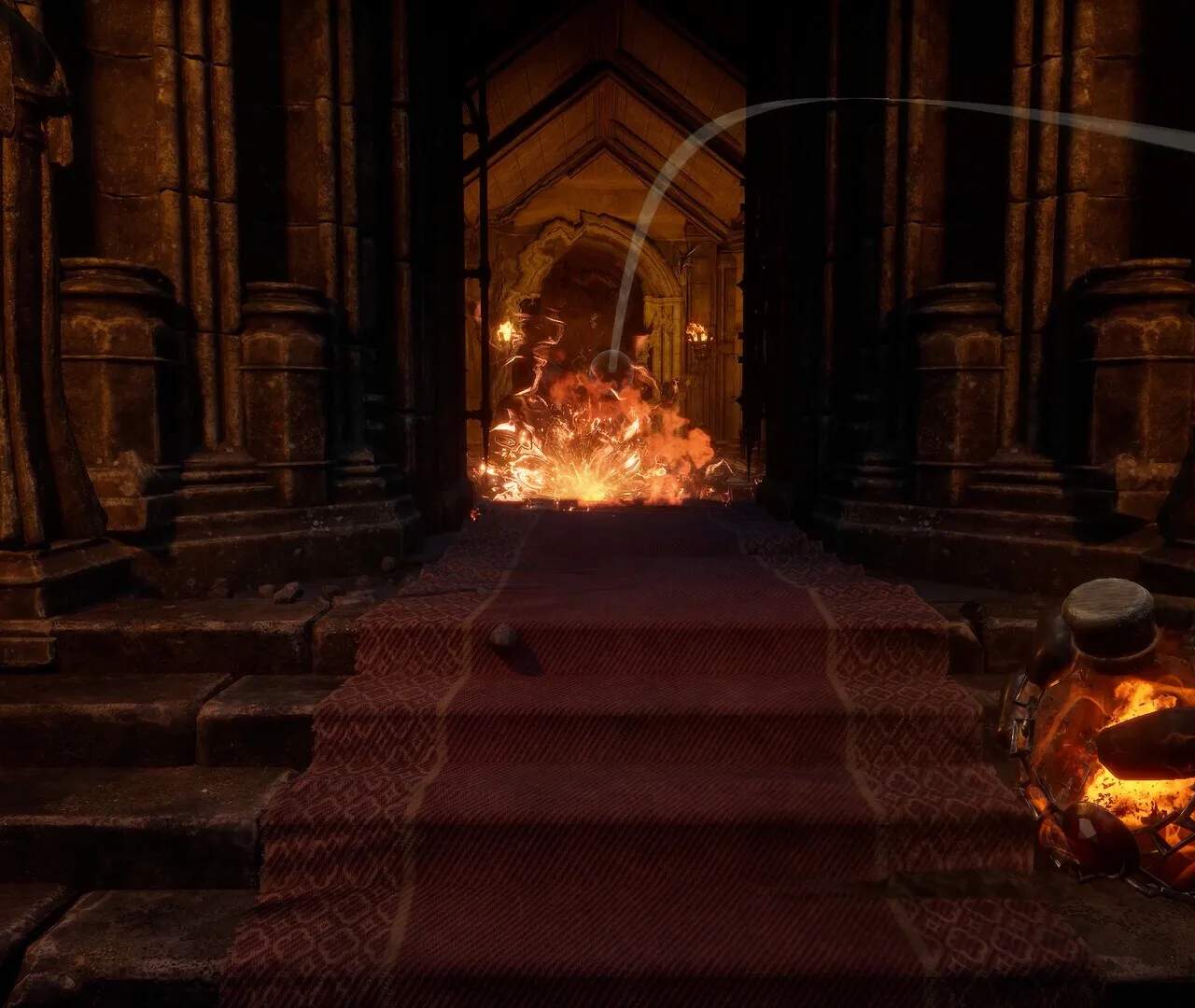
Equipment System — Dungeonborne Guide
The Equipment System in Dungeonborne is the backbone of character progression, dictating your power, survivability, and overall effectiveness in combat. From the weapons you wield to the armor you wear and the trinkets you adorn, every piece of equipment plays a role in shaping your adventurer. This guide provides a comprehensive overview of the equipment system, its components, and how to optimize your loadout.
At its core, the equipment system revolves around equipping items into various slots on your character. These slots typically include Weapon(s), Head, Chest, Hands, Legs, Feet, and Accessory slots (such as Necklaces, Rings, and Trinkets). Each item equipped in these slots contributes to your character's base stats, resistances, and can offer unique passive or active effects.
Item Rarity and Quality: As mentioned previously, items are categorized by rarity, indicated by color: Common (grey/white), Uncommon (green), Rare (blue), Epic (purple), and Legendary (orange/gold). Higher rarity items possess superior stats, more potent effects, and often unique set bonuses. Legendary items are exceptionally rare and can fundamentally alter a character's capabilities, often defining specific builds.
Stats and Affixes: Every piece of equipment comes with a set of stats, often referred to as affixes. These can range from primary attributes like Strength, Dexterity, Intelligence, and Constitution, to secondary stats such as Critical Hit Chance, Haste, Armor Penetration, and Elemental Resistances. Understanding which stats are most beneficial for your chosen class and build is paramount. For instance, a Pyromancer will prioritize Intelligence and spell power, while a Fighter will focus on Strength and Constitution.
Set Bonuses: Many higher-tier armor pieces belong to specific sets. Equipping multiple pieces from the same set often unlocks powerful set bonuses, which can provide significant boosts to your character's performance. These bonuses can range from flat stat increases to entirely new abilities or enhancements to existing ones. Identifying and collecting pieces from synergistic sets is a key aspect of end-game gearing.
Item Enhancement and Enchanting: The equipment system is further deepened by mechanics for improving existing gear. Item Enhancement allows you to increase the base stats of an item, often by using specific crafting materials or currency. Enchanting, on the other hand, allows you to add new magical properties or enhance existing ones, further customizing your gear. These systems are crucial for pushing your character's power to its limits.
Durability and Repair: While not always a primary focus, some games feature equipment durability. Using your gear in combat can cause it to degrade, reducing its effectiveness. Players typically need to visit NPCs like blacksmiths to repair their equipment to maintain its optimal performance. This adds a layer of resource management to long adventuring sessions.
Ultimately, the equipment system in Dungeonborne is designed to provide a clear path for character growth and customization. By understanding how to acquire, evaluate, and enhance your gear, you can build a formidable adventurer capable of conquering any challenge the Forsaken Realm throws at you.