Engine
Dungeonborne is built upon a powerful and versatile game engine, designed to deliver stunning visuals, complex gameplay mechanics, and a seamless player experience. The choice of engine is fundamental to the game's performance, graphical fidelity, and overall technical capabilities.
Modern game engines are sophisticated tools that provide developers with a robust framework for creating immersive worlds and engaging gameplay. For Dungeonborne, the engine is responsible for everything from rendering detailed environments and character models to managing complex AI, physics, and network synchronization for multiplayer interactions. The engine's capabilities directly influence how the game looks, feels, and performs.
Key Aspects of a Game Engine:
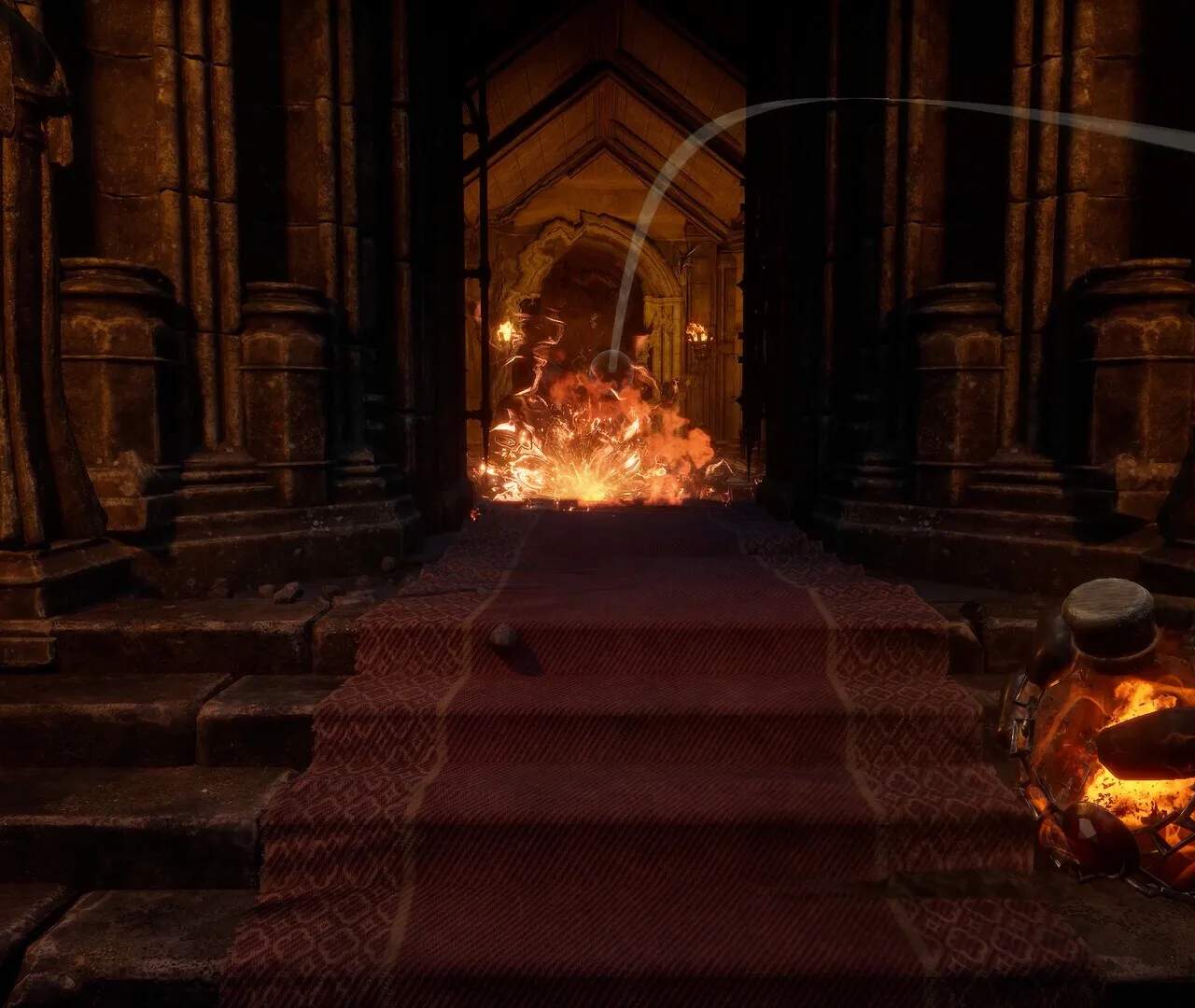
- Rendering and Graphics: The engine handles how the game's visuals are created and displayed. This includes lighting, shadows, textures, particle effects, and post-processing. A good engine can produce photorealistic or stylized graphics that enhance immersion.
- Physics and Animation: It governs how objects interact with each other and the environment (physics) and how characters and creatures move and animate. Realistic physics and fluid animations are crucial for believable gameplay.
- Artificial Intelligence (AI): The engine manages the behavior of non-player characters (NPCs), including enemies. This involves pathfinding, decision-making, and combat routines. Advanced AI can create more challenging and dynamic encounters.
- Audio System: The engine integrates and manages all sound effects, music, and voiceovers, often with advanced features like spatial audio for immersive soundscapes.
- Networking and Multiplayer: For online games like Dungeonborne, the engine provides the framework for handling player connections, synchronizing game states across multiple clients, and managing server infrastructure.
- Scripting and Logic: Developers use the engine's scripting capabilities to implement game logic, des quests, and define character abilities and interactions.
- Tools and Workflow: Game engines come with a suite of development tools that streamline the creation process for artists, desers, and programmers.
Dungeonborne's Engine Considerations:
While the specific engine used for Dungeonborne will be officially announced by the developers, common choices for modern PC and console games include engines like Unreal Engine or Unity, or proprietary engines developed in-house. Regardless of the specific engine, it is chosen to:
- Support High-Fidelity Graphics: To create the detailed and atmospheric dungeons players expect.
- Enable Complex Gameplay Systems: Such as the extraction mechanic, PvPvE interactions, and diverse character abilities.
- Ensure Robust Multiplayer Performance: For smooth and responsive online cooperative and competitive play.
- Facilitate Iterative Development: Allowing developers to efficiently update and expand the game over time.
The underlying engine is the silent architect of the Dungeonborne experience. It's the foundation upon which all the game's features, from its breathtaking visuals to its thrilling combat, are built. A well-chosen and expertly utilized engine is key to delivering a high-quality and memorable gaming adventure.