PC Platform Guide
Overview
Dungeonborne is meticulously crafted for the PC platform, aiming to deliver a deeply immersive and strategically rich dungeon-crawling experience. Leveraging the inherent strengths of PC hardware, the game offers unparalleled visual fidelity, responsive controls, and extensive customization options. This guide details the PC-specific features, system requirements, and considerations for players embarking on their adventures in the treacherous depths.
Key Features for PC Players
- Precision Mouse & Keyboard Controls: Dungeonborne is optimized for the definitive PC input method. Players will experience pinpoint accuracy for ranged attacks, swift execution of complex spell rotations, and intuitive management of inventory and abilities, all facilitated by a finely tuned mouse and keyboard setup.
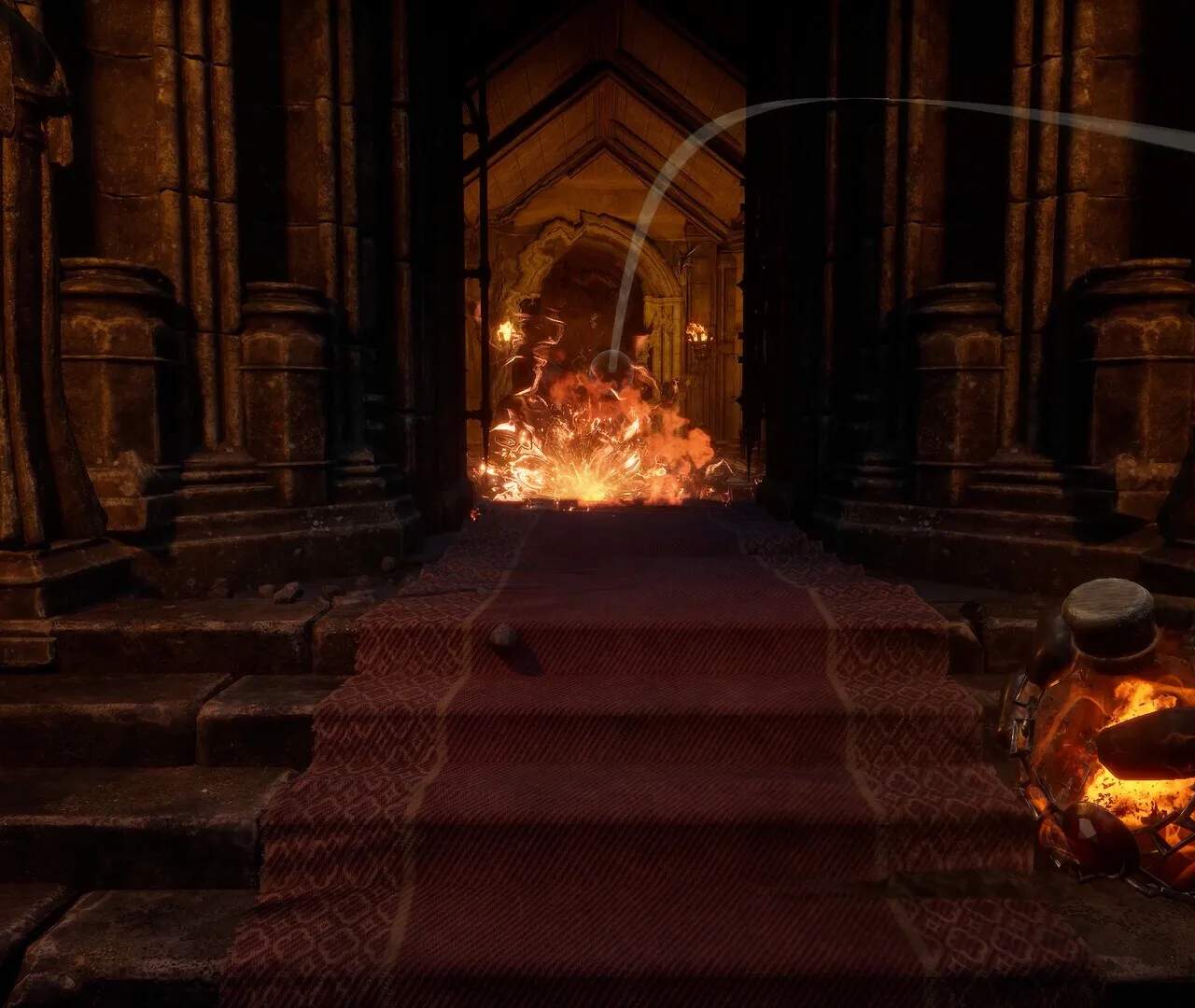
- Stunning Visual Fidelity: Built on a modern engine, Dungeonborne showcases the graphical prowess of gaming PCs. Expect breathtaking environments rendered with high-resolution textures, dynamic lighting and shadows, realistic particle effects, and fluid character animations that breathe life into the dark and dangerous world.
- Scalable Performance & Graphics: The development team is committed to ensuring Dungeonborne runs smoothly across a wide spectrum of PC hardware. Players will have access to a comprehensive suite of graphics settings, allowing them to fine-tune visual quality to achieve their desired balance between aesthetic splendor and frame rate performance.
- Extensive Customization Options: Beyond graphical settings, PC You can expect deep customization for controls, audio, and the user interface. Keybindings can be remapped, UI elements can be adjusted for clarity, and audio levels can be tailored to individual preferences, creating a truly personalized gameplay experience.
- Community & Modding Potential: The PC platform is renowned for its vibrant communities and the potential for user-generated content. While official mod support will be detailed by the developers, the PC environment inherently fosters player creativity and the sharing of experiences, potentially leading to a rich ecosystem of community-driven content and modifications.
- Robust Online Multiplayer: Dungeonborne's cooperative dungeons and intense PvPvE encounters are fully realized on PC. The game will use a robust online infrastructure to provide seamless matchmaking, stable connections, and an engaging multiplayer experience for groups of adventurers.
- Controller Support: While optimized for mouse and keyboard, Dungeonborne will also offer support for several PC-compatible gamepads. This provides players with the flexibility to choose their preferred input method for a comfortable and immersive experience.
System Requirements
The following are placeholder system requirements. Specific details will be updated closer to launch or during Early Access. Players are encouraged to check official Dungeonborne channels for the most up-to-date information.
Minimum System Requirements (Placeholder)
- Operating System: Windows 10 (64-bit)
- Processor: Intel Core i5-4690 / AMD FX 8350
- Memory: 8 GB RAM
- Graphics: NVIDIA GeForce GTX 970 / AMD Radeon R9 290
- DirectX: Version 11
- Storage: 50 GB available space
- Sound Card: DirectX Compatible
Recommended System Requirements (Placeholder)
- Operating System: Windows 10 (64-bit)
- Processor: Intel Core i7-7700K / AMD Ryzen 5 2600X
- Memory: 16 GB RAM
- Graphics: NVIDIA GeForce RTX 2070 / AMD Radeon RX 5700 XT
- DirectX: Version 12
- Storage: 50 GB available space (SSD Recommended)
- Sound Card: DirectX Compatible
Getting Started: First Steps on PC
Upon launching Dungeonborne on your PC, you'll be greeted by the main menu. Here, you can configure your settings, access multiplayer, and begin your journey. It is highly recommended to immediately navigate to the 'Options' menu to adjust your graphics and control preferences.
- Graphics Settings:
- Resolution: Set to your monitor's native resolution for the sharpest image.
- Display Mode: Choose 'Fullscreen' for optimal performance or 'Windowed Fullscreen' for easier alt-tabbing.
- Texture Quality, Shadow Quality, Anti-Aliasing: Adjust these based on your GPU's capabilities. Lowering these settings can significantly improve frame rates on less powerful hardware.
- V-Sync: Enable if you experience screen tearing, but be aware it can introduce input lag.
- Control Settings:
- Mouse Sensitivity: Fine-tune this to your preference for accurate aiming and camera control.
- Keybindings: Familiarize yourself with the default keybinds for movement (WASD), abilities (1-5, Q, E, R, F), inventory (I), map (M), and interaction (F). Consider remapping keys for frequently used abilities to more comfortable positions.
- Controller Configuration: If using a gamepad, ensure it's recognized by your PC and configure its buttons within the game's settings.
- Audio Settings: Adjust master volume, music, sound effects, and voice chat levels to your liking. Good audio cues are vital for detecting enemies and environmental hazards.
- Start New Game: Once your settings are optimized, select 'New Game' to begin your adventure. You will be prompted to create or select a character.
Early Game Strategy: The Sunken Crypts
Your initial foray into Dungeonborne will likely take you through the 'Sunken Crypts,' a tutorial-focused area designed to introduce core mechanics. Pay close attention to the on-screen prompts.
Objective: Retrieve the Amulet of Whispers
This early quest requires you to navigate through several chambers, defeat minor undead foes, and locate a specific artifact.
Key Locations & Enemies:
- Entrance Hall: Your starting point. Features basic traps and weak 'Skeletal Grunts.'
- Flooded Passages: Narrow corridors with 'Ghoul Crawlers' that can ambush from alcoves. Watch for pressure plates that trigger dart traps.
- The Ossuary: A larger chamber filled with 'Skeletal Warriors' and a 'Bone Golem' mini-boss. The Golem is slow but hits hard; dodge its slams and focus fire.
- Altar Chamber: The final room where the 'Amulet of Whispers' is guarded by a 'Crypt Lord.'
Boss Strategy: Crypt Lord
- Weakness: Vulnerable to blunt damage (maces, hammers) and holy magic.
- Attacks:
- Soul Drain: A channeled spell that heals the Crypt Lord. Interrupt this if possible.
- Spectral Slash: A wide, sweeping melee attack. Dodge backward or to the side.
- Summon Undead: Periodically summons additional Skeletal Grunts. Prioritize clearing these adds to avoid being overwhelmed.
- Recommended Loadout: A one-handed weapon with a shield for defense, or a two-handed mace for higher damage output. If playing a spellcaster, focus on holy or arcane damage spells.
Rewards:
- Amulet of Whispers: (Quest Item)
- Experience Points: Significant boost for early leveling.
- Gold: Approximately 50-100 gold pieces.
- Potential Gear Drop: A chance for a common-quality weapon or armor piece.
Common Pitfalls in the Sunken Crypts:
- Ignoring Traps: Pressure plates and crumbling floors can deal significant damage or lead to falls. Always scan the environment.
- Over-aggroing: Pulling too many enemies at once will quickly lead to death. Use choke points and single-target engagement.
- Underestimating Adds: The Crypt Lord's summoned undead can quickly overwhelm an unprepared player.
By mastering these early challenges and optimizing your PC settings, you'll be well-prepared to face the deeper, more perilous dungeons that await in Dungeonborne.