Verticality in Des
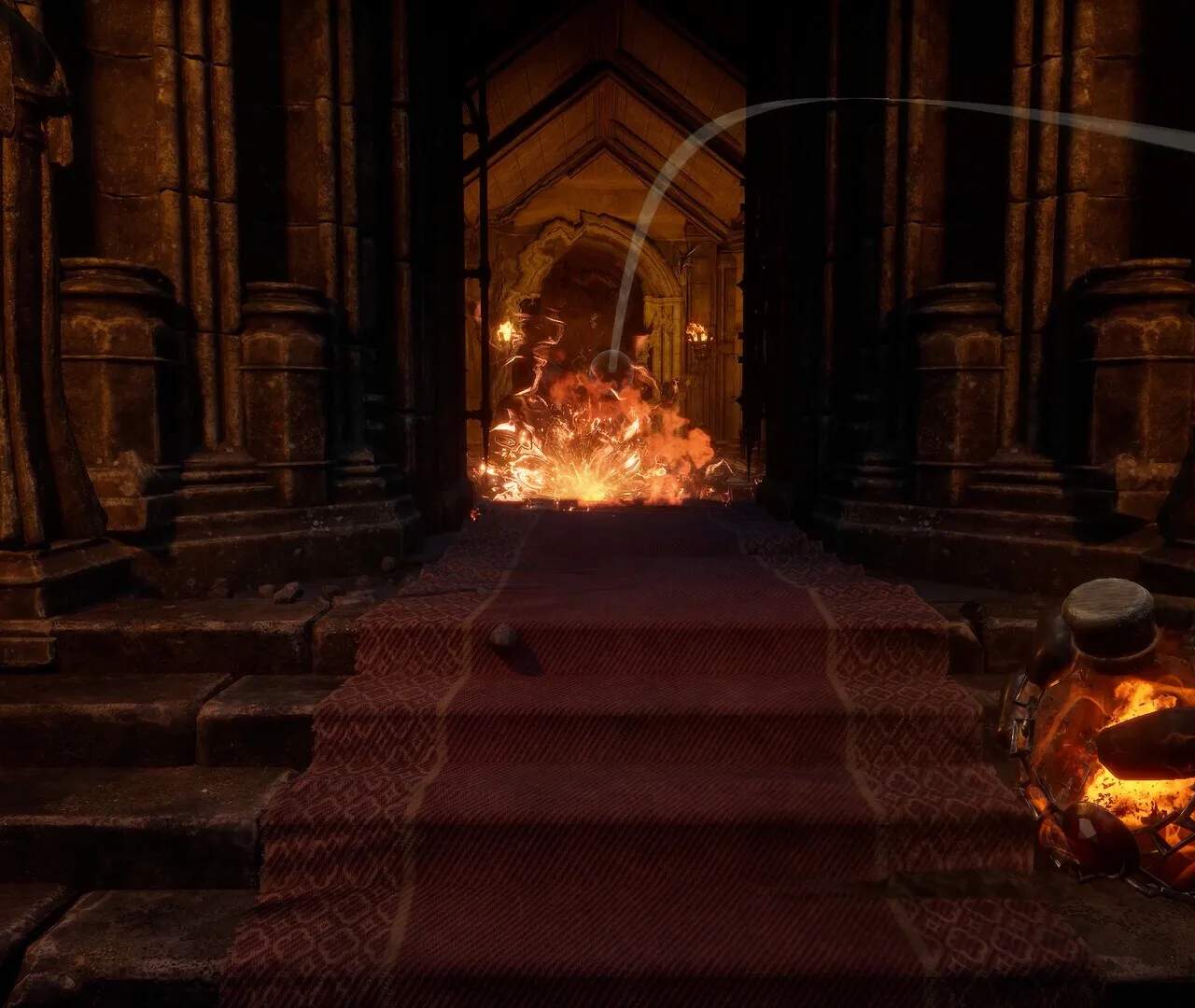
Dungeonborne masterfully employs verticality to create dynamic and engaging dungeon environments. This des choice isn't just for show; it fundamentally impacts gameplay, offering new tactical advantages and challenging exploration routes. Mastering the use of height is crucial for both survival and loot acquisition.
The dungeons in Dungeonborne are not flat, linear corridors. Instead, they feature multiple levels, precarious ledges, hidden passages, and cavernous drops. This verticality forces players to constantly assess their surroundings, not just horizontally but also up and down. Enemies can attack from above or below, and valuable loot might be stashed on inaccessible platforms, requiring clever maneuvering or specific abilities to reach.
Key aspects of verticality include:
- Tactical Advantage: Positioning yourself on higher ground can provide a significant advantage in combat. You can rain down attacks on unsuspecting enemies below, gain better visibility of approaching threats, and create choke points. Conversely, being caught at the bottom of a ravine can leave you vulnerable to ranged attacks and ambushes from above.
- Exploration Challenges: Reaching certain areas might require careful platforming, the use of grappling hooks (if available through items or abilities), or finding hidden staircases and ramps. These hidden paths often lead to secret rooms filled with better loot or offer alternative routes to bypass dangerous encounters.
- Environmental Hazards: Verticality introduces new environmental hazards. Falling from a great height can be fatal, and some areas might have unstable platforms or rockfalls triggered by movement. Players must be mindful of their footing and the integrity of the structures around them.
- Enemy Placement: Enemies are often strategically placed on ledges, balconies, or in pits to leverage the vertical des. Archers and mages will frequently occupy high ground, while melee threats might emerge from lower levels. Understanding these placements is key to planning your approach.
To effectively navigate these multi-tiered environments, always be scanning their surroundings. Look for climbable surfaces, ledges that can be jumped to, and potential fall damage. Abilities that allow for enhanced movement, such as double jumps or short-range teleports, become invaluable. Furthermore, understanding enemy patrol routes that utilize vertical space can help in planning ambushes or stealthy approaches.
The integration of verticality transforms simple dungeon crawls into complex tactical puzzles, rewarding observant and agile players. It's a core element that defines the unique feel of Dungeonborne's exploration.