Treasure Hunting
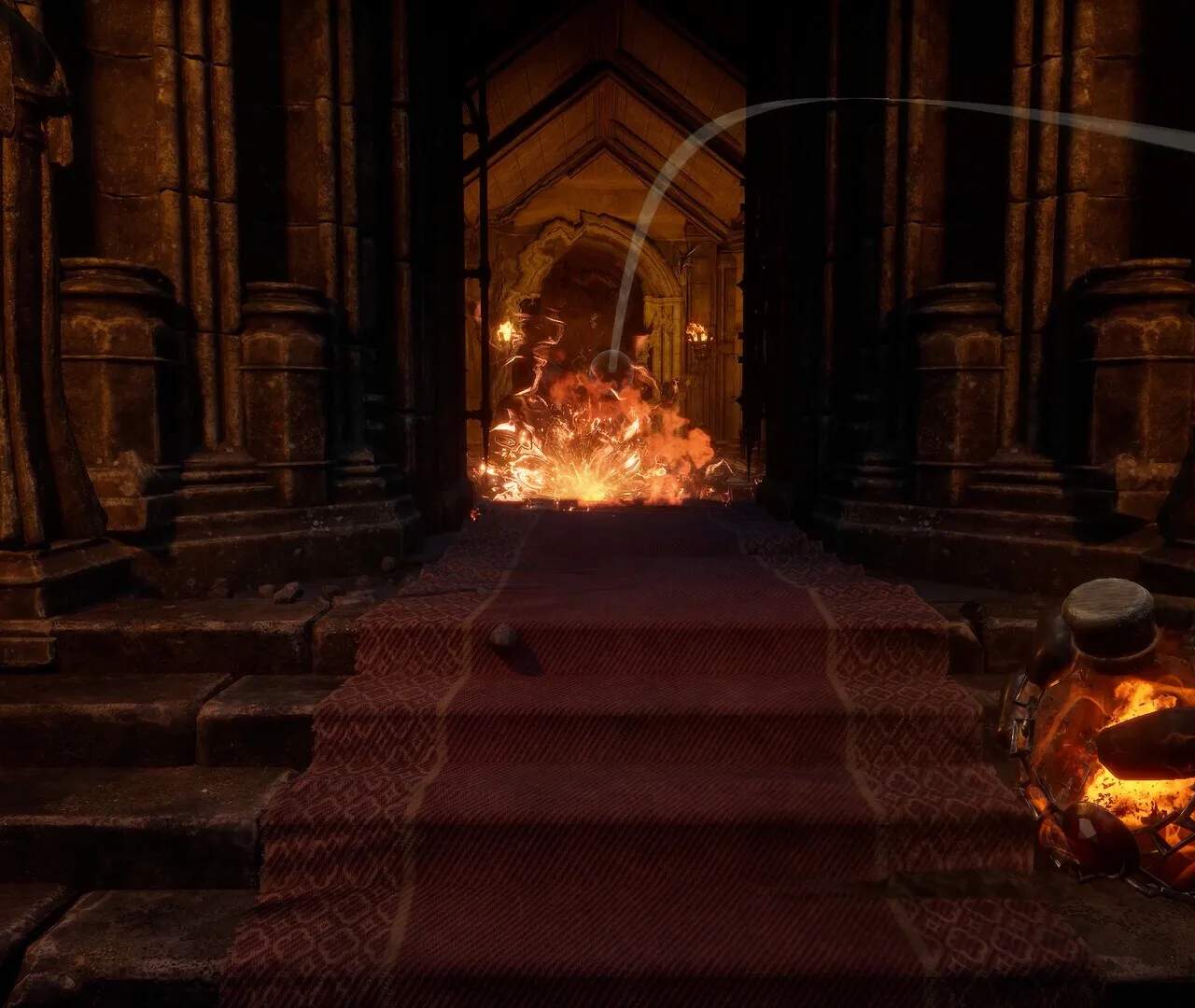
Treasure hunting is a core pillar of the Dungeonborne experience, driving players to explore every nook and cranny of its perilous dungeons. The allure of rare artifacts, powerful gear, and valuable currency fuels the desire to delve deeper and take on greater risks.
From common coin purses to legendary enchanted weapons, the dungeons are littered with potential riches. These treasures are not just for personal gain; they are the lifeblood of your progression, allowing you to upgrade your gear, craft new items, and prepare for even more challenging expeditions. The thrill of discovering a hidden cache or a rare drop is a significant part of the game's appeal.
Types of Treasures:
- Gear and Equipment: This includes weapons, armor, accessories, and trinkets. These items can have varying rarities and stats, significantly impacting your character's combat effectiveness. Finding a piece of gear that perfectly complements your build can be a game-changer.
- Consumables: Potions for healing, mana regeneration, buffs, and antidotes are vital for survival. Grenades, traps, and other tactical items also fall into this category.
- Crafting Materials: Various ores, herbs, monster parts, and arcane essences are used to craft new items or upgrade existing ones at the blacksmith or alchemist.
- Currency: Gold, gems, or other forms of in-game currency are essential for purchasing items from vendors, trading with other players, or using certain crafting services.
- Quest Items: Specific items required to complete in-game quests or objectives, which often lead to significant rewards.
- Cosmetics: While not directly impacting gameplay, cosmetic items like skins or unique visual effects can be highly sought after by players looking to personalize their characters.
Where to Find Treasure:
- Chests: Scattered throughout dungeons, chests are a primary source of loot. They can range from simple wooden chests to ornate, locked strongboxes that might require a key or a lockpicking skill.
- Enemy Drops: Defeated enemies, especially elite variants and bosses, have a chance to drop valuable loot. The quality of drops often scales with the difficulty of the enemy.
- Hidden Stashes: Secret rooms, breakable walls, or hidden alcoves can contain caches of treasure that are not immediately obvious. Keen observation and exploration are rewarded.
- Environmental Interactions: Some treasures might be found in barrels, crates, or even dropped by specific environmental events.
- Quest Rewards: Completing quests or objectives within a dungeon often yields guaranteed, high-quality loot.
Strategies for Effective Treasure Hunting:
Exploration is Key: Never rush through a dungeon without thoroughly exploring. Check behind corners, look for suspicious-looking walls, and investigate any unusual formations. The most valuable loot is often hidden away from the main paths.
Prioritize Loot: With limited inventory space, you'll need to make tough decisions. Learn to identify valuable items quickly. Generally, higher rarity gear, rare crafting materials, and significant amounts of currency should be prioritized. If you're unsure, err on the side of caution and take items that offer a clear upgrade or significant value.
Be Wary of Traps: Treasure chests and hidden stashes can sometimes be trapped. Always approach with caution, and if possible, disarm traps before opening. A valuable find is worthless if it leads to your demise.
Know Your Extraction Points: As you gather loot, keep an eye on your inventory and the proximity of extraction points. The more valuable items you carry, the higher the risk if you're defeated. Don't let greed lead to a failed extraction.