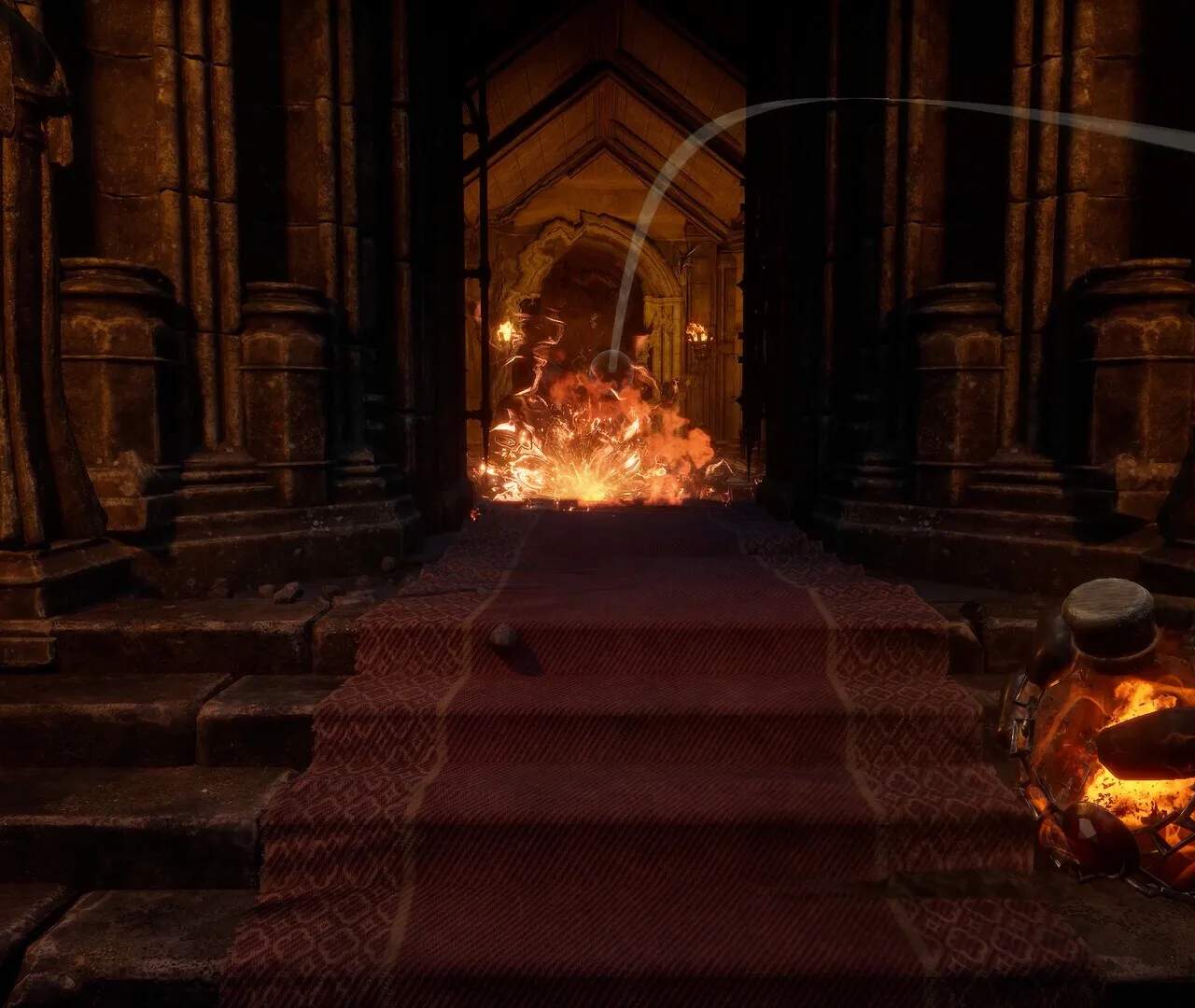
Regions and Maps
The Forsaken Realm in Dungeonborne is a vast and varied world, comprised of distinct regions, each with its own unique environments, inhabitants, and challenges. Understanding these regions and the maps that represent them is crucial for effective exploration, resource gathering, and strategic planning.
Each region in Dungeonborne offers a different aesthetic and gameplay experience. You might start in the relatively safe, low-level zones like the Whispering Caves, gradually progressing to more dangerous and complex areas such as the treacherous swamps of the Mirelands, the desolate ruins of the Sunken City, or the formidable fortifications of Clouseau Castle.
The maps within these regions are your primary navigational tool. They typically display your current location, points of interest, known enemy spawn points, and extraction zones. The level of detail on the map can vary, with some areas revealing more information as you explore them.
Key aspects of regions and maps:
- Environmental Diversity: From dense forests and dark caves to arid deserts and icy tundras, each region offers unique visual and gameplay elements.
- Enemy Biomes: Different regions are populated by specific types of creatures that are adapted to their environment.
- Resource Distribution: Crafting materials, rare herbs, and valuable ores are often found in specific regions, encouraging exploration.
- Dungeon Entrances: Maps will highlight the locations of dungeons and other instanced areas within a region.
- Extraction Points: Crucial for survival, these are the designated zones where you can safely extract with your loot.
- Points of Interest: These can include hidden caches, lore objects, quest givers, or special vendors.
When entering a new region, take time to study its map. Identify potential threats, locate extraction points, and mark any areas of interest. The mini-map in your UI provides a real-time view of your immediate surroundings, but the larger regional map offers a broader strategic perspective.
Some regions might have unique mechanics or environmental effects. For example, a swamp region might have areas of deep water that slow you down, while a volcanic region might have pools of lava that inflict damage. Being aware of these regional characteristics can help you avoid unnecessary risks and exploit them to your advantage.
Mastering the geography of Dungeonborne is an ongoing process. As you explore further, you'll become more familiar with the layout of each region, the types of enemies you'll encounter, and the best routes for efficient looting and extraction. Your knowledge of the map is as valuable as any weapon in your arsenal.