The Old Town Transhumanist Ethics — Dying Light: The Beast Walkthrough
The Old Town in Dying Light: The Beast, while not explicitly discussing transhumanist ethics, presents a world where such ethical considerations are starkly highlighted by the extreme circumstances. The game's narrative and gameplay force players to confront the moral implications of survival, enhancement, and the very definition of humanity.
Transhumanist ethics often grapple with questions of access, equity, and the potential for creating societal divides if enhancements are not available to all. In The Old Town, the scarcity of resources and the constant threat of death create a brutal meritocracy. Those who can adapt, fight, and scavenge effectively are the ones who survive. This raises ethical questions about who deserves to live and what sacrifices are acceptable in the pursuit of survival or a better future.
The game's exploration of the Harran virus and its mutations also touches upon ethical concerns related to biological manipulation. If transhumanists seek to enhance humanity, what are the ethical boundaries? The uncontrolled mutations in Dying Light serve as a grim warning about the potential for biological 'enhancements' to go horribly wrong, leading to monstrous outcomes rather than improved existence. This raises questions about the responsibility that comes with scientific advancement.
The narrative often presents moral dilemmas where players must choose between helping one group of survivors at the expense of another, or making difficult decisions that have life-or-death consequences. These choices reflect the ethical quandaries that might arise in a society where radical human enhancement is possible. For instance, should resources be used to develop a cure that might only save a few, or to fortify a settlement for the many?
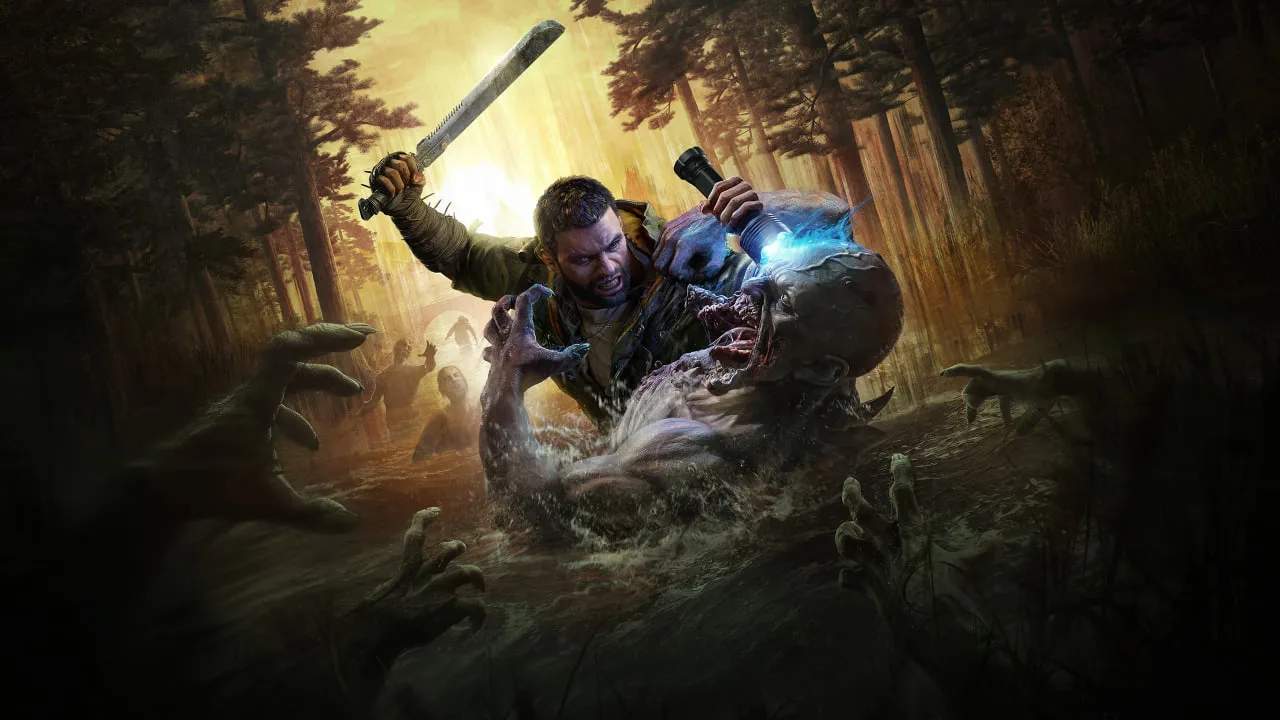
Furthermore, the concept of 'humanity' itself is challenged in The Old Town. The infected are no longer human, yet they were once people. This raises questions about identity, consciousness, and what defines a person. If transhumanism aims to alter human form and function, what are the ethical limits before one ceases to be considered human? The game forces players to confront these existential questions through its depiction of the infected.
The pursuit of survival in The Old Town often requires actions that might be considered ethically questionable in normal circumstances. This includes scavenging from the dead, betraying trust for personal gain, or resorting to extreme violence. These actions, while necessary for survival in the game's world, highlight the ethical compromises that can arise when fundamental human needs are threatened.
In essence, The Old Town serves as a dark, fictionalized exploration of the ethical challenges that might accompany radical biological and technological advancements. It prompts reflection on the responsibilities of science, the definition of humanity, and the difficult choices that must be made when survival is paramount, echoing many of the core concerns within transhumanist ethical debates.