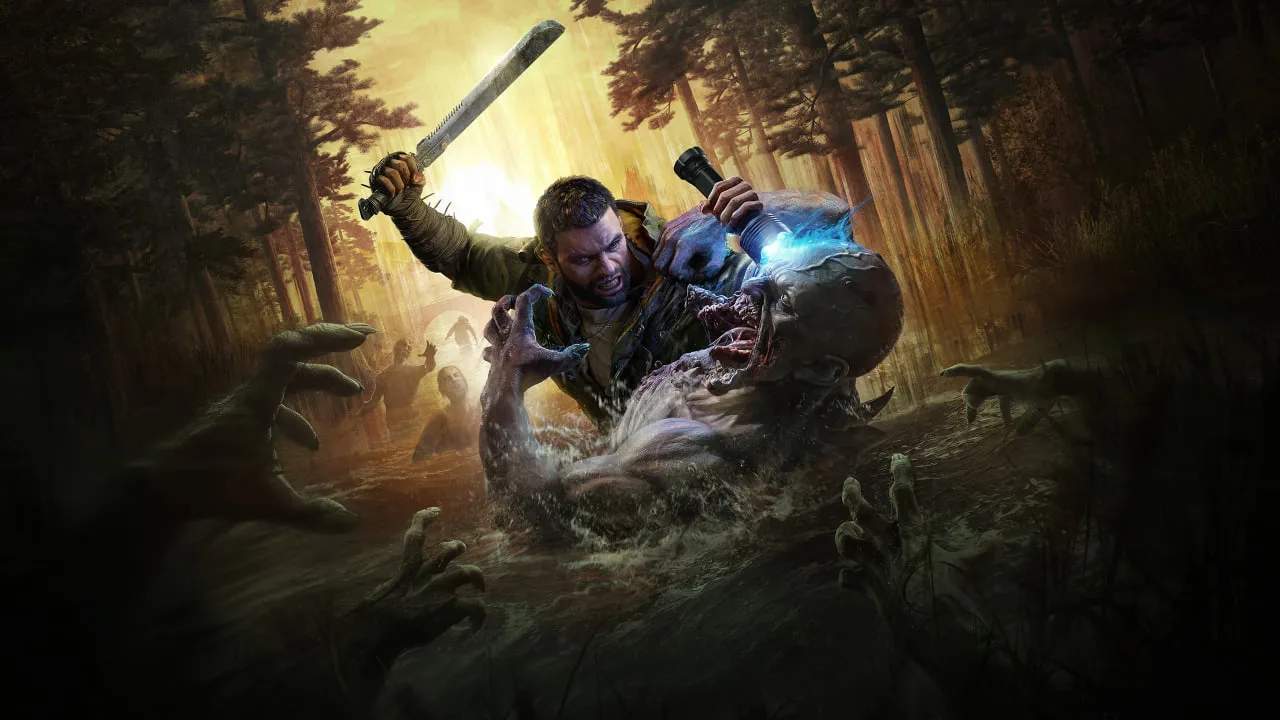
The Old Town Transhumanist Politics
The Old Town Transhumanist Politics delves into the governance, power structures, and societal organization within the Transhumanist Society. This section examines how their unique ideology translated into a political framework, and the inherent conflicts that arose from it.
Governing a society dedicated to radical self-modification presented unique political challenges. The Old Town Transhumanist Society likely developed a complex political system, potentially influenced by their technological advancements and their vision of a superior human future. This could have ranged from meritocratic councils of augmented individuals to more authoritarian structures desed to enforce their progressive agenda. The very definition of citizenship and rights might have been debated and redefined based on one's level of augmentation or contribution to the society's goals.
Internal political struggles were almost certainly a reality. Disagreements over the direction of research, the distribution of resources, the ethics of certain augmentations, or the balance between individual freedom and societal control would have fueled political maneuvering. Furthermore, their relationship with the outside world, particularly the governing bodies of Harran, would have been a sificant political factor. Were they a separate entity, a research arm, or a clandestine organization operating within the city's framework? The power dynamics between the society and external authorities could have been tense and complex, especially as their ambitions grew.
Key political aspects include:
- Governance Structure: How was the society ruled?
- Power Dynamics: Who held authority and how was it maintained?
- Membership and Rights: What defined a member and their political standing?
- Internal Factions: Political groups and their agendas.
- External Relations: Interactions with Harran's authorities and other groups.
As Crane explores the ruins of the Transhumanist Society, he will find evidence of their political machinations. Look for council chambers, official decrees, and records of political debates or power struggles. The remnants of their security systems and propaganda might also offer insights into their methods of control and influence. Understanding their political landscape is crucial to comprehending the internal tensions that may have contributed to their downfall. The 'Beast' could be a consequence of these political failures or a tool used in their power struggles.