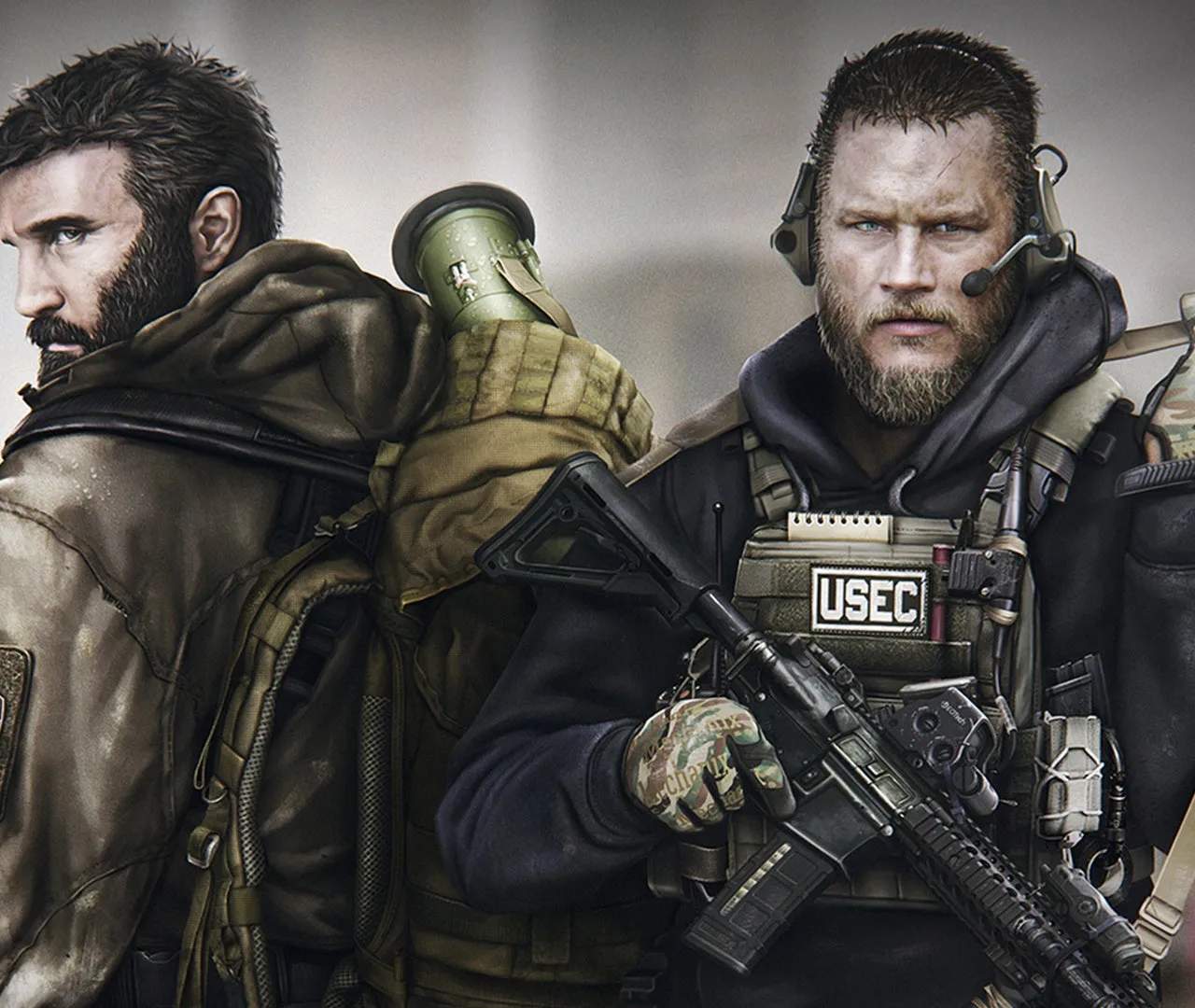
Team Formations and Roles
Escape from Tarkov can be a brutal solo experience, but playing with a squad significantly increases your chances of survival and success. Effective teamwork relies on clear communication, coordinated movements, and defined roles. Understanding how to form up and ass responsibilities within your team can transform a chaotic firefight into a well-oiled machine, allowing you to overcome even the most challenging encounters.
When forming a squad, communication is paramount. Use voice chat effectively, calling out enemy positions, loot, and your intentions. Clear and concise callouts are better than long, rambling descriptions. Stick together, but maintain enough spacing to avoid being wiped out by a single grenade or burst of fire.
Common team formations:
- Line Abreast: The team moves side-by-side, covering a wide front. This is good for pushing open areas or clearing buildings where enemies could be in multiple directions.
- Wedge/Arrowhead: The point man leads, with two players slightly behind and to the sides, and one or two players covering the rear. This formation offers good forward observation and protection against flanking.
- Column: Players move one behind the other. This is useful for navigating tight corridors or moving through dense foliage where visibility is limited.
Assing roles within the team can optimize your squad's effectiveness:
- Point Man/Scout: You at the front of the formation, responsible for spotting enemies and leading the way. They should be observant and have good situational awareness.
- Assault/Breacher: Players who are aggressive and focused on pushing engagements and clearing rooms. They often carry SMGs or assault rifles.
- Support/Marksman: Players who provide covering fire, suppress enemies, or engage targets at longer ranges. They might carry DMRs or sniper rifles.
- Medic: A player desated to focus on healing fallen teammates. They should carry ample medical supplies.
- Looter/Inventory Manager: While not a strict combat role, one player might be tasked with efficiently looting and managing the team's inventory, especially during downtime.
Effective team play involves:
- Mutual Support: Always be aware of your teammates' positions and provide covering fire or assistance when needed.
- Coordinated Pushes: Don't push objectives individually. Wait for your team to be ready.
- Flanking Maneuvers: Coordinate with your team to flank enemies, creating crossfires.
- Grenade Usage: Use grenades strategically to flush out enemies or deny areas.
- Loot Sharing: While loot is important, don't let greed compromise the team's survival.
By establishing clear formations and assing roles, your squad can operate with greater efficiency and survivability, turning the tide of battle in your favor.