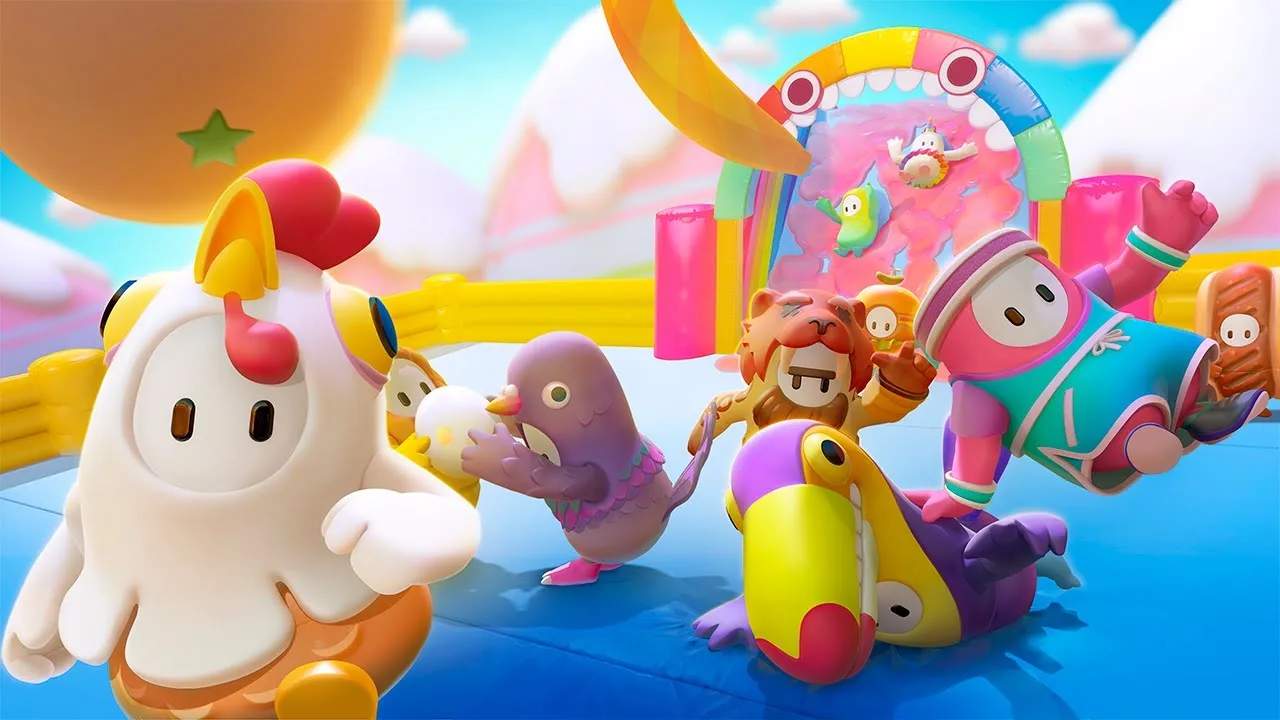
Starchart is a unique race round that challenges players to navigate a celestial path by hopping between constellations. Success requires understanding the patterns of the stars, timing your jumps across the void, and utilizing the cosmic currents to your advantage. It's a race through the cosmos, where precision is key.
Understanding Starchart
Starchart is a race round set against a cosmic backdrop. The course is made up of various constellations, which act as platforms. Players must jump from one constellation to another, progressing towards the finish line. The challenge lies in the gaps between constellations and the dynamic nature of some of these celestial bodies.
Constellation Navigation and Jumping
Navigating Starchart involves understanding how to traverse the constellations:
- Constellation Types: You'll encounter different types of constellations, each with unique properties:
- Static Constellations: These are fixed platforms that offer a stable landing spot.
- Moving Constellations: Some constellations drift or rotate, requiring you to time your jumps to land on them as they move into position.
- Fading Constellations: Certain stars or parts of a constellation might briefly disappear, demanding quick jumps and awareness.
- Jump Timing: Similar to other race rounds, precise jump timing is essential. You need to judge the distance and the movement of the target constellation.
- Aiming Your Jumps: The gaps between constellations can be sificant. Aim your jumps carefully to ensure you reach your intended destination.
- Utilizing Cosmic Currents: Some areas might have subtle cosmic currents that can either push you forward or slow you down. Learn to recognize and use these to your advantage.
Strategies for Success
- Observe the Path: Before you commit to a jump, take a moment to observe the entire sequence of constellations ahead. Identify the safest and most efficient route.
- Patience is a Virtue: Rushing through Starchart can lead to misjudged jumps and a fall into the void. Wait for the right moment to leap.
- Focus on the Next Star: Concentrate on successfully reaching the immediate constellation. Don't get overwhelmed by the entire course.
- Use the Dive: The dive move can be used to extend your jump slightly or to correct your trajectory if you're slightly off-target. It can also help you land more smoothly on a moving constellation.
- Avoid the Edges: Be mindful of the edges of the constellations, especially the moving or fading ones. A slight misstep can lead to a long fall.
Specific Celestial Hazards
While the primary challenge is jumping, Starchart can also feature:
- Asteroid Showers: Brief periods where small asteroids fly across the course, potentially knocking you off.
- Black Holes (Visual Effects): Areas that might visually distort your perception of distance, requiring extra caution.
- Gravity Anomalies: Sections where gravity might feel slightly different, affecting jump height or fall speed.
Common Mistakes to Avoid
- Impulsive Jumping: Leaping without considering the target's position or movement.
- Misjudging Distances: Underestimating or overestimating the gap between constellations.
- Getting Knocked Off: Being hit by other players or celestial hazards at critical moments.
- Hesitation: Waiting too long on a moving or fading constellation.
Advanced Tips
Some players find that certain constellations offer better launch points or landing zones. Pay attention to these details. The visual cues of the cosmic background can also sometimes hint at upcoming hazards or currents. If you're struggling with a particular jump, try to find a slightly different angle or timing.