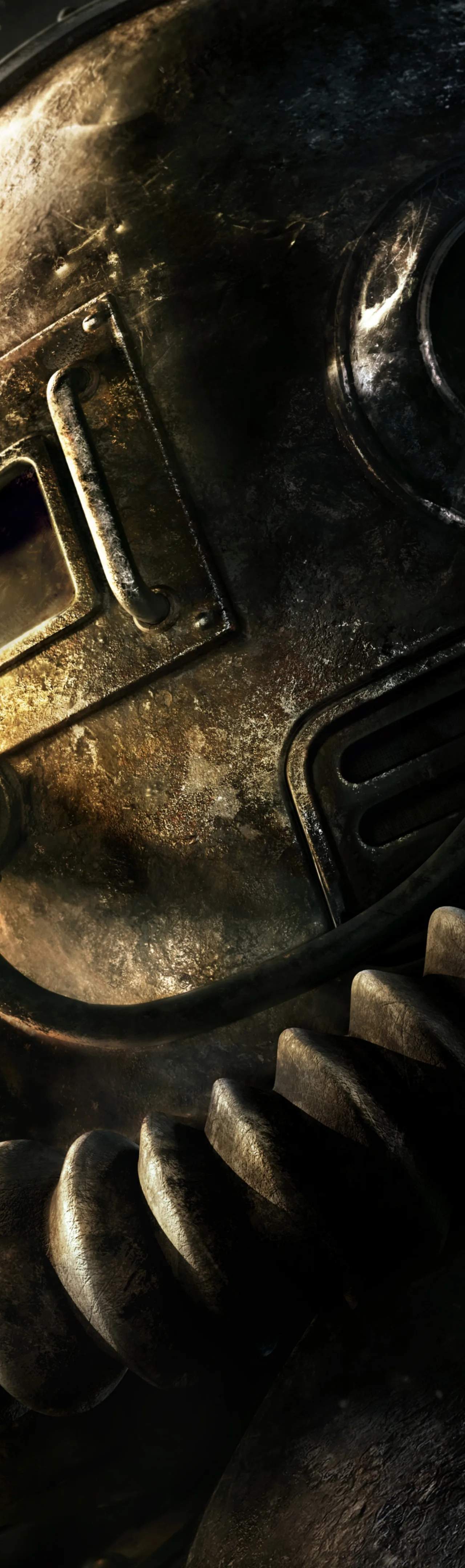
Weapons & Armor in Fallout 76
Weapons and armor are the cornerstones of survival in Fallout 76. From makeshift melee weapons to advanced energy rifles and resilient power armor, understanding the vast array of gear available is crucial for tackling the dangers of Appalachia and optimizing your character's build for any situation.
The wasteland is filled with a diverse arsenal of weapons and protective gear. Whether you prefer to engage enemies up close with a trusty pipe wrench or rain down destruction from afar with a plasma caster, there's a weapon for every playstyle. Similarly, armor and power armor provide essential defense against the myriad threats you'll encounter, from radiation and environmental hazards to the claws and bullets of mutated creatures and hostile humans.
Weapons:
Weapons in Fallout 76 are broadly categorized into Melee, Ranged (Ballistic and Energy), and Explosives. Each category has numerous sub-types, each with unique characteristics:
- Melee Weapons: Include one-handed (e.g., Combat Knife, Machete), two-handed (e.g., Super Sledge, War Hammer), and unarmed (e.g., Power Fist, Deathclaw Gauntlet). These are excellent for conserving ammo but require close-quarters combat.
- Ballistic Ranged Weapons: Utilize ammunition like .308, .45, or 5.56. This category includes Pistols (e.g., 10mm Pistol), Rifles (e.g., Combat Rifle, Handmade Rifle), Shotguns (e.g., Combat Shotgun, Pump-Action Shotgun), and Heavy Weapons (e.g., Minigun, Gatling Gun).
- Energy Ranged Weapons: Use energy cells or fusion cores. Examples include Laser Rifles, Plasma Rifles, Gatling Lasers, and the iconic Flamer. These often have unique damage types and effects.
- Explosives: Grenades, mines, and launchers like the Missile Launcher and Fat Man. These deal area-of-effect damage and are highly effective against groups.
Armor & Power Armor:
Armor provides damage and environmental resistance, while Power Armor offers superior protection and unique benefits:
- Regular Armor: Includes light, sturdy, and heavy variants of various armor sets (e.g., Leather, Metal, Combat Armor, Scout Armor, Secret Service Armor). These can be modded to enhance their protective qualities and add utility.
- Apparel: Non-protective clothing items that can be worn over armor or on their own for cosmetic purposes or to fulfill certain quest requirements.
- Power Armor: Full-body suits that provide sificant damage resistance, radiation resistance, and carry weight bonuses. Different sets exist, such as T-45, T-51b, T-60, Raider, Ultracite, and the high-tier Excavator and Secret Service Power Armor. Each piece can be modded and painted.
Legendary Effects:
The most sought-after items are legendary variants, which possess special affixes that grant powerful bonuses. These effects can sificantly alter a weapon's damage output, a piece of armor's defensive capabilities, or provide unique utility. Examples include 'Anti-Armor,' 'Bloodied,' 'Quad,' 'VATS Enhanced,' 'Regenerating,' and 'Powered.'
Crafting and Acquisition:
Weapons and armor can be acquired through looting enemies, completing quests, finding them in the world, purchasing from vendors, or by crafting them at Workbenches. Crafting requires specific plans and materials, allowing you to create and customize your gear to your liking.
Mastering the nuances of weapons and armor, including their damage types, resistances, legendary effects, and crafting options, is fundamental to succeeding in the challenging world of Fallout 76.