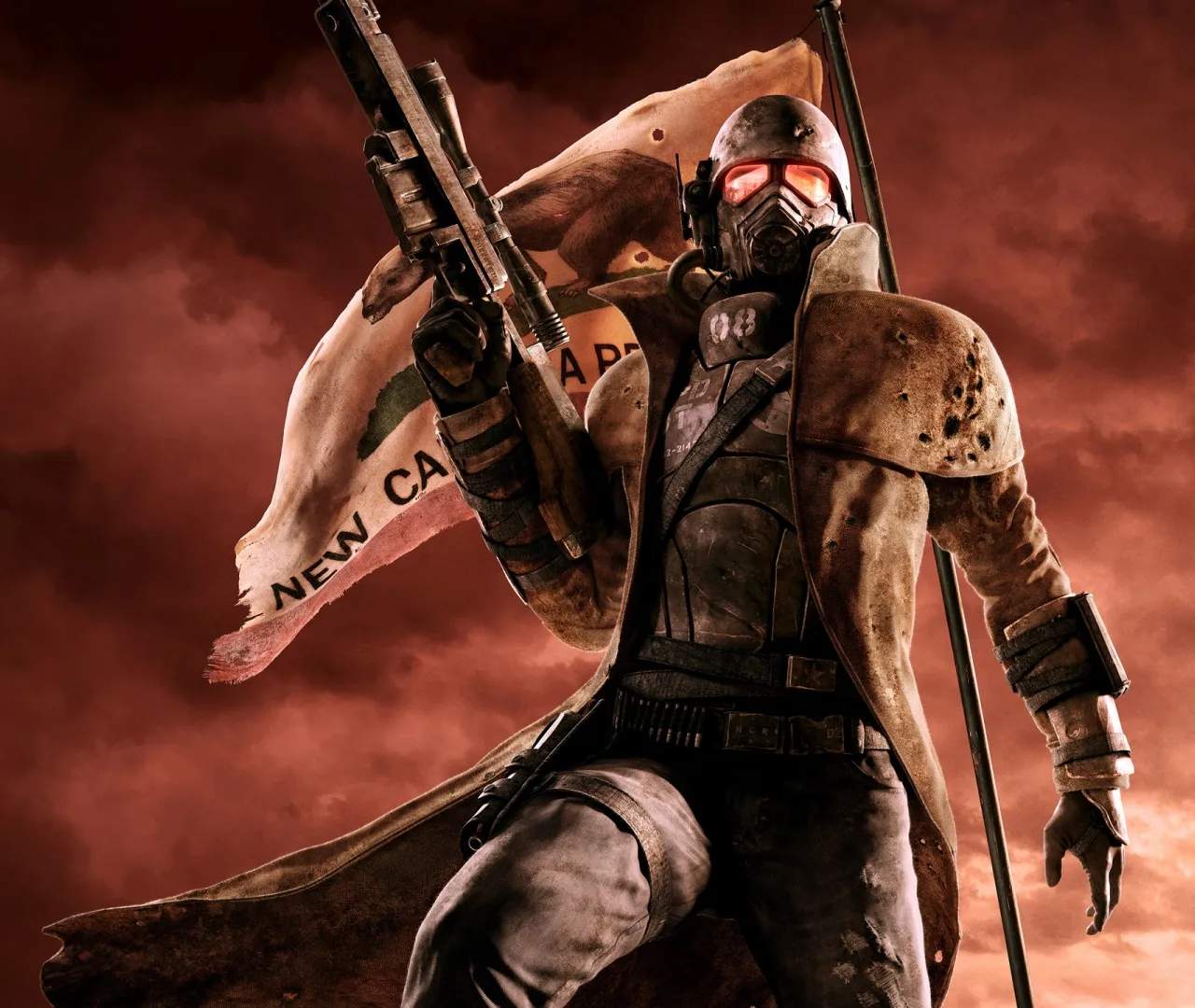
The Rise of Factions
The Mojave Wasteland is a land defined by conflict, a crucible where ideologies clash and power is seized through force and cunning. The rise of various factions in the centuries following the Great War has shaped the current geopolitical landscape, turning the region into a battleground for control. Understanding these factions is key to navigating the game's narrative and making impactful choices.
The Great War left a power vacuum, and in the ensuing chaos, new powers began to emerge. The remnants of pre-war America coalesced into various groups, each with their own vision for the future of humanity. In the Mojave, this struggle for dominance is most prominently represented by the New California Republic (NCR) and Caesar's Legion.
The New California Republic (NCR):
The NCR is the largest and most established democratic nation in post-war America. Originating from the Hub in California, it has grown into a sprawling republic with a vast military and a complex bureaucracy. The NCR's primary goal in the Mojave is to secure the Hoover Dam, a vital source of power and water, and to expand its territory and influence.
- Ideology: Democracy, law, order, and expansionism.
- Strengths: Large military, established infrastructure, advanced technology (compared to many wasteland factions).
- Weaknesses: Bureaucratic, often overstretched, can be seen as an occupying force by some.
Caesar's Legion:
A brutal, militaristic, and highly disciplined empire founded by Edward Sallow (Caesar). The Legion is a slave-owning society that models itself on ancient Rome. They are fiercely expansionist and view the NCR as a decadent and weak force that must be purged. Their ultimate goal is to conquer the entire West Coast and establish a new Roman Empire.
- Ideology: Totalitarianism, militarism, conquest, and a rigid social hierarchy.
- Strengths: Highly disciplined soldiers, effective melee combatants, unwavering loyalty to Caesar.
- Weaknesses: Technologically backward, brutal methods alienate many, reliance on slavery.
Mr. House and the New Vegas Strip:
Robert House, the pre-war CEO of RobCo Industries, survived the Great War in a state of suspended animation. Upon awakening, he seized control of the New Vegas Strip and has maintained its independence through technological prowess and shrewd business acumen. House represents a vision of a technologically advanced and ordered society, albeit one under his absolute, autocratic rule.
- Ideology: Pragmatic capitalism, technological advancement, and autocratic control.
- Strengths: Advanced technology (Securitron army), control of the Strip's economy, long-term strategic vision.
- Weaknesses: Relies heavily on technology, can be seen as detached from the common wasteland dweller.
Minor Factions and Independent Groups:
Beyond these major players, the Mojave is home to numerous smaller factions and independent groups, each with their own agendas:
- Brotherhood of Steel: A technologically advanced, isolationist military order focused on hoarding and controlling advanced weaponry.
- Followers of the Apocalypse: A humanitarian organization dedicated to preserving knowledge and providing aid to wastelanders.
- Great Khans: A tribal group with a history of drug production and a fierce independent streak.
- The Kings: A group in Freeside dedicated to preserving a semblance of order and style.
- Various Raider Gangs: Disorganized and violent groups like the Fiends and Powder Gangers who prey on travelers.
The interplay between these factions creates the complex political landscape of Fallout: New Vegas. Your choices will determine which faction ultimately triumphs, or if a new power will rise to shape the destiny of the Mojave. The game masterfully presents these competing interests, allowing players to al with, betray, or manipulate them to achieve their own goals.